
When I started hunting for the best gaming monitor 240Hz, I thought it would be simple: pick the fastest screen and call it a day. Instead, I fell into a rabbit hole of Reddit debates, pro-player arguments, panel lottery fears, and “this is too expensive” rants. After weeks of research, comparisons, and real-user insights, I finally understand what actually matters—and what’s just marketing noise.
Below is my clear, honest breakdown to help you avoid the same mistakes I nearly made.
Overview
Right now, the 240Hz gaming monitor space is dominated by ultra-fast OLED and high-refresh IPS displays. The current leaders blend extreme motion clarity, HDR performance, and near-zero response times.
- ASUS ROG Swift OLED PG27UCDM is widely considered the gold standard for 240Hz thanks to its QD-OLED panel, incredible contrast, and flawless motion.
- If you want a bigger, endgame-style display, the Alienware AW3225QF delivers stunning 4K visuals at 240Hz.
- Competitive players who care more about speed than resolution often lean toward the Alienware AW2725DF, which pushes refresh rates even higher.
- For gamers on a tighter budget, the Gigabyte M27Q-X is one of the most balanced 1440p IPS options that still hits 240Hz.
The market now focuses on OLED clarity, 1440p as the sweet spot, and lightning-fast response times—not just raw refresh rate.
Why 240Hz Still Matters for Competitive Gaming
I used to think 144Hz was “good enough.” Then I switched to 240Hz and instantly noticed:
- Faster reaction windows
- Clearer enemy movement
- Less motion blur in flick-heavy shooters
For FPS games like CS2, Valorant, Apex, or Warzone, 240Hz creates a smoother, more responsive feel that genuinely helps performance. It won’t turn you into a pro—but it will remove visual limitations.
What Reddit Taught Me (Real User Pain Points)
From the discussion, these problems kept coming up:
1. “I hate TN panels, but IPS looks washed.”
Many players want IPS for color, but complain about:
- Poor contrast
- Panel inconsistency
- Washed blacks compared to OLED
2. Price anxiety
A huge theme was:
“Not everyone has $800 for a monitor.”
Budget limits between $250–$400 were common, and many felt judged for not buying premium gear.
3. Panel lottery fear
Some monitors ship with different internal panels (Qisda vs AUO), causing performance variation. Buyers were worried they’d get a “worse” version.
4. Motion clarity > resolution
Veterans argued that DyAc, ULMB, or OLED response time matters more than raw pixels.
My Buying Criteria for a 240Hz Monitor
Here’s what I now look for:
Panel Type
- QD-OLED: Best contrast, fastest response, best HDR
- IPS: Brighter rooms, cheaper, good color
- TN: Still used by pros, but poor viewing angles
Resolution
- 1080p: Max FPS, esports-focused
- 1440p: Best balance of clarity + speed
- 4K: Visual immersion, needs a powerful GPU
Motion Handling
Look for low response time, VRR, and blur reduction. Motion clarity beats raw resolution in competitive games.
Best 240Hz Gaming Monitors (2026 Picks)
Best Overall
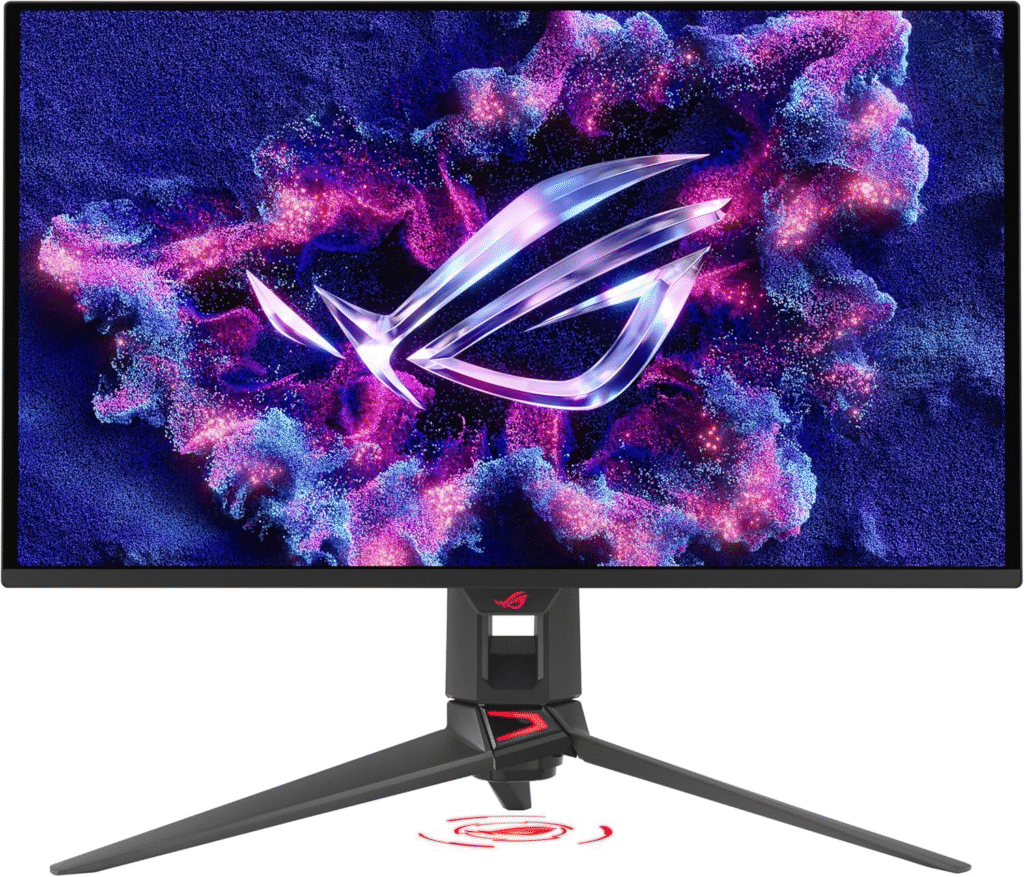
If money wasn’t an issue, this is what I’d buy. The contrast, colors, and near-instant response make it perfect for both competitive and cinematic gaming.
Best 32-Inch 4K
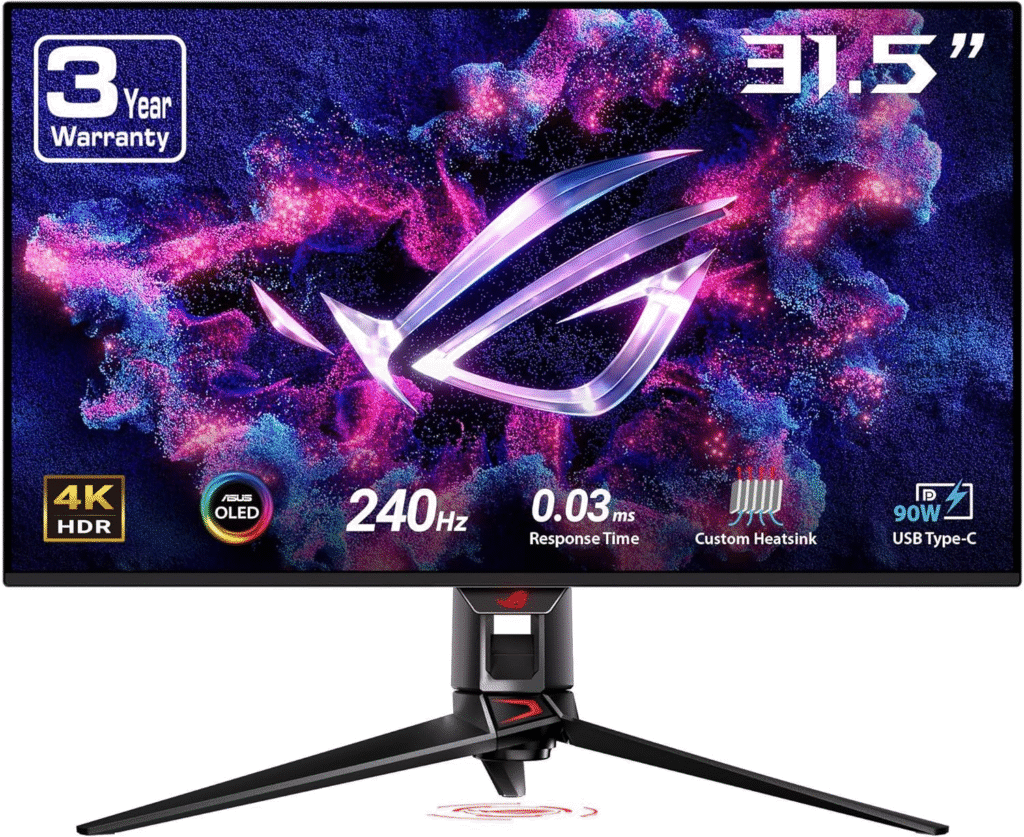
This is an endgame display—huge, curved, OLED, and insanely sharp. Perfect if you want immersion and speed.
Best Competitive 240Hz+
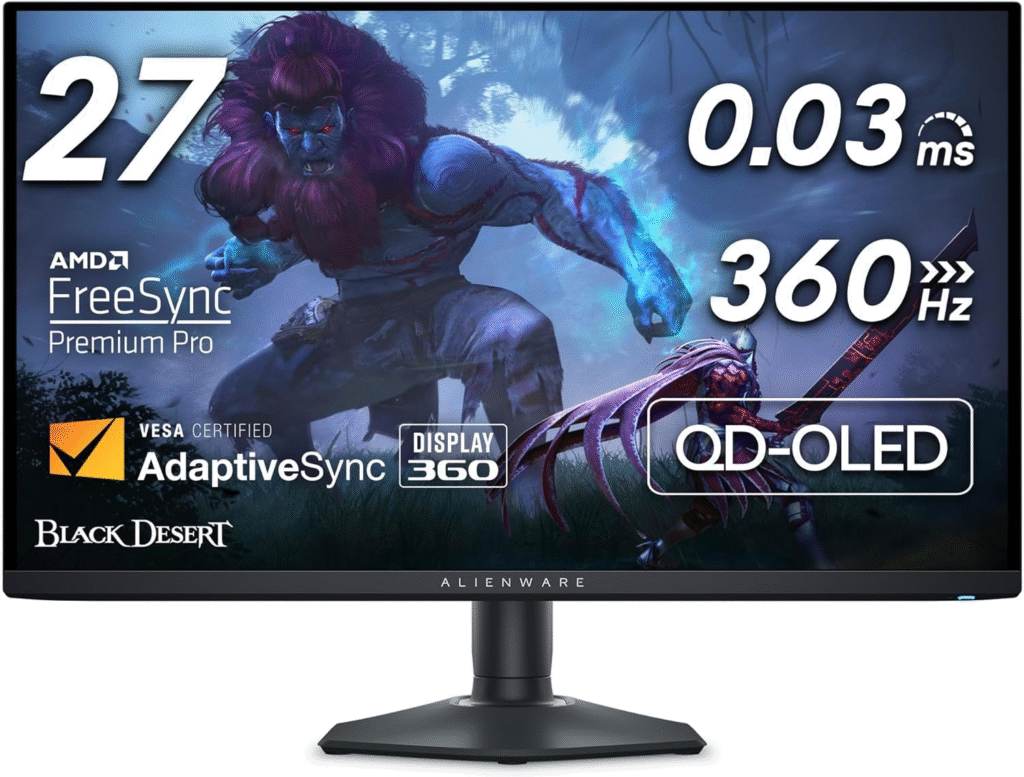
Designed for esports-style gameplay, this one prioritizes refresh rate and responsiveness over visuals.
Best Budget 1440p 240Hz
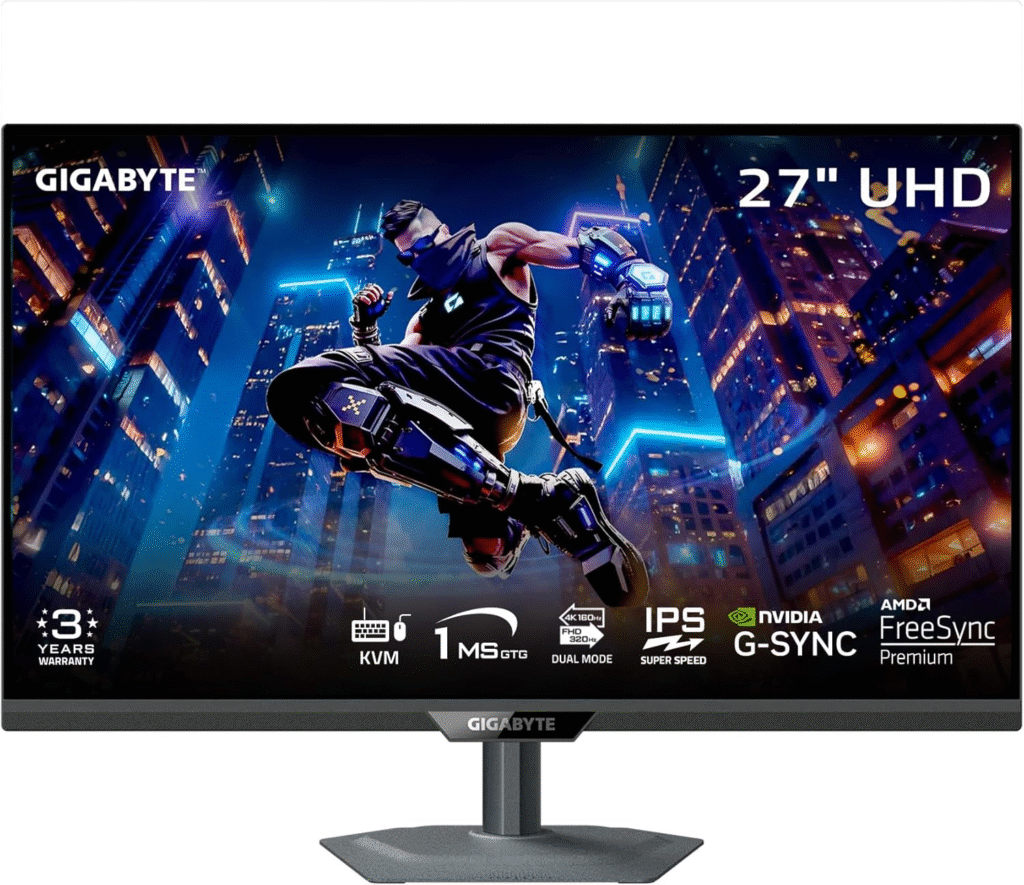
If you’re on a budget but want 1440p and 240Hz, this is one of the safest choices.
Best 1080p Competitive Option
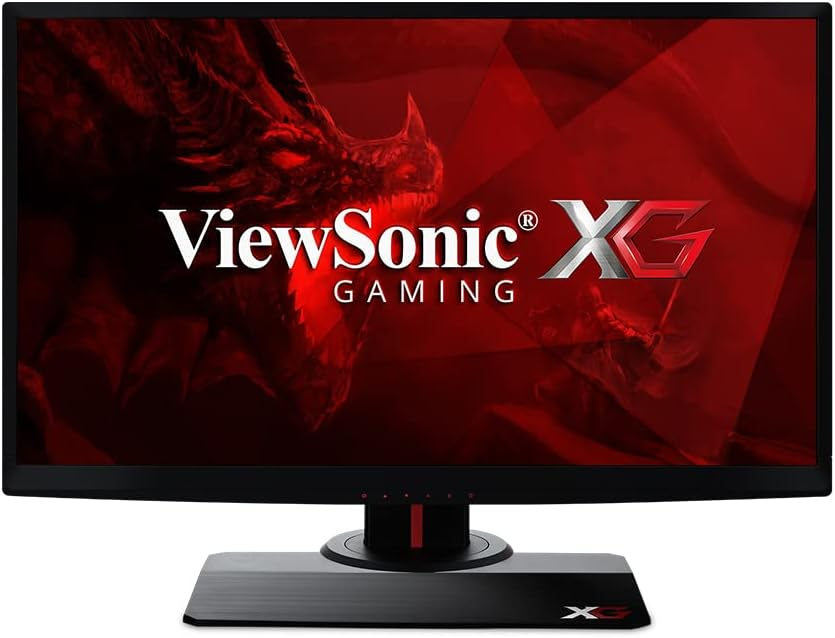
A reliable choice for pure FPS players who want speed without spending premium money.
IPS vs OLED vs TN – What I’d Choose
- OLED if you want the best overall experience
- IPS if you’re budget-conscious
- TN only if you care about motion blur more than visuals
After trying all three, I personally wouldn’t go back to TN.
Amazon Affiliate Disclaimer
Some of the links in this article may be affiliate links. This means I may earn a small commission at no extra cost to you if you purchase through them. I only recommend products I genuinely believe provide value.
Final Thoughts
If I had $400, I’d grab a strong IPS 240Hz.
If I had $800+, I’d go OLED and never look back.
240Hz isn’t just a number—it’s a competitive edge when paired with the right panel, resolution, and motion clarity.
FAQs
Is 240Hz better than 144Hz for gaming?
Yes, especially for fast-paced shooters. The difference is noticeable in smoothness and reaction time.
Is 1080p still good in 2026?
For esports, yes. For mixed gaming, 1440p is the sweet spot.
Does a better monitor make you a better player?
It removes limitations—but skill still matters more.
Is OLED worth it for competitive gaming?
Absolutely. The response time and contrast are unmatched.