
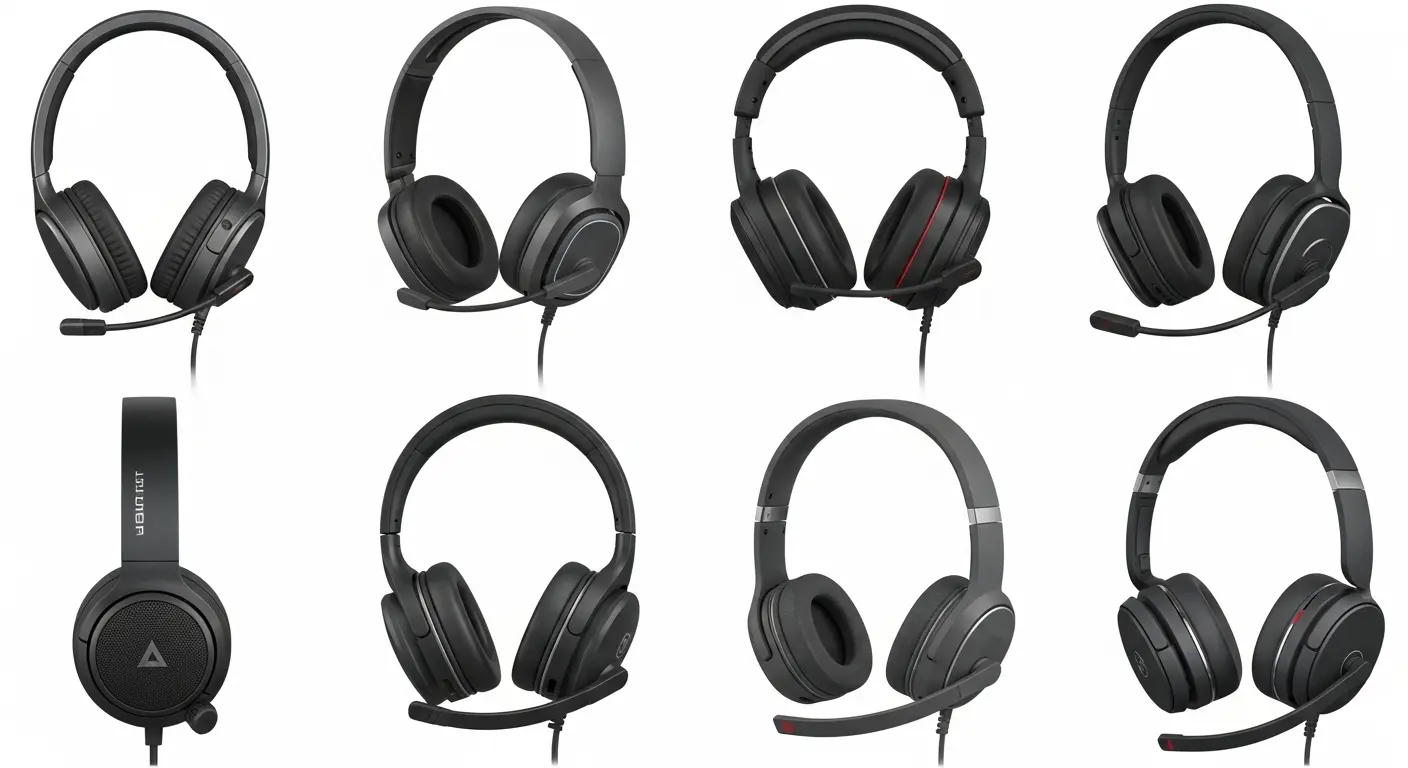
When I first started researching communication headsets for construction crews, I realized most advice ignores one critical truth: a noisy jobsite can hit 90–100 dB fast, and without the right headset, you’re risking both miscommunication and long-term hearing damage.
Clear, reliable communication keeps crews safe and productive. But the wrong headset? It leads to missed instructions, repeated shouting, and fatigue by mid-shift.
Here’s what matters most: the best construction headsets combine a high Noise Reduction Rating (NRR), strong durability (IP-rated for dust and water), stable wireless communication, and all-day comfort under a hard hat.
Top-rated options across the industry include:
- ISOtunes Xtra 2.0 (27+ dB NRR, ANSI-certified)
- Plugfones FreeReign / Industrial (comfortable hybrid plug design)
- 3M WorkTunes Connect (over-ear protection with Bluetooth)
- Shokz OpenRun (bone conduction for situational awareness)
- SYNCO Xtalk XPro (500m range for crew communication)
If you’re choosing a headset for construction work, aim for 25+ dB NRR, an IP55+ rating, secure fit (earhooks or neckband), and OSHA-compliant hearing protection.
Now let me walk you through what actually works on real jobsites.
4 Best Headsets for Construction Workers
SYNCO Xtalk XMax
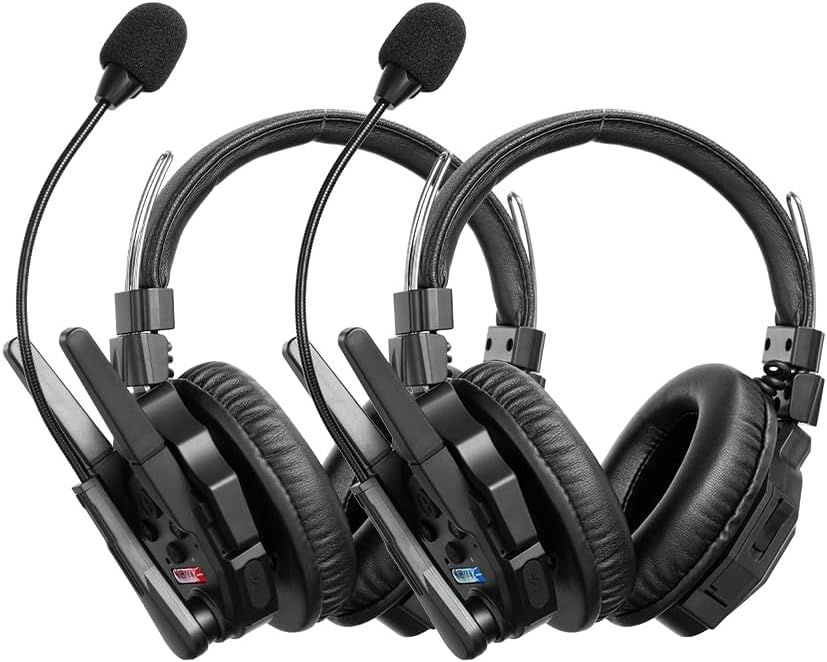
If you’re working around heavy machinery or demolition zones, this dual-ear design offers serious isolation.
It uses dual microphones with environmental noise cancellation and supports full-duplex communication. That means no push-to-talk delays, crews can speak naturally.
With a wireless range of up to 500 meters and support for large teams, it’s ideal for framing crews, equipment operators, and site managers coordinating across distance.
What I like
- Strong noise isolation for high-decibel zones
- Long battery life (up to 24 hours)
- Works for communication and Bluetooth calls
Potential downside
- Dual-ear cups may feel warm in hot climates
Best for: Heavy equipment operators and demolition crews
SYNCO Xtalk S – Best Lightweight Bluetooth Option
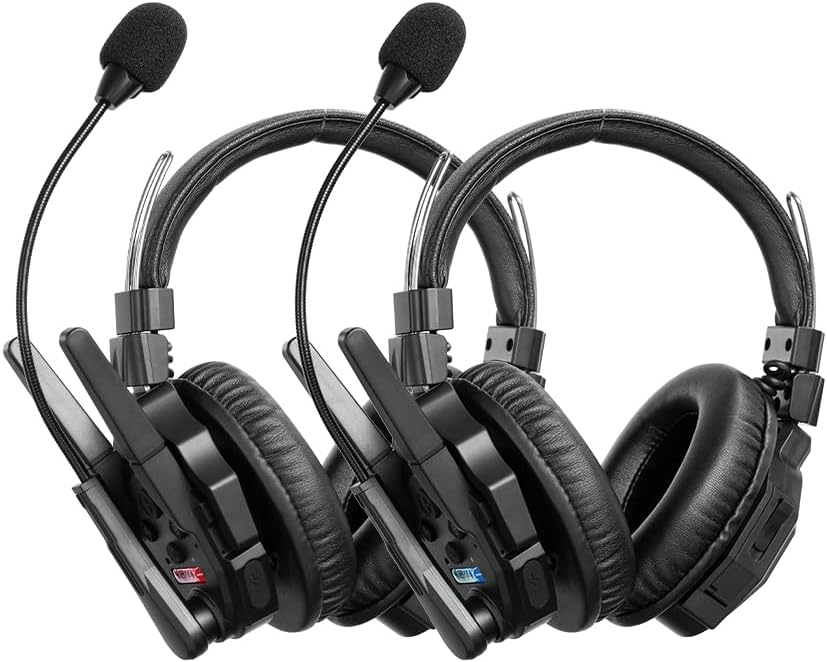
If you prefer a low-profile setup under a helmet, this neckband-style headset is much lighter.
The in-ear design provides passive isolation while AI-based voice filtering keeps conversations clear. It supports small teams and short-range site communication.
What I like
- Lightweight and helmet-friendly
- Bluetooth connectivity for calls
- Comfortable for electricians and inspectors
Limitations
- Battery lasts around 10 hours
- Not ideal for extremely loud environments
Best for: Light-duty construction, inspection teams, and electricians.
SYNCO Xtalk XPro – Best for Large Jobsites
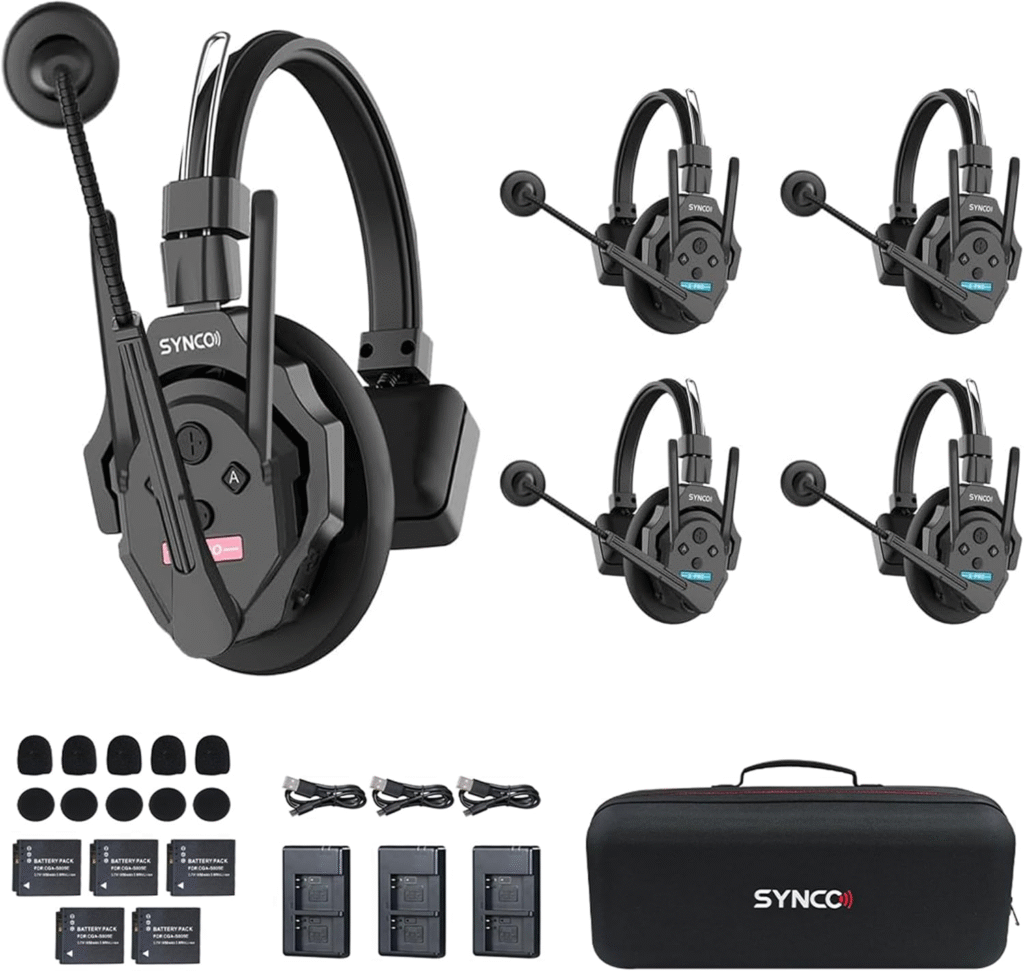
For bigger commercial builds or multi-floor projects, range becomes critical.
This model delivers up to 500 meters of communication range and supports large crews. The signal stability performs well in open and multi-level environments.
It also offers environmental noise cancellation for clear speech near power tools and mixers.
What I like
- Stable long-range communication
- 24-hour battery
- Hands-free full-duplex system
Consider
- Single-ear design provides less passive isolation
Best for: Supervisors and large team coordination.
SYNCO Xtalk Master – Best for Complex Crew Coordination
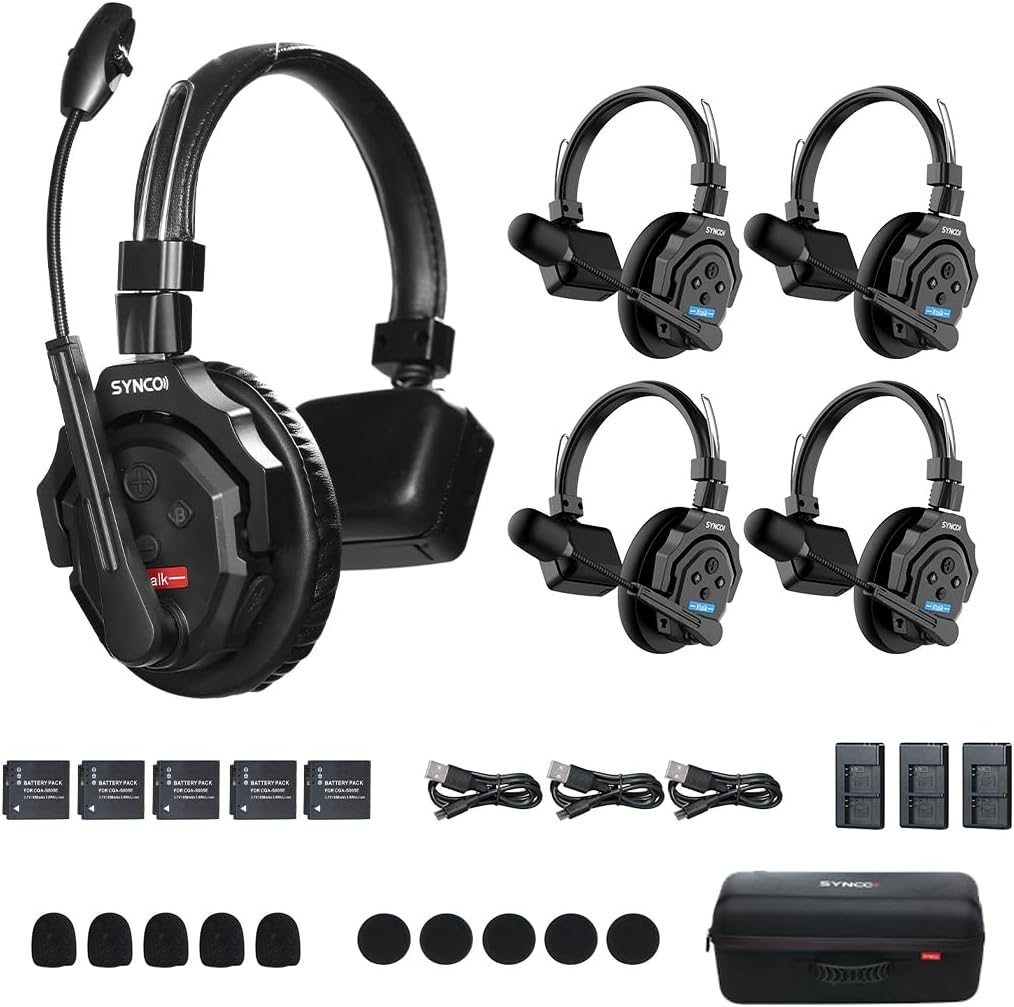
On complex sites with multiple teams, flexibility matters.
This model allows direct headset pairing and app-based private or group communication. Supervisors can send announcements or speak one-on-one without disrupting the entire crew.
What I like
- Flexible team communication setup
- Clear audio filtering in noisy environments
- Ideal for foremen managing multiple crews
Downside
- Higher price point
Best for: Site managers and multi-team projects.
How I Evaluate the Best Headsets for Construction Workers
Before recommending any model, I focus on what truly impacts safety and workflow:
Noise Reduction & Hearing Protection
Construction equipment like jackhammers, concrete saws, and excavators can exceed 95 dB. I look for:
- NRR of at least 25 dB
- ANSI-certified protection
- Passive earmuff sealing or secure in-ear isolation
Active noise cancellation (ANC/ENC) helps with voice clarity — but NRR is what protects your hearing.
Communication Stability
For large or multi-level sites, range matters. Reliable wireless systems should:
- Maintain clear audio across open areas
- Support multi-user communication
- Offer full-duplex (talk and listen simultaneously)
Battery Life
A headset dying mid-shift is useless. I prioritize:
- 15–24+ hour battery life
- Fast charging capability
- Replaceable or long-life battery options
Durability & IP Rating
Construction environments demand toughness. Look for:
- IP55 or higher (dust & water resistance)
- Impact-resistant design
- Reinforced hinges or flexible frames
Comfort & Hard Hat Compatibility
You’ll wear it for 8–12 hours. It must:
- Fit under helmets
- Stay secure during movement
- Avoid pressure points
Which Headset Is Right for You?
Here’s how I recommend choosing:
- Working near heavy machinery? → Go with dual-ear high-isolation models.
- Need lightweight comfort under a helmet? → Choose a neckband or in-ear design.
- Managing a large crew across distance? → Prioritize 500m+ communication range.
- Running complex operations? → Look for private/group communication features.
Key Buying Considerations
What NRR Do You Need?
Aim for 25 dB or higher for most construction environments. Higher ratings are better for demolition or heavy equipment zones.
Why IP Rating Matters
Choose IP55 or above to resist sweat, dust, and rain exposure.
OSHA Compliance
For workplace safety, always confirm the headset meets hearing protection standards where required.
Frequently Asked Questions
1. What NRR rating is best for construction workers?
Most jobsites require at least 25 dB NRR. Extremely loud environments may require 30 dB or higher combined protection.
2. Are Bluetooth headphones safe for construction sites?
Yes — if they offer certified hearing protection and do not block important safety alerts. OSHA-compliant models are recommended.
3. Should I choose over-ear or in-ear protection?
Over-ear provides stronger isolation for loud machinery. In-ear is lighter and better for mobility and comfort.
4. Can communication headsets replace walkie-talkies?
Many full-duplex systems eliminate the need for handheld radios, especially for small-to-medium crews.
Final Thoughts
In my experience, the best headset for construction workers isn’t just about comfort — it’s about protecting your hearing while improving communication efficiency.
Choose a model that matches your noise level, crew size, and shift length. Prioritize certified hearing protection, durability, and stable connectivity. When you invest in the right headset, you’re investing in long-term safety and productivity.
Amazon Affiliate Disclaimer
As an Amazon Associate, I earn from qualifying purchases. This means I may receive a small commission if you buy through my links, at no extra cost to you. I only recommend products I believe provide real value for construction professionals.