
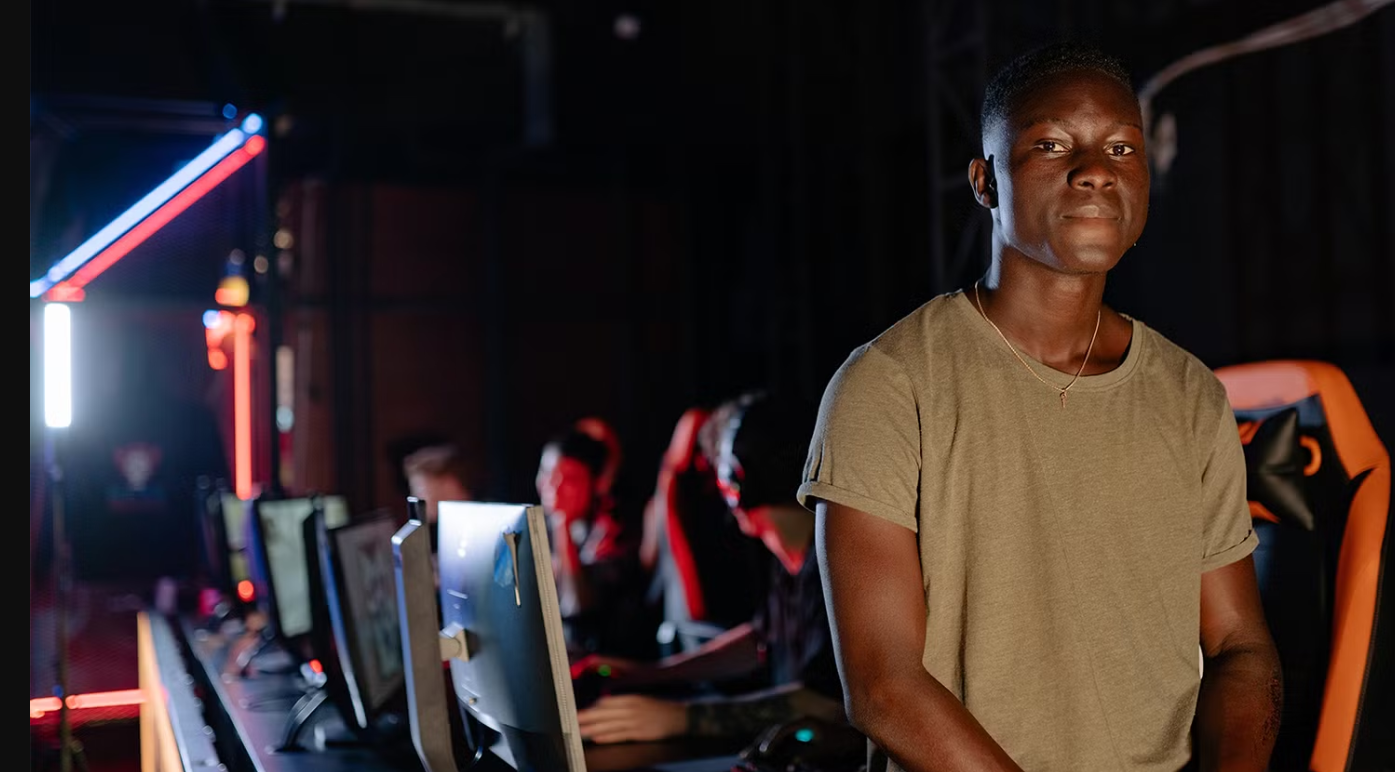
I used to think getting better at competitive gaming meant simply playing more matches. The deeper I looked into how elite players actually train, the more I realized their routines resemble those of Pro Gamers far more than casual gamers. Their days revolve around structured practice, recovery, health, and constant improvement.
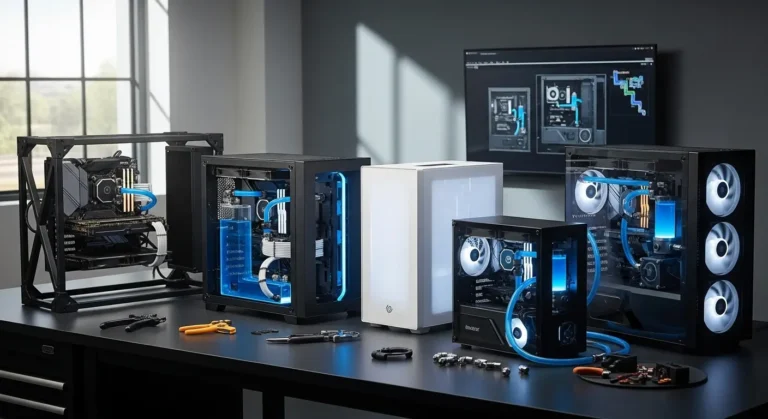
Quick tech insight before we dive in: modern high-performance gaming setups increasingly rely on advanced cooling. In 2026, liquid cooling has become mainstream for high-power PCs thanks to better thermal efficiency, lower noise, and improved sustained performance. High-end gaming and streaming rigs often use AIO liquid coolers, while air cooling still makes sense for budget builds and simple maintenance. Innovations in cooling tech continue to make systems quieter, smarter, and easier to install, especially for overclocking and heavy workloads.
In this guide, I’ll break down how pro gamers really train, what their daily routines look like, and what you can realistically apply to improve your own performance.
How Many Hours Per Day Do Pro Gamers Train?
One of the biggest questions I hear is simple: how long do pros actually practice?
The answer is intense. Competitive players often treat gaming like a full-time job, or more. Before turning professional, Robin ‘ropz’ Kool reportedly played around 10 matches daily while still in school. That level of dedication prepared him for the reality of professional play, where 6–8 hours of structured practice per day is standard, and 10–14 hours isn’t unusual during peak training periods.
This isn’t recommended for most players, but it shows how demanding elite competition has become.
How Often Do Pro Gamers Train?
Professional teams usually practice six or seven days per week. The mindset is simple: if you aren’t improving, your opponents are.
However, the esports industry is evolving. Many organizations now hire fitness trainers, mental coaches, and health specialists to prevent burnout and extend players’ careers.
A Day in the Life of a Pro Gamer
To understand real routines, let’s look at Lee Sang-hyeok (Faker), one of the most famous competitive players in the world.
A typical day might look like this:
- Late morning wake-up and breakfast
- Warm-up solo queue session
- Team scrims with SK Telecom T1
- Midday break for meals, errands, and therapy
- Evening scrims and strategy sessions
- Nighttime solo practice and streaming
- Stretching and sleep around 4 a.m.
Schedules vary, but structured practice blocks and teamwork are consistent across esports.
The Three Main Pro Gamer Training Methods (You Can Use Too)
Macro Skills (Strategy)
Pros constantly review match recordings, analyze opponents, and work with coaches to refine decision-making. Even without a coach, I can record my matches and study mistakes to improve strategy.
Micro Skills (Mechanics)
Reaction time, aim, movement, and precision are trained daily. Many players use aim trainers and practice drills before playing competitive matches.
But the biggest improvement still comes from consistent gameplay.
Mindset
Pressure in tournaments can be overwhelming. Meditation, team bonding, and exercise help pros stay focused, calm, and resilient.
The Importance of Working Out for Pro Gamers
The stereotype of inactive gamers is fading fast. Many esports teams now train physically like traditional athletes. High-Intensity Interval Training (HIIT) and strength workouts help players stay energized and focused during long competition days.
Why Exercise Helps the Mind
- Reduces stress
- Improves focus and endurance
- Boosts mood and mental clarity
Why Exercise Helps the Body
Long hours at a desk can lead to pain and injuries. Exercise improves:
- Blood circulation
- Flexibility
- Posture
- Long-term career longevity
What Do Pro Gamers Do in Their Downtime?
Free time is limited, but recovery is essential. Players often:
- Sleep or relax
- Watch shows or read
- Spend time with teammates
- Enjoy light hobbies or outdoor activities
Recovery helps maintain performance over long seasons.
The Eating Habits of Pro Gamers
Nutrition plays a huge role in performance. Some teams even employ chefs.
For example, Johan ‘N0tail’ Sundstein avoids heavy meals before matches, while Seth ‘Crimsix’ Abner follows a strict diet due to medical needs.
While diets vary, balanced meals and hydration are essential for energy and focus.
Common Sleep Patterns of Pro Gamers
Sleep is often sacrificed—but it shouldn’t be. Faker has publicly emphasized the importance of at least eight hours of sleep for peak performance.
Scientific research strongly supports the connection between sleep, reaction time, and decision-making.
What Do Pro Gamers Do for Fun?
Training facilities often include:
- Ping-pong tables
- Streaming rooms
- Relaxation spaces
- Entertainment areas
Players balance intense practice with entertainment and social time.
Everything You Need to Know About Pro Gamer Training Facilities
Modern esports facilities rival traditional sports complexes. The Verizon 5G Gaming Center is a great example, featuring:
- Practice rooms
- Streaming studios
- Meeting spaces
- Recreation areas
- Gyms and recovery spaces
These environments help players train efficiently and stay connected with fans.
Can a Regular Gamer Train Like a Pro?
Most players can’t dedicate 10+ hours daily—and that’s okay.
What I’ve learned from pro routines:
- Consistent practice matters more than marathon sessions
- Physical health impacts gaming performance
- Sleep and mindset are competitive advantages
- Smart practice beats endless grinding
Even small changes can lead to noticeable improvement.
Amazon Affiliate Disclaimer
As an Amazon Associate, I earn from qualifying purchases. This means I may receive a small commission if you buy through my links, at no extra cost to you. I only recommend products I believe add real value to gamers.
FAQs
Is liquid cooling safe in 2026?
Yes, liquid cooling is generally safe when installed correctly. Modern All-in-One (AIO) and custom loops are designed with leak-proof seals and durable tubing. As long as you follow installation instructions and maintain the system, risks are minimal. Many gamers and high-performance PC builders now trust liquid cooling for both safety and efficiency.
What is the future of liquid cooling?
Liquid cooling is becoming increasingly essential in both consumer and data-center environments. By 2026, most high-end AI servers and gaming rigs are expected to rely on liquid cooling due to its superior thermal performance, efficiency, and noise reduction. Innovations will make it easier to install, smarter, and more energy-efficient.
Is liquid cooling still worth it?
Absolutely. If you run high-TDP CPUs or GPUs, overclock, or want a quieter, more aesthetically pleasing system, liquid cooling is worth the investment. It provides better temperature management and performance under sustained heavy loads than most air cooling options.
How many years does liquid cooling last?
A quality AIO liquid cooler can last 5–7 years with proper care, while custom loops can last even longer if you replace the coolant periodically and maintain the components. Reliability depends on build quality and maintenance.
What is better than liquid cooling?
For most high-end use, nothing beats well-designed liquid cooling for thermal efficiency and silence. However, for budget builds or simple maintenance, high-end air coolers can sometimes provide comparable performance without risk of leaks or complicated setup
Does AI use liquid cooling?
Yes! AI servers and high-density computing systems increasingly use liquid cooling, including immersion cooling, to manage extreme thermal loads. This allows AI hardware to run efficiently and reliably under sustained heavy workloads.
How many hours should I practice gaming daily?
For improvement, 1–3 focused hours of deliberate practice is effective for most players.
Do pro gamers use aim trainers?
Yes. Many pros use aim training tools alongside real matches to sharpen mechanics.
Increasingly, yes. Fitness helps reduce fatigue, stress, and injury risk.
Increasingly, yes. Fitness helps reduce fatigue, stress, and injury risk.
Can I become a pro gamer without training full time?
It’s possible, but consistent practice, structured improvement, and competitive experience are essential.