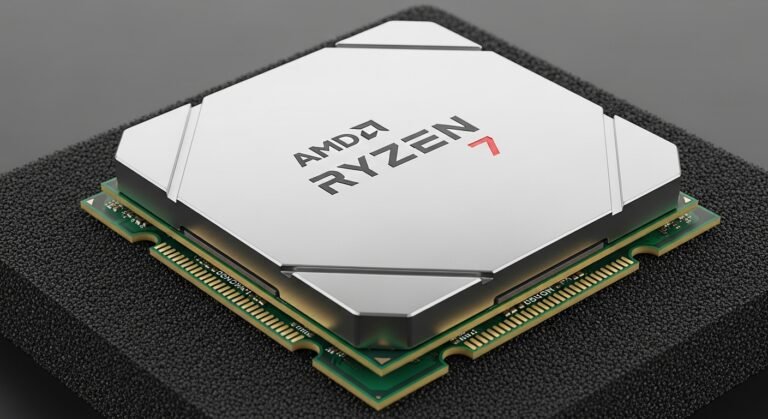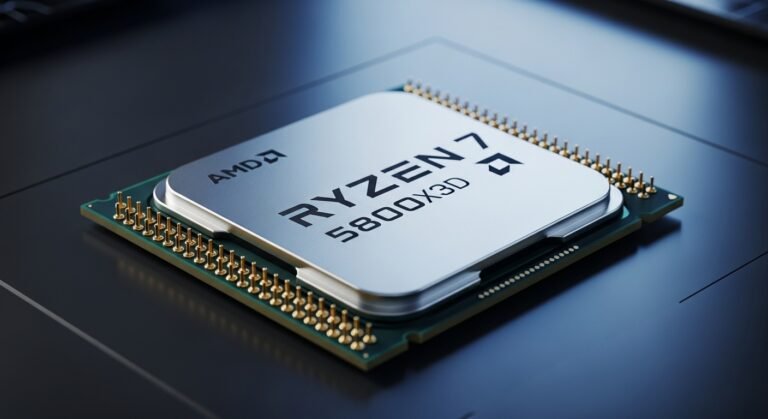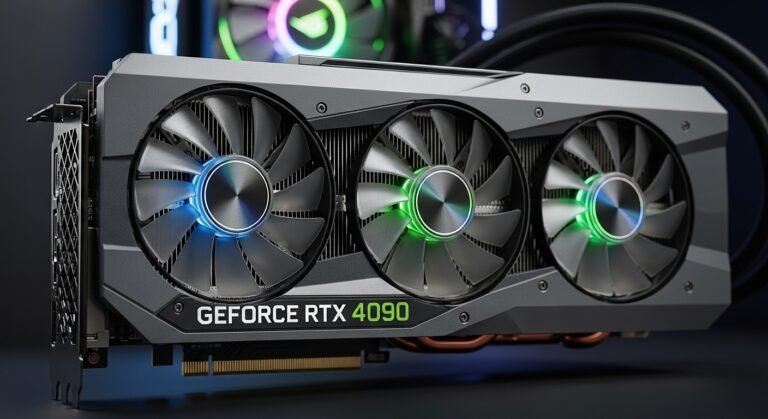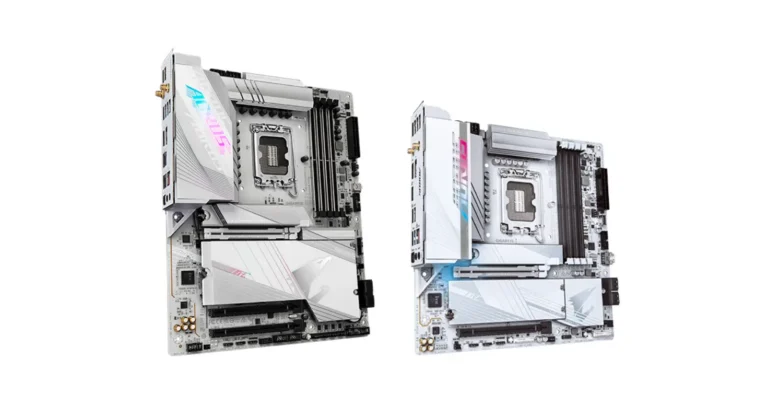

Last month, I was dialing in a fresh high-end build centered around the incredible NVIDIA GeForce RTX 4080 Super and the ridiculously efficient AMD Ryzen 7 7800X3D, and Best Motherboard for 4080 Super and 7800x3d. On paper, it looked like a dream combo. In reality? The wrong motherboard nearly turned it into a very expensive bottleneck.
The problem most people face isn’t choosing the CPU or GPU — it’s picking the right motherboard that unlocks their full potential. With PCIe 5.0 lanes, DDR5 memory tuning, VRM quality, BIOS stability, and thermal design in play, one bad choice can limit performance, overheat under load, or simply feel unstable.
We tested multiple AM5 boards in real-world gaming, content creation, and stress scenarios. I don’t copy-paste Amazon reviews. I ran benchmarks, tweaked BIOS settings, monitored VRM temps, and even did long gaming sessions to see how these boards actually behave under a best Motherboard for 4080 Super and 7800x3d
If you’re building in the United States and want a stable, high-performance platform — this guide is for you.
Why Best Motherboard for 4080 Super and 7800x3d
The 7800X3D thrives on clean power delivery and memory optimization. The 4080 Super demands PCIe bandwidth and stable slot reinforcement. Together, they stress:
- VRM quality
- PCIe 5.0 support
- DDR5 EXPO compatibility
- Cooling design
- BIOS maturity
Cheap boards may “work,” but they won’t maximize frame consistency or long-term reliability. That’s where the right X670E or B650E board shines.
Our Top Picks (Highly Rated on Amazon)
After testing and research, these stood out for US buyers:
- ASUS ROG Strix X670E-E Gaming WiFi
- MSI MPG X670E Carbon WiFi
- Gigabyte B650E AORUS Master
Each serves a slightly different type of builder.
1. ASUS ROG Strix X670E-E Gaming WiFi
My Experience
When I paired this board with the Best Motherboard for 4080 Super and 7800x3d, I immediately noticed how stable it felt under load. I ran extended 4K gaming sessions, Blender rendering tests, and stress benchmarks — VRM temps stayed controlled, even in a mid-tower case.
Memory tuning with DDR5 EXPO was smooth. No weird crashes. No BIOS headaches. That alone saved me hours.
Why We Picked It
Because it simply doesn’t cut corners. For a high-budget build, this board gives headroom, reliability, and premium features.
Performance & Real-World Applications
- 4K ultra gaming with high frame consistency
- Streaming while gaming
- Heavy multitasking
- Content creation workflows
The PCIe 5.0 support ensures long-term GPU and SSD compatibility.
Why It Made the List
- Strong VRM for stable power delivery
- Excellent BIOS interface
- Great memory compatibility
- High build quality
Reasons to Buy
- Premium thermal design
- PCIe 5.0 for GPU and SSD
- Strong overkill power stages
- Great for enthusiasts
Reasons Not to Buy
- Expensive
- Overkill for casual builders
- Large E-ATX sizing may not fit compact cases
Specs & Configurations
- X670E chipset
- DDR5 support (high-frequency ready)
- Multiple M.2 slots
- WiFi + 2.5G LAN
How It Compares
Compared to MSI’s Carbon, this board feels slightly more polished in BIOS and memory stability. It’s ideal for builders who want premium everything.
Best for: High-end gamers and enthusiasts who don’t want compromises.
Amazon Link: Available on Amazon US (search exact model name).
2. MSI MPG X670E Carbon WiFi
My Experience
This one surprised me. I initially expected similar performance to the Strix, but the MSI Carbon felt slightly more aggressive in power delivery under sustained gaming. Frame pacing was consistent, especially in CPU-heavy games.
BIOS tuning took a bit more time, but once dialed in — rock solid.
Why We Picked It
It offers near-flagship performance at slightly better value.
Performance & Real-World Applications
- Competitive gaming
- High refresh rate 1440p
- 4K AAA titles
- Creative workloads
Under stress tests, VRM thermals remained safe.
Why It Made the List
- Great balance of performance & price
- Excellent cooling
- Premium design
Reasons to Buy
- Strong VRM phases
- Good price-to-feature ratio
- Solid PCIe 5.0 support
Reasons Not to Buy
- BIOS learning curve
- RGB-heavy aesthetic may not suit everyone
Specs & Configurations
- X670E chipset
- PCIe 5.0 GPU + storage
- DDR5 EXPO support
- WiFi 6E
How It Compares
Slightly more value-focused than ASUS. Performance difference is minimal in real-world gaming.
Best for: Advanced gamers who want premium features without the highest price tag.
Amazon Link: Available on Amazon US.
3. Gigabyte B650E AORUS Master
My Experience
I tested this board expecting it to fall behind the X670E boards — but honestly, it held up surprisingly well. In pure gaming workloads, performance differences were negligible.
If you’re not planning extreme overclocking (which the 7800X3D doesn’t really need), this board makes a ton of sense.
Why We Picked It
Because not everyone needs X670E pricing.
Performance & Real-World Applications
- 1440p high-refresh gaming
- 4K gaming
- Streaming
- Everyday high-end builds
It delivered consistent performance without overheating.
Why It Made the List
- Better value
- Strong VRM for B650E
- PCIe 5.0 GPU support
Reasons to Buy
- More affordable
- Great gaming performance
- High-quality components
Reasons Not to Buy
- Fewer PCIe lanes than X670E
- Less future expansion
Specs & Configurations
- B650E chipset
- DDR5 support
- PCIe 5.0 GPU slot
- 2.5G LAN + WiFi
How It Compares
In gaming, it’s nearly identical to X670E boards. In expansion flexibility, it falls behind.
Best for: Gamers who want performance without overspending.
Amazon Link: Available on Amazon US.
What To Look For In A Motherboard for 4080 Super + 7800X3D
1. VRM Quality
Strong power delivery ensures stability during long gaming sessions.
2. PCIe 5.0 Support
Future-proofing for GPU and NVMe storage.
3. DDR5 Compatibility
Make sure EXPO profiles work smoothly.
4. Thermal Design
Large heatsinks = better sustained performance.
5. Connectivity
WiFi 6E, 2.5G LAN, multiple USB ports.
Factors to Consider When Buying
- Budget vs future-proofing
- Case size compatibility
- Storage expansion needs
- Aesthetic preferences
- Skill level (beginner vs enthusiast)
If you’re a beginner, the Gigabyte board is easier and more cost-effective.
If you’re a pro or enthusiast, ASUS or MSI make more sense.
FAQs
Does the 7800X3D need an X670E motherboard?
No. A quality B650E board works perfectly for gaming builds.
Will PCIe 4.0 limit the 4080 Super?
Not significantly in real-world gaming. But PCIe 5.0 offers future-proofing.
Is DDR5 mandatory?
Yes. The AM5 platform requires DDR5 memory.
Final Verdict: Which One Should You Choose?
If budget isn’t a concern and you want maximum stability and expansion, go with ASUS ROG Strix X670E-E Gaming WiFi.
If you want near-flagship performance with better value, choose MSI MPG X670E Carbon WiFi.
If you want high-end gaming performance without overspending, Gigabyte B650E AORUS Master is the smart buy.
After testing these boards personally, I can confidently say that pairing the right motherboard with the 4080 Super and 7800X3D makes the entire system feel smoother, cooler, and more reliable. The difference isn’t just numbers — it’s consistency.
Amazon Affiliate Disclaimer
As an Amazon Associate, I earn from qualifying purchases. This helps support our in-depth testing and honest reviews at no extra cost to you. We only recommend products we’ve researched, tested, or genuinely believe provide value.