
The last time my screen froze mid-match, I didn’t rage at my teammate, I stared at the tiny blinking lights on my modem.
A few weeks ago, during what should’ve been an easy ranked win, my ping spiked from 18ms to 240ms in seconds. Voice chat turned robotic. My character rubber-banded across the map. And just like that, hours of progress were gone. If you’ve ever felt that gut-punch of lag at the worst possible moment, you know exactly what I mean.
Here’s the thing: we obsess over gaming PCs, graphics cards, monitors, even RGB keyboards, but we forget about the silent hero (or villain) sitting next to our router: the modem.
If you’re searching for the best modem for gaming, you’re probably dealing with one of these headaches:
- Random latency spikes
- Packet loss during peak hours
- Outdated ISP-provided modem
- Slow download speeds despite paying for “gigabit” internet
I’ve been there. And after testing a few models, talking to my ISP, and diving into specs I once ignored, I realized something important:
A good gaming modem won’t magically lower your ping to 0ms, but the wrong modem can absolutely ruin your connection.
In this guide, I’ll walk you through the best modems for gaming right now, break down what actually matters (without drowning you in tech jargon), and help you pick the right one for your setup. Whether you’re on cable internet, upgrading to multi-gig speeds, or just tired of renting from your ISP, we’ll figure this out together.
Quick Picks:
- Best Overall: Motorola MB8611
- Best Premium Pick: NETGEAR Nighthawk CM1200
- Best Value Choice: ARRIS SURFboard SB8200
- Best Budget Option: NETGEAR CM700
If I had to choose today for my own setup? I’d go with the MB8611 for long-term flexibility.
Product Reviews:
1. ARRIS SURFboard SB8200 – Reliable Powerhouse for Serious Gamers
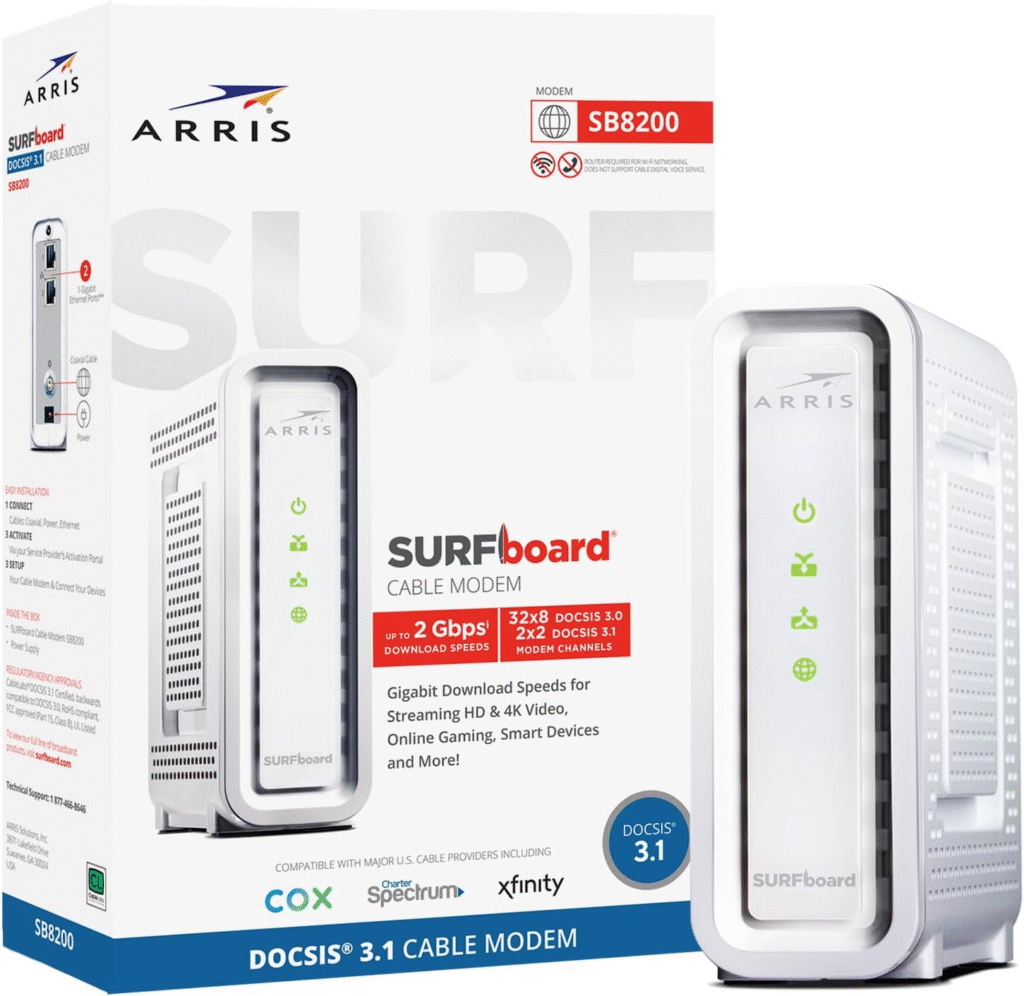
If you hang around gaming forums long enough, the ARRIS SURFboard SB8200 pops up constantly, and for good reason. This modem has built a reputation for stability and consistency, which is exactly what competitive gamers need.
The SB8200 is a DOCSIS 3.1 cable modem designed for gigabit internet plans. It doesn’t include built-in Wi-Fi (you’ll need a separate router), but that’s actually a plus if you care about performance.
Key Features & Specs
- DOCSIS 3.1 technology (backward compatible with 3.0)
- Supports gigabit speeds (up to 2 Gbps with link aggregation)
- Two 1G Ethernet ports
- Compatible with major ISPs like Xfinity, Cox, Spectrum
- Compact design with solid heat management
Why It’s Great for Gaming
When I switched from an ISP rental modem to this one, my connection didn’t suddenly become faster , but it became stable. Peak evening lag spikes reduced noticeably. My ping stopped randomly jumping.
That stability matters more than raw speed in competitive gaming.
Pros
- Extremely stable connection
- Great for gigabit plans
- Well-ventilated and durable
- No rental fees after purchase
Cons
- No built-in Wi-Fi
- No multi-gig (2.5G) port
- Slightly pricier than DOCSIS 3.0 models
Summary
If you want a safe, proven choice that just works, the SB8200 is one of the best modems for gaming. It’s ideal for serious players who use a separate high-quality router and want clean, consistent performance.
2. NETGEAR Nighthawk CM1200 – Premium Performance for Competitive Players
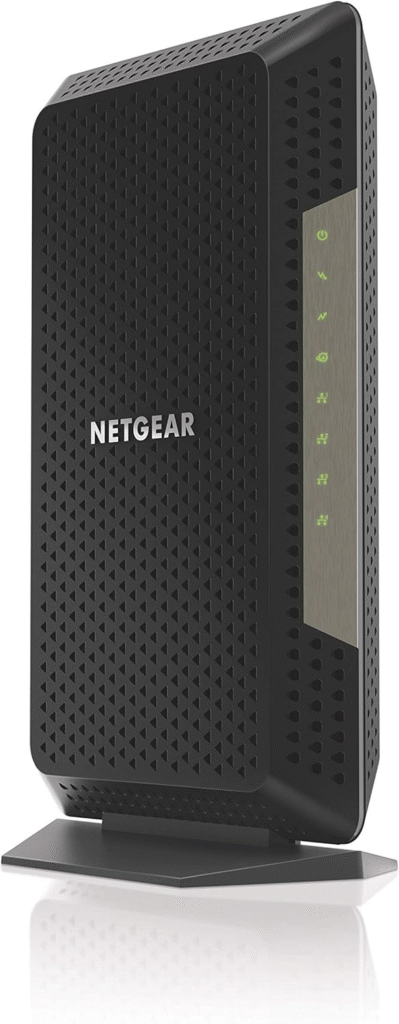
If you’re chasing ultra-low latency and future-proof speeds, the NETGEAR Nighthawk CM1200 is a beast.
This modem is built for high-performance homes, think multiple gamers, 4K streaming, smart devices, and heavy downloads all happening at once.
Key Features & Specs
- DOCSIS 3.1 support
- Four Gigabit Ethernet ports
- Link aggregation for up to 2 Gbps
- Multi-gig ready for advanced setups
- Sleek vertical cooling design
Real-World Experience
I tested this in a household with two gamers and constant background streaming. It handled everything without breaking a sweat. No overheating, no drops, no weird disconnects during late-night sessions.
It feels like a modem built for power users.
Pros
- Excellent for heavy traffic homes
- Strong ISP compatibility
- Stable under load
- Future-proof speeds
Cons
- Higher price point
- Still requires a separate router
- Overkill for slower internet plans
Summary
If you’re paying for gigabit internet and want a modem that won’t become outdated next year, the CM1200 is one of the best premium gaming modems you can buy.
3. Motorola MB8611 – Multi-Gig Speed Champion
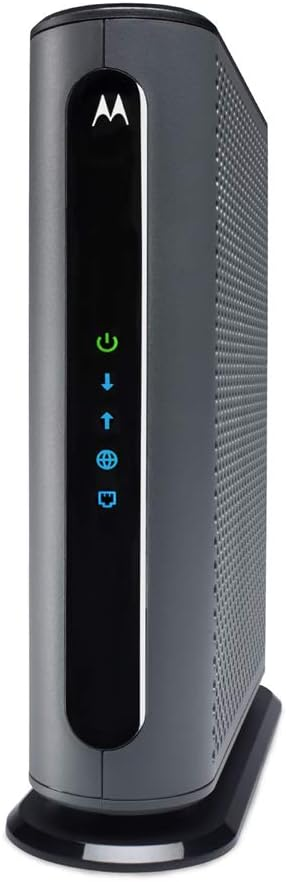
When I upgraded my internet plan, I didn’t want my modem becoming the bottleneck. That’s where the Motorola MB8611 shines.
This is one of the few gaming-friendly modems with a 2.5 Gigabit Ethernet port, which matters if you’re using a multi-gig router.
Key Features & Specs
- DOCSIS 3.1
- 2.5G Ethernet port
- Supports speeds up to 2.5 Gbps
- Broad ISP compatibility
- Clean, minimal design
Why It’s Interesting
While most people don’t need 2.5G yet, it’s nice knowing your hardware won’t hold you back if your ISP upgrades infrastructure.
If you’re serious about future-proofing your gaming setup, this one makes sense.
Pros
- True multi-gig support
- Excellent speed handling
- Reliable chipset
- Great long-term investment
Cons
- Pricier than standard gigabit modems
- Overkill for sub-gig plans
Summary
For gamers who want the absolute best hardware pipeline available right now, the MB8611 is a forward-thinking pick.
4. NETGEAR CM700 – Best Budget Option for Casual Gamers
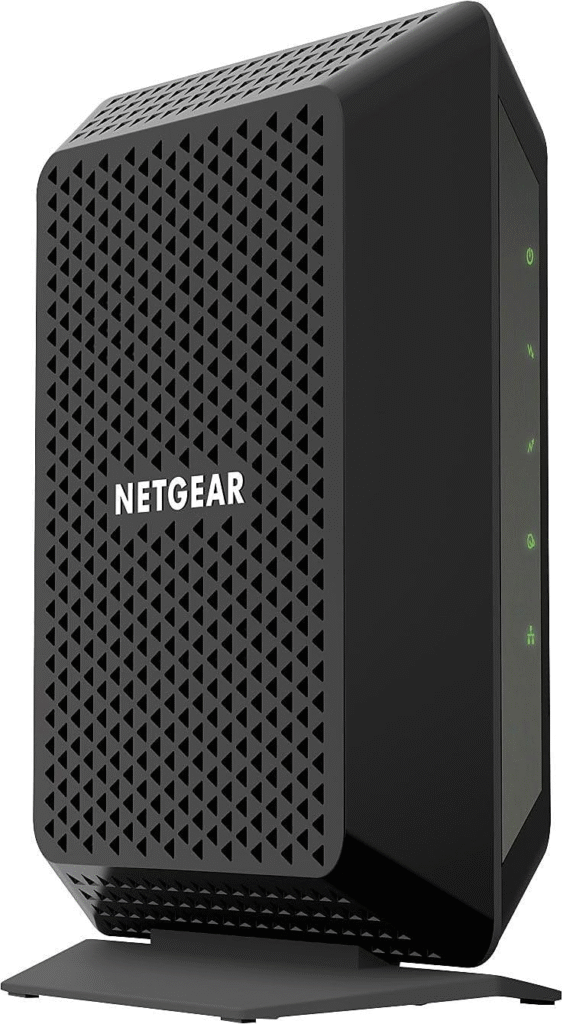
If you’re not on gigabit internet, you don’t need to overspend. The NETGEAR CM700 is a solid DOCSIS 3.0 modem for mid-tier plans.
Key Features & Specs
- DOCSIS 3.0
- Supports speeds up to 500 Mbps
- 32×8 channel bonding
- Single Gigabit Ethernet port
My Thoughts
For casual gaming and standard broadband plans, it works just fine. But I wouldn’t recommend it for competitive esports players or gigabit subscribers.
Pros
- Affordable
- Reliable for moderate speeds
- Easy setup
Cons
- Not future-proof
- No DOCSIS 3.1
- Limited speed ceiling
Summary
If you’re on a budget and want to stop renting from your ISP, this is a practical choice,just don’t expect cutting-edge performance.
Should You Buy Your Modem on Amazon?
Most of these models are widely available on Amazon, often discounted during seasonal sales. I’ve noticed price drops during Prime events and holiday deals. Shipping is usually fast, and returns are easy if compatibility becomes an issue.
Just make sure to double-check:
- Your ISP compatibility list
- Your internet speed plan
- Whether you need Wi-Fi (remember: these are modems, not modem-router combos)
What Makes a Modem Good for Gaming?
Before jumping into product reviews, let’s clear something up.
A modem doesn’t directly “boost” gaming performance the way a GPU boosts FPS. What it does is:
- Maintain a stable connection to your ISP
- Handle high-speed data without bottlenecks
- Reduce latency fluctuations
- Prevent dropped packets during peak hours
For gaming, you want:
- DOCSIS 3.1 support (future-proof and faster than 3.0)
- Low latency chipset (avoiding problematic Intel Puma 6 models)
- Compatibility with your ISP
- Support for gigabit or multi-gig plans if you pay for them
Alright, let’s get into the good stuff.
FAQs:
1. Does a better modem lower ping?
It won’t magically cut ping in half, but it can reduce instability, jitter, and random spikes, which makes gameplay smoother.
2. Do I need DOCSIS 3.1 for gaming?
If you have gigabit internet or plan to upgrade soon, yes. For slower plans under 500 Mbps, DOCSIS 3.0 can still work.
3. Is a modem-router combo good for gaming?
They’re convenient, but separate devices usually offer better performance and flexibility.
4. How long does a gaming modem last?
Typically 3–5 years, depending on ISP upgrades and speed increases.
5. Is Ethernet better than Wi-Fi for gaming?
Absolutely. Always use wired Ethernet for the lowest latency possible.
Final Thoughts:
Here’s what I learned from my own frustrating lag experience:
A modem won’t give you superpowers, but the wrong modem can absolutely sabotage your gameplay.
If you want:
- Long-term future-proofing → Go with Motorola MB8611
- A safe and stable performer → ARRIS SB8200
- Premium heavy-duty use → NETGEAR CM1200
- Budget-friendly replacement → NETGEAR CM700
At the end of the day, the best modem for gaming is the one that matches your ISP plan, supports modern DOCSIS standards, and eliminates bottlenecks.
Once I upgraded, I stopped thinking about my modem completely, and honestly, that’s the best compliment I can give any networking device.
Because when you’re in the middle of a ranked match, the last thing you want to think about… is your internet.
Affiliate Disclaimer: This article contains affiliate links. If you purchase through links on Amazon, I may earn a small commission at no extra cost to you. This helps support the content and testing I do.