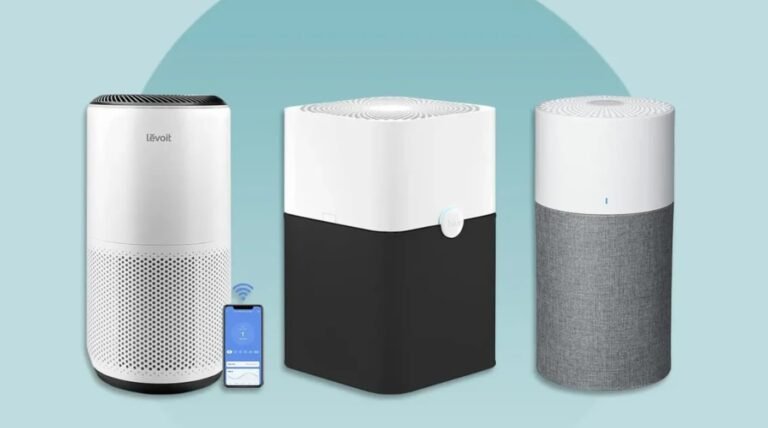

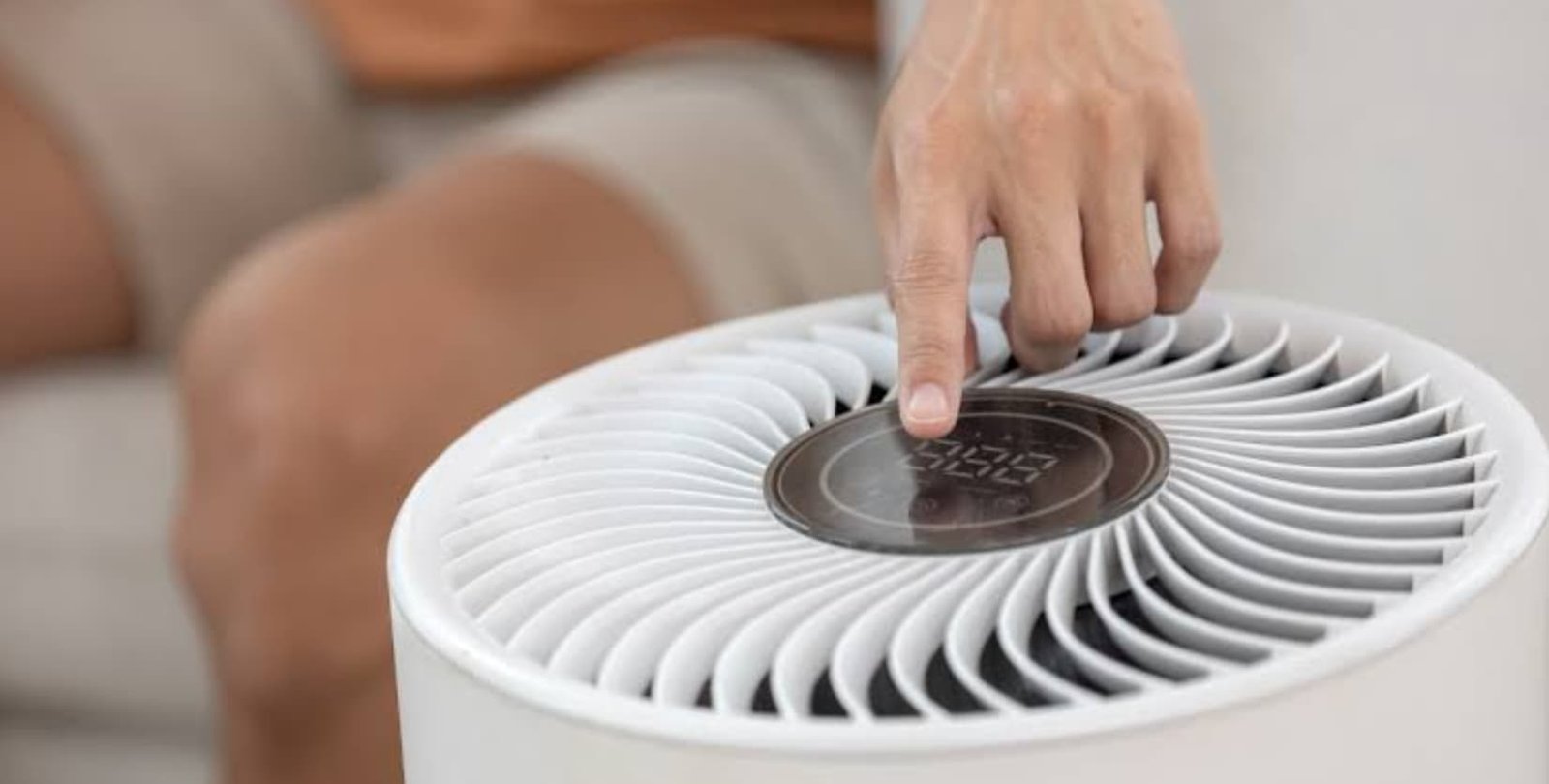
I never thought I’d spend hours researching air purifiers… until wildfire smoke turned my home into something that smelled like a campfire. One morning, I woke up with an irritated throat, watery eyes, and that heavy feeling in my chest that just wouldn’t go away. Even with the windows shut, the smoky smell lingered for hours. Honestly, I figured any purifier with a HEPA filter would solve the problem, but I was wrong. After weeks of reading reviews, comparing brands, and testing a few popular models, I learned that wildfire smoke is a completely different challenge than everyday dust or pet hair.
The biggest lesson? A True HEPA filter alone isn’t enough. The best air purifiers for wildfire smoke combine high-quality HEPA filtration to trap microscopic ash and smoke particles with a thick activated carbon filter that absorbs stubborn smoke odors and harmful gases. I also discovered that checking the smoke CADR rating, choosing the right room coverage, replacing filters regularly, and avoiding ozone-producing ionizers can make a much bigger difference than flashy smart features. Those were things I wish someone had told me before I started shopping.
The Problem: Wildfire Smoke Was Everywhere
Last summer was rough. Smoke from nearby wildfires drifted into our neighborhood for nearly two weeks straight. At first, I assumed keeping the windows closed would be enough, but the smell still found its way inside. My living room felt stale, the air seemed heavy, and even after cooking dinner, the odors mixed with the smoke and stayed around much longer than usual.
That’s when I realized I wasn’t just dealing with smells—I was breathing tiny smoke particles all day. My cheap purifier claimed to have a HEPA filter, but it barely made a difference. The haze looked slightly better, yet the smoky odor stubbornly remained.
Definitely frustrating.
My Search for Something That Actually Worked
Once I started researching, I noticed something interesting. Many buying guides focused almost entirely on technical specifications, while real users talked about how these machines actually felt to live with every day.
I kept seeing the same advice repeated:
- True HEPA filtration is essential.
- Activated carbon is what removes smoke odors.
- Higher smoke CADR ratings matter.
- Match the purifier to your room size.
- Don’t ignore replacement filter costs.
- Quiet operation is important because you’ll probably run it 24/7.
I also considered several brands, including Blueair, AirDoctor, Dyson, Rabbit Air, Honeywell, Coway, and Levoit. Blueair had plenty of fans, especially for dust and cooking odors, while Dyson looked beautiful but honestly seemed overpriced for the actual cleaning performance. Rabbit Air and AirDoctor also received excellent feedback, although their higher prices pushed me toward a few other options first.
Eventually, I narrowed my list to three models that consistently appeared in expert recommendations and real-world user experiences.
1. Coway Airmega AP-1512HH Mighty – My Overall Favorite
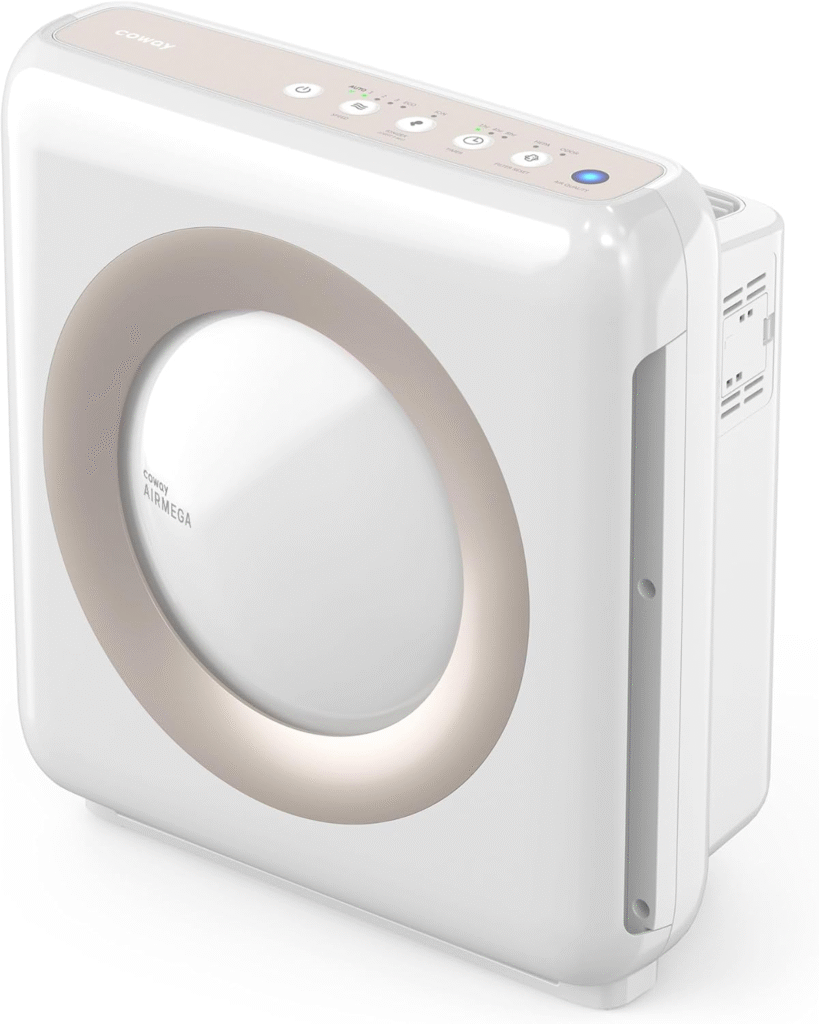
This was the first purifier that genuinely impressed me.
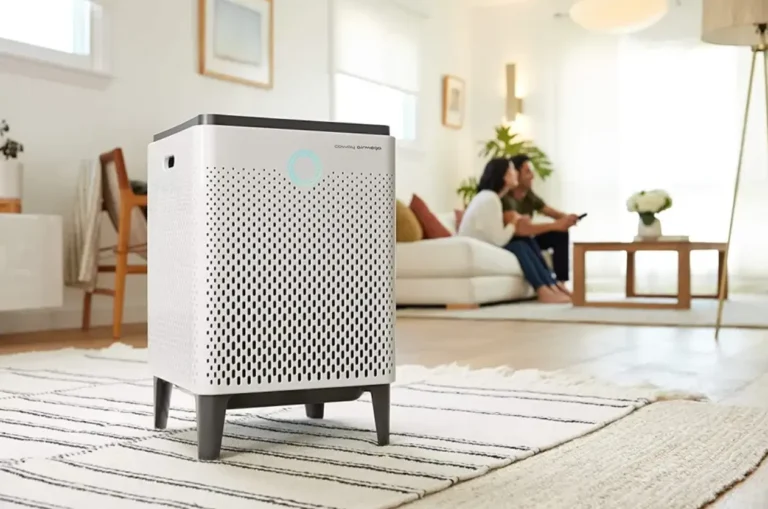
The Coway Airmega AP-1512HH Mighty combines a washable pre-filter, activated carbon filter, and True HEPA filter in a surprisingly compact design. Despite its size, the airflow felt much stronger than I expected.
Within the first day, the difference was noticeable. During one particularly smoky afternoon, the room no longer felt stuffy after running it for a while. The lingering campfire smell faded much faster than it had with my previous purifier.
What really stood out was Auto Mode. Instead of constantly adjusting fan speeds myself, the built-in air quality sensor handled everything automatically. It stayed whisper quiet most of the time, only speeding up when smoke levels increased.
Things I liked
- Excellent smoke CADR
- True HEPA plus activated carbon filtration
- Quiet enough for bedrooms
- Affordable replacement filters
- Low energy usage
Small downside
Coverage isn’t ideal for very large open spaces, so bigger homes may need multiple units.
After about three weeks of continuous use, my throat irritation was noticeably better, and honestly… that alone made it worthwhile.
2. Winix 5500-2 – The Budget Champion
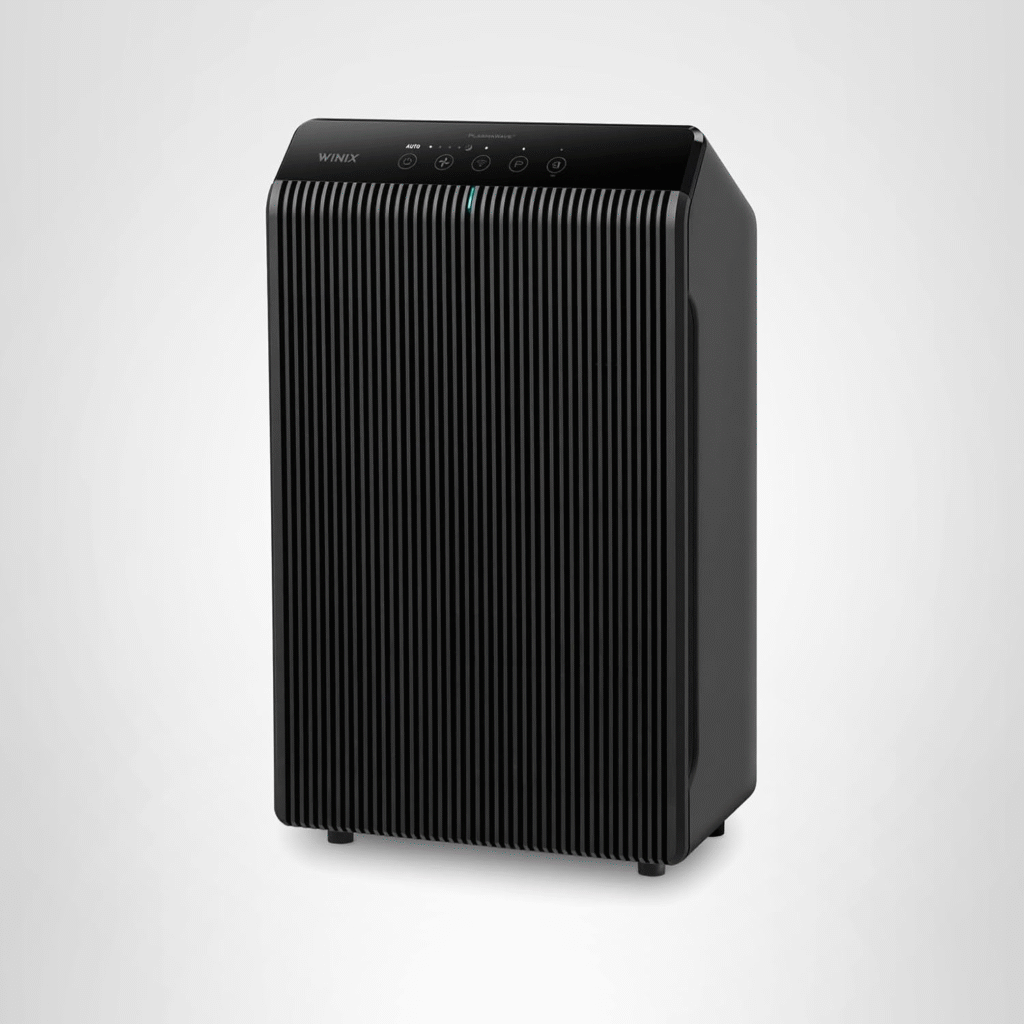
I almost bought this one first because it costs considerably less than many competitors.
The Winix 5500-2 includes:
- Washable pre-filter
- True HEPA filter
- Advanced activated carbon filter
- Auto mode
- Air quality sensor
For the price, it’s surprisingly complete.
Smoke disappeared fairly quickly, especially after cooking or when outdoor air quality declined. The washable pre-filter also helped reduce long-term maintenance costs.
The only issue I encountered was noise.
On lower settings it was pleasantly quiet, but during heavy smoke events the fan frequently switched to higher speeds. It cleaned the room faster, yes… but conversations and watching TV became a little harder.
Still, considering the price, it’s easy to recommend.
3. IQAir HealthPro Plus – Incredible Performance at a Premium Price
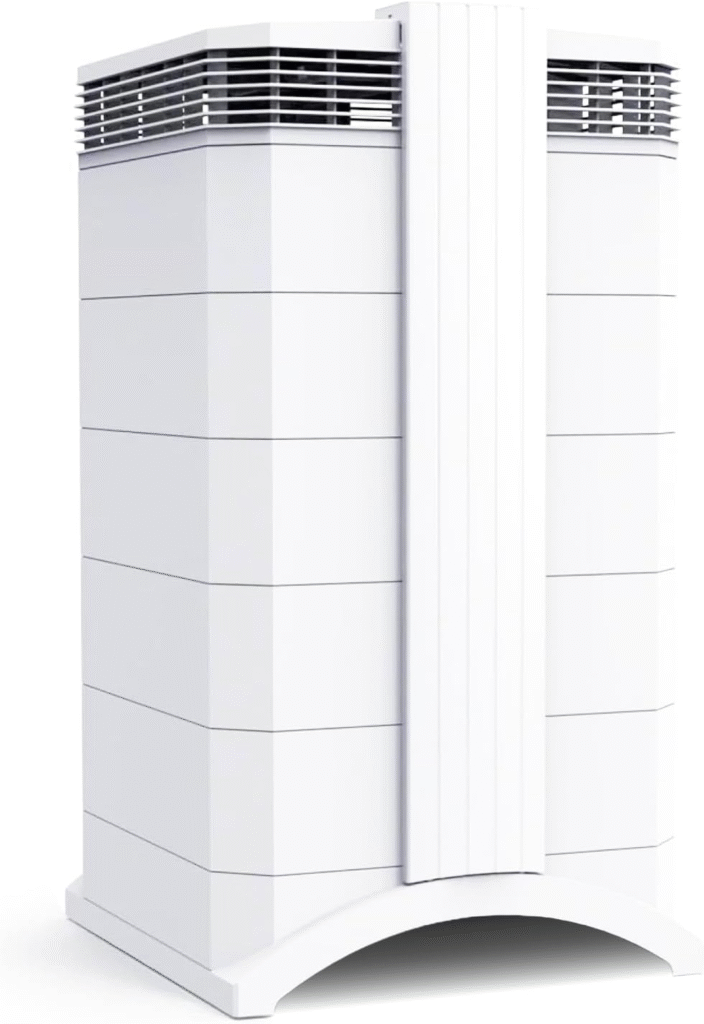
If money wasn’t part of the equation, this would probably be the ultimate choice.
The IQAir HealthPro Plus uses medical-grade filtration capable of capturing particles down to incredibly tiny sizes. Its filtration system is one of the most advanced available for residential use.
I had the chance to try one during a visit to a friend’s house during wildfire season, and I completely understood why it’s so highly regarded.
The indoor air felt cleaner almost immediately. There wasn’t that lingering smoky heaviness I had gotten used to.
Its massive filtration system also handles odors much better than many standard HEPA-only machines.
Unfortunately…
The price is difficult to ignore.
Replacement filters also cost significantly more than most competitors, making it harder to justify unless smoke exposure is a constant issue.
Living With These Every Day
One thing I didn’t expect was how much daily usability mattered.
Sure, smart apps and Wi-Fi controls sound nice, but after a month of use I rarely opened any companion apps. Instead, I cared about much simpler things:
Could I leave it running overnight?
Was it quiet enough while working from home?
Would replacement filters be easy to find on Amazon?
Could it automatically respond when smoke levels increased?
Those practical details mattered far more than colorful displays or fancy graphs.
During one particularly bad smoke week, I simply left the Coway running continuously. It quietly adjusted itself throughout the day, and I barely thought about it—which is exactly what I wanted.
What I Learned About Smoke Filtration
Looking back, I made one major mistake in the beginning.
I assumed every HEPA purifier performed similarly.
Not even close.
Smoke isn’t just dust floating around. It contains microscopic particles, gases, VOCs, and stubborn odors. That’s why activated carbon became one of my biggest priorities after reading countless user experiences.
If you’re shopping today, here’s what I’d focus on:
- True HEPA filtration for capturing ultrafine smoke particles.
- Thick activated carbon filters for odors and gases.
- Smoke-specific CADR ratings appropriate for your room size.
- Affordable replacement filters since smoke clogs filters much faster than normal household dust.
- Avoid ionizers or ozone-generating modes that can actually worsen respiratory irritation.
Those few factors mattered far more than premium branding or expensive smart features.
Buying Experience
I ended up ordering through Amazon because shipping was faster and prices fluctuated quite a bit during wildfire season. Watching for sales helped too. Around holiday promotions and Prime events, discounts were surprisingly common, especially on Coway and Winix models.
Replacement filters were also easier to find online compared to local stores, which became important after months of regular use.
Final Thoughts
After testing multiple air purifiers and spending weeks comparing real-world experiences, I found that the Coway Airmega AP-1512HH Mighty offered the best overall balance of performance, affordability, quiet operation, and long-term value. It consistently handled wildfire smoke, cooking odors, and everyday indoor pollutants without making me feel like I had overspent.
The Winix 5500-2 remains my favorite budget recommendation. It delivers impressive smoke filtration for the money, although it can become a little noisy at higher fan speeds.
For those who demand medical-grade performance and don’t mind paying premium prices, the IQAir HealthPro Plus is incredibly capable. It delivers exceptional filtration, but both the initial investment and replacement filters require serious commitment.
No purifier is perfect. Filters need replacing, heavy smoke still takes time to clear, and larger homes may require multiple units. But choosing a purifier with strong airflow, genuine True HEPA filtration, substantial activated carbon, and an appropriate smoke CADR can make an enormous difference. Looking back, I only wish I’d understood that sooner—it would’ve saved me a lot of trial, error, and money.
Amazon Affiliate Disclaimer
As an Amazon Associate, I earn from qualifying purchases. This m eans I may earn a small commission if you buy through links on this page, at no extra cost to you. This helps support the research and content I create.