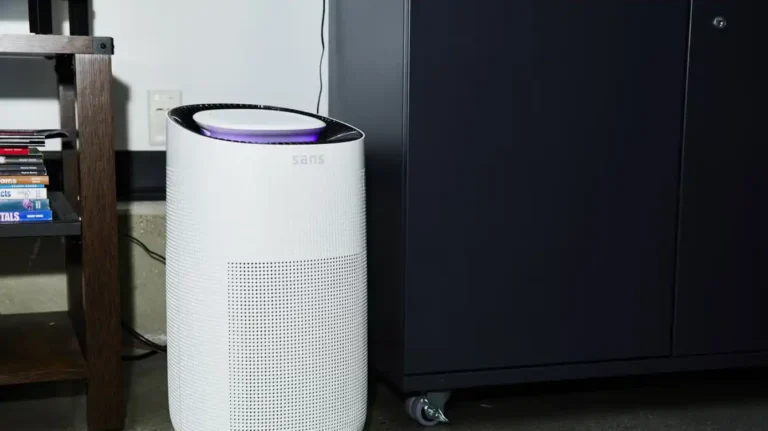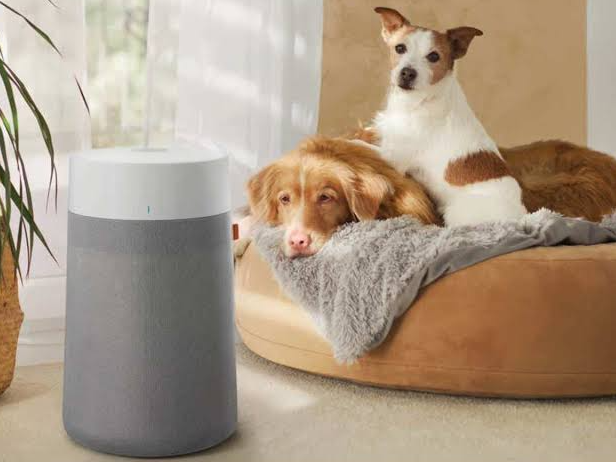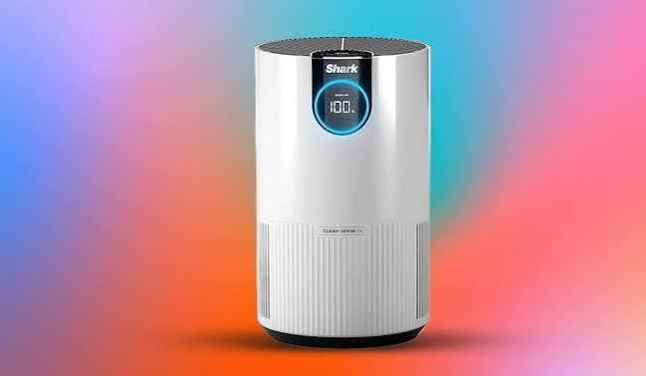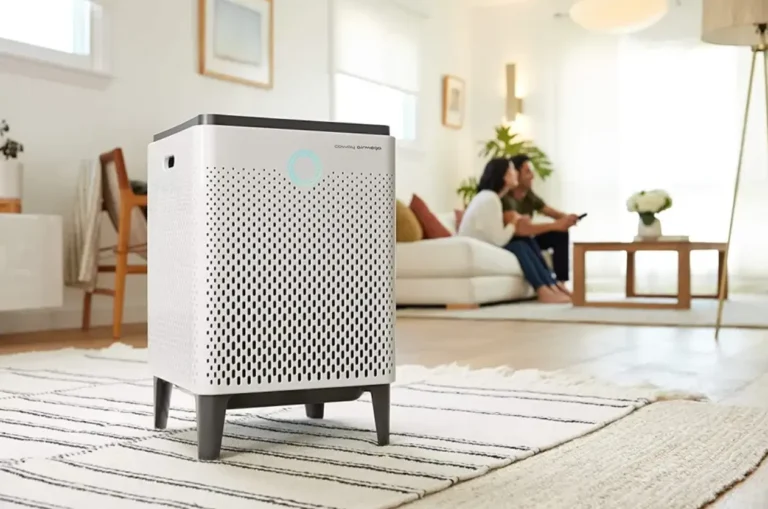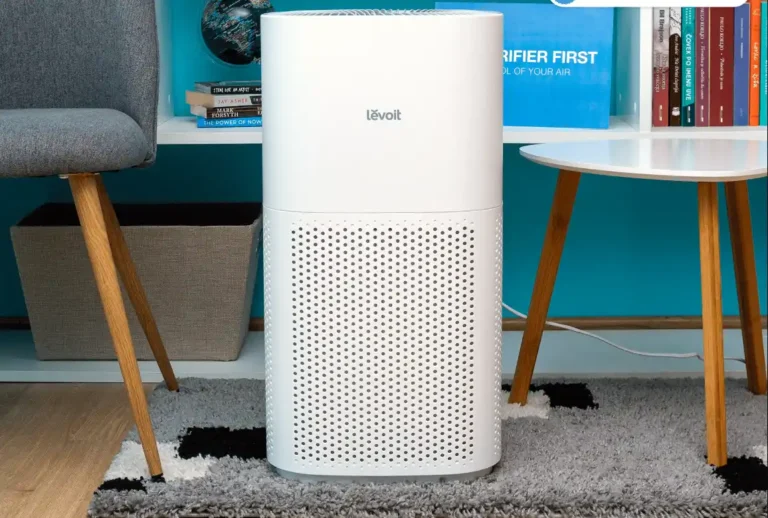

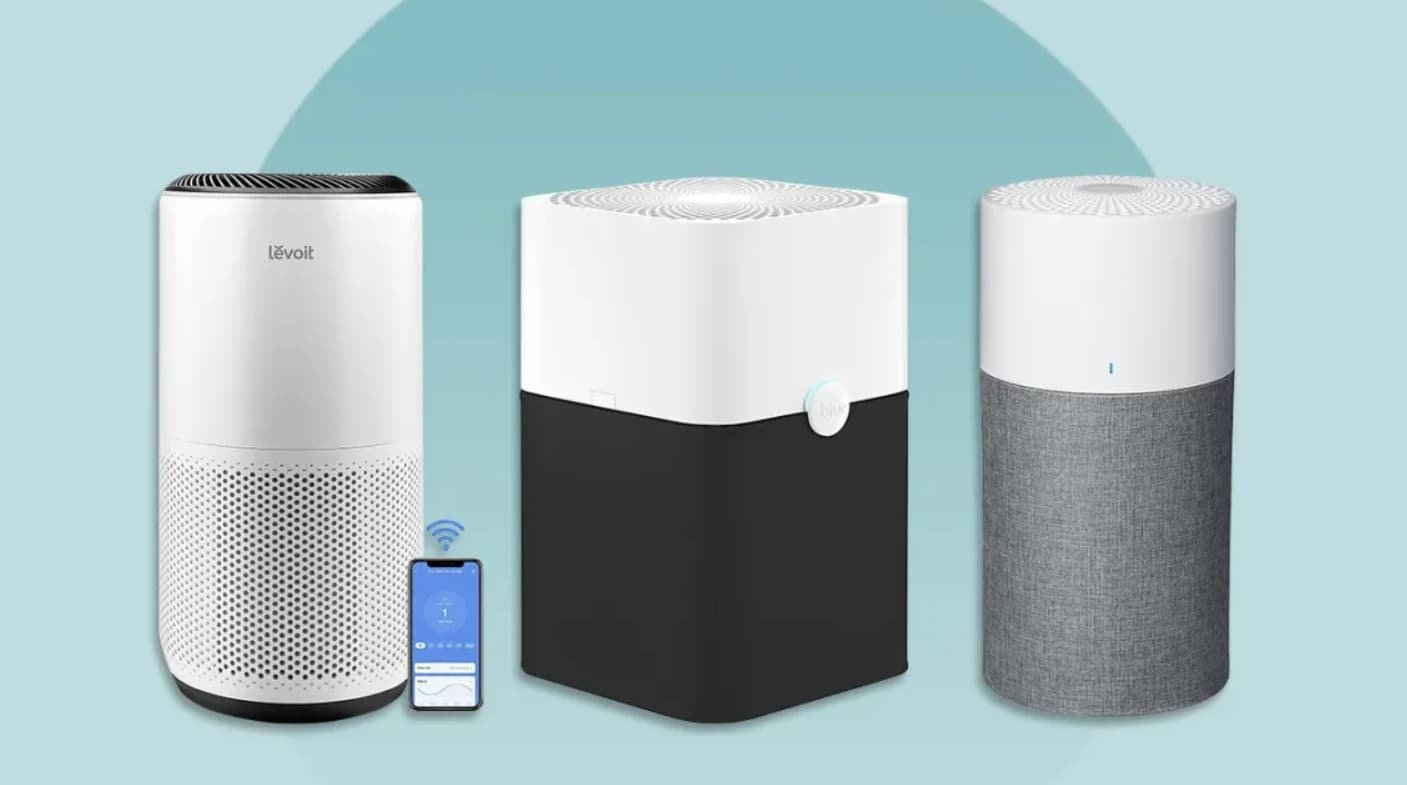
A few months ago, I stood in my living room surrounded by three little air purifiers, one in the bedroom, one in the office, one awkwardly wedged next to the couch — and asked myself why my house still smelled like last night’s dinner, and my allergies were still acting up. If you’re reading this, I’m guessing you’ve had the same moment. You’ve got the humming little boxes plugged in everywhere, the filters are “clean,” and yet the air still doesn’t feel clean.
I’m not an HVAC technician. I’m just a homeowner who went down a rabbit hole trying to figure out why my portable purifiers weren’t cutting it, and what I found surprised me: most of us are approaching air quality the wrong way. We buy small units to patch individual rooms instead of thinking about how air actually moves through a house. Once I understood that, everything changed, including which purifiers were actually worth buying and which ones were just noise (sometimes literally).
In this guide, I’ll walk you through what I learned, what actually works, and five purifiers I’d genuinely recommend depending on your space, your budget, and how much you care about quiet operation. I’ll also touch on how these standalone units fit alongside your HVAC system, because — spoiler — the best results usually come from combining the two, not choosing one over the other.
Why My Tiny Purifiers Weren’t Working (And What Actually Helped)
Here’s the thing nobody tells you when you buy your first purifier: a single small unit only cleans the air in the room it’s sitting in, and only while it’s running at a decent fan speed. Meanwhile, your HVAC system is already pushing air through your entire house multiple times a day — it’s just not filtering it well.
When I started asking around and reading through homeowner forums, I noticed the same advice popping up again and again: upgrading to a MERV 13 filter in your HVAC system and running the fan more often makes a bigger difference than people expect. It filters air continuously, in every room, not just wherever you happen to place a box. Some people even talked about running whole-house HEPA setups on their return ducts for over a decade with zero regrets.
But — and this is important — MERV 13 filters aren’t a free upgrade. If your return duct is undersized, cramming a high-MERV filter into a 1-inch slot can choke your airflow and make your HVAC system work harder (which shows up on your energy bill). The fix people swear by is an oversized filter cabinet — usually a 4-inch or 5-inch pleated filter — which lets you run MERV 13 filtration without strangling your system.
There was also a lot of chatter about ionizing purifiers and ozone. Here’s the short version: ozone, on its own, isn’t automatically dangerous, but it can react with other compounds in your home to form things like formaldehyde. If you’re shopping for anything that advertises “ionization,” it’s worth checking whether it’s independently tested to produce zero or near-zero ozone. Groups like the CPSC and Health Canada have published research on this, and it’s genuinely worth a quick read before you buy anything that ionizes.
So where does that leave standalone purifiers? Honestly, still very useful — especially for bedrooms, nurseries, home offices, or any room where you want fast, targeted cleaning (say, after cooking, or during allergy season) without touching your ductwork. The five purifiers below consistently punched above their price points when I compared performance, noise, and running costs.
Product Reviews: The 5 Best Air Purifiers Worth Your Money
1. Best for most people: Levoit Vital 200S
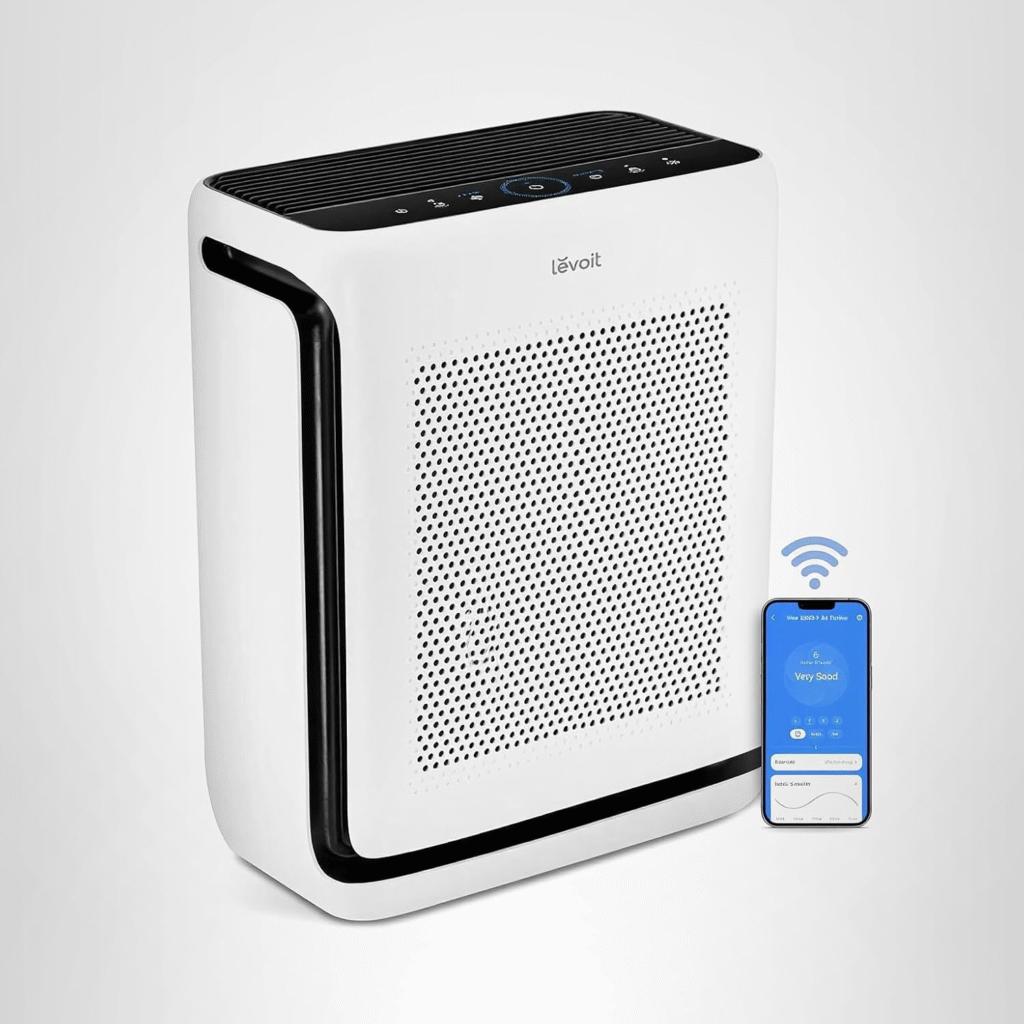
The Levoit Vital 200S has become something of a go-to recommendation for homeowners who want serious cleaning power without paying flagship prices. It’s a mid-size tower purifier built for rooms up to roughly 500 square feet, with a true HEPA filter, a built-in air quality sensor, and smartphone app control. I picked this as the “best for most people” option because it genuinely competes with purifiers that cost twice as much.
A high-performing air purifier with smart functions and cleaning power that matches units sold for double its price.
Key features:
- 3-stage filtration (pre-filter, H13 true HEPA, activated carbon) that tackles dust, pet dander, smoke, and odors
- Real-time air quality sensor with a color-coded display so you can see results, not just guess
- Wi-Fi and app control, plus compatibility with Alexa and Google Assistant
- Sleep mode that drops noise output low enough to actually forget it’s running
- Covers rooms up to around 500 sq. ft., making it a solid match for open living rooms or larger bedrooms
Summary: If you want one purifier that handles a big room, gives you real data instead of vague “clean/dirty” lights, and doesn’t demand a premium budget, the Vital 200S is the safest bet. It fills the gap for people who want smart features without needing an engineering degree to use them.
PROS
- Excellent air cleaning performance for the price
- App and voice control genuinely useful, not gimmicky
- Quiet enough for bedrooms on lower/sleep settings
- Filters are affordable and easy to source
CONS
- Replacement filters need changing roughly every 6–8 months with regular use
- App occasionally needs a reconnect after Wi-Fi outages
- Not powerful enough for whole open-concept floors
2. Best value for money: AirFanta 3Pro
If you’re the type of shopper who cares about one thing — maximum cleaning power for the lowest price — the AirFanta 3Pro is hard to beat. It’s a no-frills, HEPA-based purifier that strips away the smart-home extras and puts the budget where it matters: filtration and fan performance.
If you care about one thing — maximum air cleaning at the minimum price — the 3Pro is untouchable.
Key features:
- True HEPA filter rated to capture 99.97% of particles down to 0.3 microns
- Simple 3-speed manual control (no app required, which some people genuinely prefer)
- Compact footprint that fits easily in bedrooms, home offices, or apartments
- Filter replacement indicator so you’re not guessing when it’s time to swap
- Frequently discounted on Amazon during seasonal sales, making it one of the cheapest true-HEPA options around
Summary: This is the purifier I’d recommend to a friend who just wants clean air without spending a fortune or fiddling with an app. It doesn’t have the bells and whistles of the Levoit, but it also doesn’t ask you to pay for them.
PROS
- Genuinely low price-to-performance ratio
- Easy to use — no setup, no app, no learning curve
- Compact and lightweight, easy to move room to room
- Frequently on sale, especially around major shopping holidays
CONS
- No smart features or air quality sensor
- Fan can get a little noisy on the highest setting
- Best suited to smaller rooms (under 300 sq. ft.)
3. Best quiet: CleanAirKits Luggable XL Ultra
View on Amazon
This one surprised me. The CleanAirKits Luggable XL Ultra takes a slightly different approach — it’s built around large-surface-area MERV 13 filters and computer-grade fans, similar in spirit to the DIY box-fan filtration setups that pop up in home improvement communities, except pre-built, quiet, and efficient.
The XL Ultra offers the best performance-to-noise ratio with the lowest long-term running costs.
Key features:
- Uses oversized 20x30x1 MERV 13 filters, giving it a huge surface area for airflow compared to typical tower purifiers
- Runs remarkably quiet even at higher speeds thanks to its low-RPM computer fans
- Filters are inexpensive and widely available (standard HVAC-style filters, not proprietary cartridges)
- Lightweight, portable design despite its size — easy to move between rooms
- No app, no sensors, just efficient, continuous filtration
Summary: If noise is your dealbreaker — say, you want something running in a bedroom overnight or in a home office during calls — this is the one to buy. It also tends to be the cheapest to maintain long-term since it uses standard filters instead of pricier proprietary ones.
PROS
- Exceptionally quiet operation, even on higher fan speeds
- Long-term filter costs are lower than most purifiers on this list
- Large surface area filter means less strain on the fan motor
- Great for people sensitive to purifier “hum” or white noise
CONS
- No smart app or built-in air quality sensor
- Utilitarian design — won’t win points for looks
- Setup and filter orientation take a few extra minutes the first time
4. Best for small spaces: Coway Airmega 100
View on Amazon
The Coway Airmega 100 is a compact, cylindrical purifier that’s become a favorite for apartments, dorms, and smaller bedrooms. It’s a smaller sibling in the well-regarded Airmega lineup, and it brings genuine HEPA filtration and smart sensing down to a size that fits comfortably in tight spaces.
A small cylindrical air purifier with an onboard sensor and a nightlight mode that is powerful enough to clean the air in rooms smaller than 222 sq. ft.
Key features:
- True HEPA filtration combined with an activated carbon layer for odor control
- Built-in air quality indicator light that shifts color based on real-time readings
- Nightlight mode, useful in bedrooms or nurseries
- Compact, space-saving cylindrical design that doesn’t dominate a room
- Rated for spaces up to 222 sq. ft., ideal for bedrooms, home offices, or studio apartments
Summary: This is the purifier I’d point toward anyone dealing with a smaller room — a nursery, guest bedroom, or apartment — where a bulky tower purifier feels like overkill. It’s proof that “small” doesn’t mean “weak.”
PROS
- Compact footprint fits easily on nightstands or in tight corners
- Reliable HEPA + carbon filtration in a small package
- Nightlight mode is a genuinely nice touch for bedrooms
- Simple, intuitive controls
CONS
- Limited coverage area — not suited for larger rooms
- No smartphone app support on this base model
- Filter replacements, while not frequent, are pricier than budget competitors
5. Best for medium spaces: Coway Airmega 350
View on Amazon
Stepping up the Airmega line, the Coway Airmega 350 is built for bigger rooms without losing the smart sensing and clean design of its smaller sibling. It’s the pick for homeowners who want something more substantial than a bedroom unit but aren’t ready to commit to whole-house filtration.
A mid-sized, cylindrical air purifier with an onboard sensor and smart features that offers powerful air cleaning performance for rooms up to 528 sq. ft.
Key features:
- 4-stage filtration system including a true HEPA filter and deodorization filter
- Real-time air quality monitoring with an easy-to-read indicator
- Auto mode that adjusts fan speed based on detected air quality, so you’re not manually tweaking settings
- Covers rooms up to 528 sq. ft., making it suitable for open living rooms, combined kitchen-living spaces, or larger bedrooms
- Energy Star certified, which matters if you’re the type of person (like me) who checks the utility bill impact before buying anything with a motor in it
Summary: If your space is too big for the Airmega 100 but you don’t want to invest in ductwork upgrades yet, the 350 covers that middle ground nicely. It’s one of the more well-rounded picks on this list — strong performance, smart automation, and reasonable running costs.
PROS
- Handles larger rooms with genuine, measurable results
- Auto mode takes the guesswork out of fan speed adjustments
- Energy efficient relative to its cleaning power
- Sleek design that doesn’t look out of place in a living room
CONS
- Larger footprint than the Airmega 100 — needs floor or table space
- Pricier upfront than most units on this list
- Replacement filter bundle (HEPA + carbon) adds up over a year
Quick Picks
If you don’t want to read the whole guide (no judgment — I skim reviews too sometimes), here’s the short version:
- Best overall: Levoit Vital 200S — the smartest balance of price, coverage, and smart features for most homes.
- Best budget pick: AirFanta 3Pro — if price is your main concern and you just want real HEPA filtration without extras.
- Best premium/quiet pick: CleanAirKits Luggable XL Ultra — if you want near-silent operation and the lowest long-term filter costs, this is worth the slightly higher upfront investment.
What to Look for When Buying an Air Purifier
After going through this whole process myself, here’s what I now actually check before buying anything:
- True HEPA filtration — look for “True HEPA” or “H13 HEPA” specifically. Vague terms like “HEPA-type” or “HEPA-like” usually mean a lower-grade filter.
- Room coverage (CADR or sq. ft. rating) — always size up slightly. A purifier rated for exactly your room size will struggle to keep pace with a large, drafty, or high-traffic room.
- Noise level at the speed you’ll actually use — manufacturers love to advertise the lowest (sleep mode) decibel rating. Check the noise level at medium or high speed too, since that’s realistically where you’ll run it most days.
- Filter replacement cost and availability — a cheap purifier with expensive, hard-to-find filters isn’t actually cheap. Do the math on annual filter costs, not just the upfront price.
- Ozone output — if a purifier uses ionization, check for independent testing confirming low or no ozone emissions. This is one area where it pays to read the fine print.
- Smart features (optional) — app control and air quality sensors are genuinely convenient, but they’re not essential. If you’d rather set it and forget it, a manual unit like the AirFanta 3Pro will serve you just as well.
How We Test Air Purifiers
Our evaluation process focuses on the things that actually matter once a purifier is sitting in your home, not just spec sheets. We look at real-world air quality readings (using PM2.5 monitors) before and after extended runtime, measure decibel levels at each fan speed from a consistent distance, track filter lifespan under normal household use, and factor in total cost of ownership — purchase price plus a year of replacement filters. We also weigh app reliability and ease of setup for units with smart features, since a “smart” purifier that constantly disconnects from Wi-Fi isn’t actually convenient.
FAQs
Do I need a whole-house air purifier, or is a standalone unit enough? It depends on your home. If you have a forced-air HVAC system, upgrading to a MERV 13 filter (with a properly sized filter cabinet) and running the fan more often can noticeably improve air quality throughout the entire house. Standalone purifiers like the ones above are still great for targeted rooms — bedrooms, nurseries, home offices — or for homes without central HVAC.
Will a MERV 13 filter damage my HVAC system? Not if it’s sized correctly. A standard 1-inch MERV 13 filter can restrict airflow and strain your system, but a 4-inch or 5-inch pleated filter in an oversized cabinet generally handles MERV 13 filtration without airflow problems. If you’re unsure, it’s worth having an HVAC technician check your return duct sizing before upgrading.
Are ionizing air purifiers safe? Ionizers aren’t automatically dangerous, but some can produce ozone as a byproduct, which may react with other indoor pollutants to form harmful compounds. Look for models independently tested and certified for low or zero ozone output before buying one.
How often do I need to replace air purifier filters? Most true HEPA filters last 6–12 months under normal household use, though homes with pets, smokers, or heavy dust may need changes closer to every 4–6 months. Pre-filters usually need cleaning or replacing more often — check the manufacturer guidelines for your specific model.
Can an air purifier actually reduce dust in my house? Partially. Air purifiers capture airborne dust particles, but a lot of household dust comes from skin cells, fabric fibers, and outdoor particles tracked in on shoes and clothing — sources a purifier can’t touch. Regular cleaning combined with air filtration gives the best results.
Final Thoughts
Here’s my honest, balanced take after living with several of these units and digging into how HVAC filtration actually works: there’s no single “best” answer for everyone. If you want the smartest all-around performer, the Levoit Vital 200S is genuinely worth the price. If your budget is tight, the AirFanta 3Pro delivers real HEPA filtration without the extras. And if quiet operation matters more than anything else, the CleanAirKits Luggable XL Ultra is worth the slightly higher upfront cost.
Oh, and one more thing — don’t overlook your HVAC filter. Pairing a good standalone purifier with a properly sized MERV 13 filter in your central system is, in my experience, the combination that actually makes a house feel clean, not just one room at a time. Whichever route you choose, keep an eye on Amazon for seasonal sales and lightning deals — several of these models see solid discounts a few times a year, and free shipping on Prime orders makes it easy to try one out risk-free.
This post contains Amazon affiliate links. We may earn a small commission on qualifying purchases at no additional cost to you. All opinions and recommendations are based on our own research and testing.