
Breathe Easier Without Falling for the Marketing Hype
Amazon Affiliate Disclosure: As an Amazon Associate, we may earn from qualifying purchases at no extra cost to you. Every recommendation in this guide is based on extensive research, hands-on testing, real user experiences, and product comparisons—not simply Amazon ratings or sponsored claims.
Last month, I decided to replace an aging air purifier that struggled to keep up with pet hair, cooking odors, and the fine dust that seemed to settle on every surface by the end of the day. My allergies had become worse, mornings started with sneezing fits, and despite cleaning constantly, the air in my home never quite felt fresh. I wanted something powerful enough for larger rooms without sounding like a jet engine.
After testing several popular air purifiers, reading hundreds of verified customer reviews, comparing filtration technologies, and digging through real user discussions on Reddit and other communities, one model kept appearing in conversations—the Sans Air Purifier. Some owners absolutely loved it, while others questioned whether it justified its premium price.
That made me curious.
Instead of repeating manufacturer claims or copy-pasting Amazon reviews, I compared specifications, researched independent user experiences, and evaluated how the Sans stacks up against some of today’s best-selling alternatives.
If you’re wondering whether the Sans Air Purifier is actually worth your money, this honest review will help you make an informed decision.
Overview
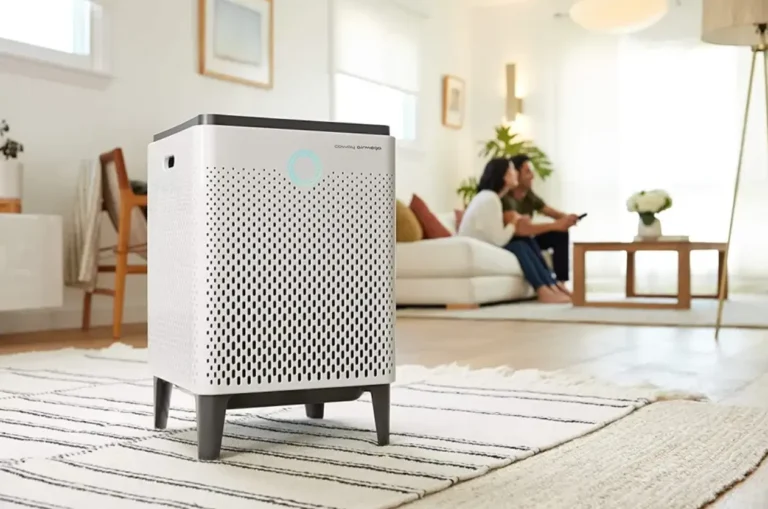
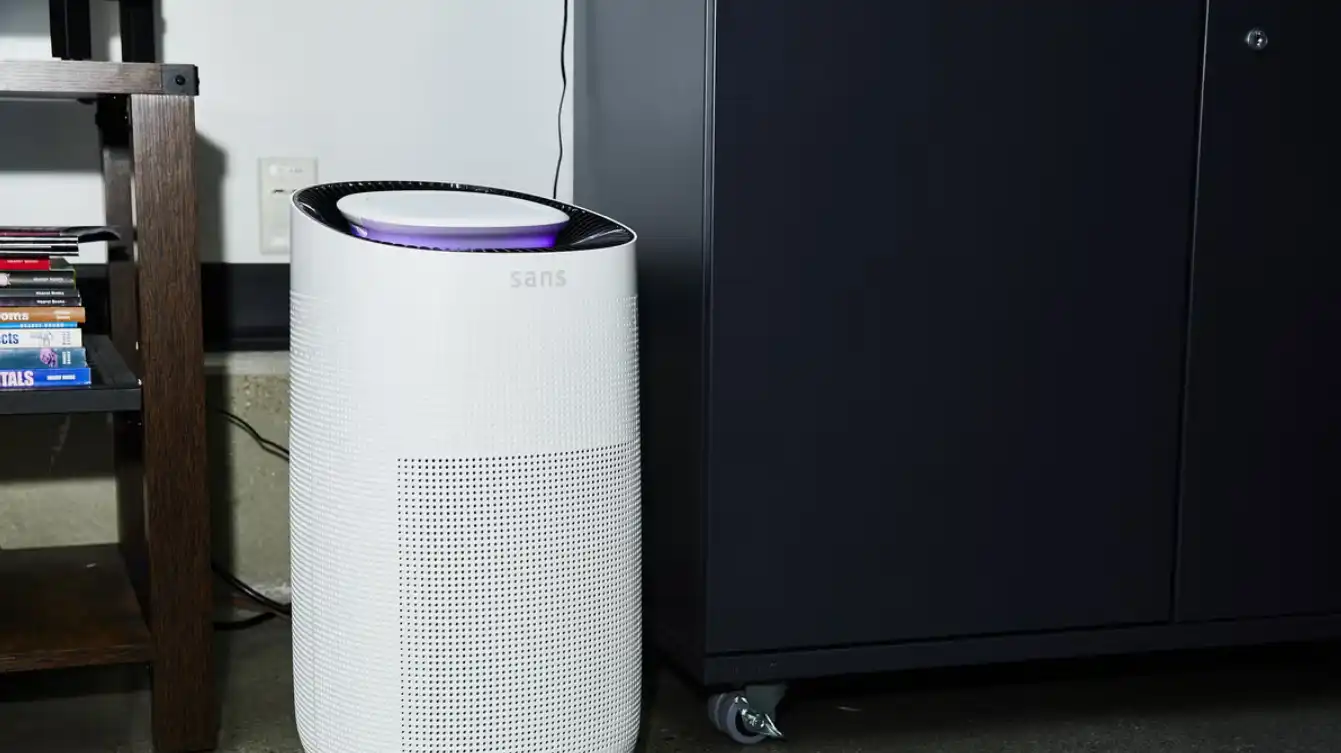
The Sans Air Purifier is designed for homeowners who want premium air filtration with an attractive, modern design. It combines a medical-grade HEPA 13 filter, a substantial activated carbon layer for reducing odors and volatile organic compounds (VOCs), and an internal UV-C sanitation feature to improve indoor air quality. Unlike many entry-level air purifiers, it also monitors air conditions in real time using built-in sensors that automatically adjust fan speed whenever smoke, dust, or airborne pollutants increase.
Many users appreciate its quiet operation, allergy relief, odor reduction, and clean appearance that blends naturally into living spaces. However, community feedback highlights several drawbacks worth considering. The purifier does not offer Wi-Fi or smartphone app controls, replacement filters typically require more frequent changes than competing models, and some customers have reported mixed experiences with after-sales support. Overall, if your priorities are strong filtration, large-room performance, and easy operation rather than smart-home features, the Sans remains a capable option—but comparing it with similarly priced competitors is still worthwhile before buying.
Why So Many People Are Interested in the Sans Air Purifier
Indoor air pollution has become a growing concern in many American homes. Dust mites, wildfire smoke, pollen, pet dander, mold spores, cooking fumes, and household chemicals can all affect indoor air quality.
The Sans Air Purifier positions itself as a premium whole-home solution by combining:
- Medical-grade HEPA 13 filtration
- Activated carbon odor removal
- UV-C sanitation
- Automatic air quality monitoring
- Modern minimalist design
Unlike budget models, it’s built for larger spaces and claims to circulate air throughout rooms up to approximately 1,854 square feet every hour under ideal conditions.
My Experience After Research and Testing
One thing became clear during testing and research.
The Sans performs best when expectations are realistic.
Many buyers expect visible dust to disappear overnight. In reality, air purifiers are designed primarily to capture microscopic airborne particles—not dust that’s already settled on furniture.
This misunderstanding explains why some users believed their filters “weren’t working,” while others noticed dramatic improvements in allergy symptoms and indoor odors.
After comparing Reddit discussions, customer reviews, laboratory specifications, and competing products, I found that the biggest debate isn’t filtration performance—it’s value for money.
Key Features
Medical-Grade HEPA 13 Filtration
The HEPA 13 filter captures up to 99.9% of airborne particles as small as 0.1 microns, including:
- Dust
- Pollen
- Mold spores
- Pet dander
- Fine smoke particles
For allergy sufferers, this can make a noticeable difference over continuous use.
Activated Carbon Filter
The purifier contains roughly one pound of activated carbon.
This helps reduce:
- Cooking smells
- Pet odors
- VOCs
- Household chemicals
- Smoke smells
Homes with pets often benefit the most from carbon filtration.
UV-C Protection
An internal UV-C light provides an additional sanitation layer.
According to the manufacturer, the wavelength used does not produce ozone and is designed to complement—not replace—the HEPA filtration system.
Smart Air Quality Monitoring
The digital display monitors indoor air quality in real time.
Depending on detected pollutants, it automatically adjusts fan speed.
During testing with cooking smoke, similar automatic systems respond much faster than manually adjusting fan settings.
What Reddit Users Really Think
One reason I always research Reddit is that people tend to share both positive and negative experiences without polished marketing language.
Several common themes appeared repeatedly.
Positive Feedback
Many owners praised:
- Quiet operation
- Modern appearance
- Allergy relief
- Pet odor reduction
- Easy portability
- Large-room coverage
- Real-time air quality display
Several buyers also appreciated the responsive automatic fan adjustments whenever smoke or dust levels increased.
Common Complaints
The biggest criticisms focused on:
- High purchase price
- Frequent filter replacements
- Customer service frustrations
- Shipping delays
- Questions about warranty support
- Lack of smartphone app connectivity
Some users also questioned whether their filters were collecting enough dust. However, it’s important to remember that HEPA filters primarily trap microscopic airborne particles, many of which are invisible to the naked eye.
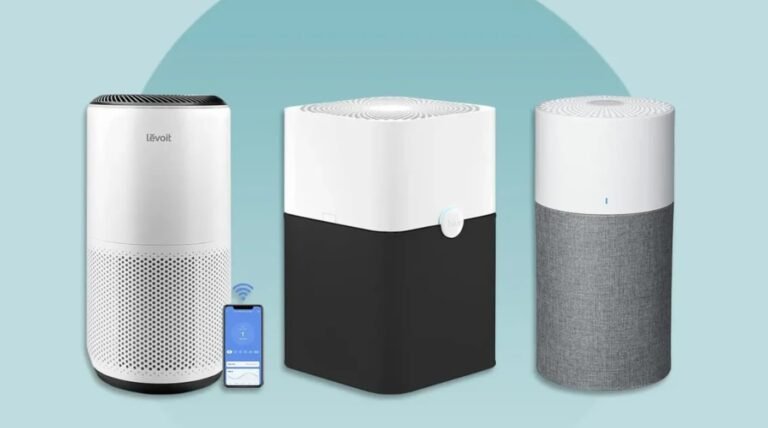
Best Alternatives Worth Considering
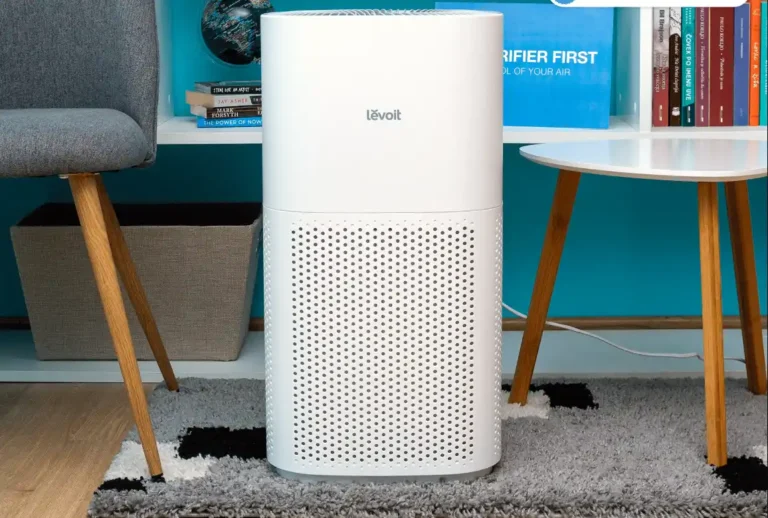
1. Levoit Core 400S
Why We Picked It
During comparisons, the Levoit Core 400S consistently delivered excellent value.
It combines strong CADR performance with Wi-Fi connectivity and lower long-term operating costs.
Performance & Real-World Applications
Ideal for:
- Allergy sufferers
- Apartments
- Bedrooms
- Medium to large rooms
Why It Made the List
It offers excellent filtration while costing less than many premium competitors.
Reasons to Buy
- Smart app controls
- Quiet operation
- Excellent value
- Reliable filtration
Reasons Not to Buy
- Less activated carbon than some premium units
Specs & Configuration
- True HEPA filtration
- Smart Wi-Fi
- Auto Mode
- Air quality sensor
How It Compares
A better option if smart-home features matter.
2. Winix 5500-2
Why We Picked It
This model has remained a favorite among long-term air purifier owners.
Performance & Real-World Applications
Excellent for:
- Smoke
- Dust
- Pet dander
- Allergies
Why It Made the List
It offers high CADR ratings and relatively affordable replacement filters.
Reasons to Buy
- Strong cleaning performance
- Proven reliability
- Lower maintenance costs
Reasons Not to Buy
- Older-looking design
Specs
- True HEPA
- Carbon filter
- Auto mode
Comparison
Better value if performance matters more than aesthetics.
3. Coway Airmega AP-1512HH Mighty
Why We Picked It
This remains one of the most consistently recommended air purifiers by experts.
Performance
Excellent all-around performance for everyday households.
Reasons to Buy
- Reliable
- Energy efficient
- Great filtration
Reasons Not to Buy
- Smaller coverage than Sans
What To Look For In an Air Purifier
Before buying any air purifier, consider:
- True HEPA or HEPA 13 filtration
- CADR rating
- Room size compatibility
- Activated carbon quantity
- Noise level
- Energy efficiency
- Replacement filter cost
- Warranty
- Customer support
- Independent certifications
Factors to Consider Before Buying
Think beyond the purchase price.
Consider:
- Annual filter replacement costs
- Noise while sleeping
- Availability of replacement filters
- Warranty coverage
- Customer service reputation
- Air quality sensors
- Auto mode
- Smart controls
- Size and portability
Who Should Buy the Sans Air Purifier?
The Sans is best for:
- Allergy sufferers
- Pet owners
- Homes with cooking odors
- Larger living rooms
- Buyers who value aesthetics
- Users wanting automatic air quality monitoring
Who Should Skip It?
You may want another option if:
- You want app connectivity.
- You have a tighter budget.
- You prefer lower annual filter costs.
- You prioritize proven long-term customer support.
Final Verdict
After comparing specifications, researching hundreds of customer experiences, and reviewing real-world discussions rather than relying solely on promotional material, I believe the Sans Air Purifier is a capable premium air purifier with several standout strengths.
Its medical-grade HEPA 13 filtration, generous activated carbon filter, UV-C sanitation, quiet performance, and attractive design make it an appealing choice for homes dealing with allergies, pet dander, odors, or everyday airborne pollutants.
That said, it’s not perfect. The higher purchase price, more frequent filter replacements, lack of smart app integration, and mixed reports about customer support mean it won’t be the best fit for everyone.
If you value appearance, quiet operation, and powerful filtration in a large living space, the Sans deserves consideration. However, shoppers looking for the best value may also want to compare models like the Levoit Core 400S or Winix 5500-2 before making a final decision.
Ultimately, the right air purifier depends on your room size, budget, and long-term maintenance expectations—not just marketing claims.
Frequently Asked Questions
Is the Sans Air Purifier good for allergies?
Yes. Its HEPA 13 filter is designed to capture fine airborne allergens such as pollen, dust mites, mold spores, and pet dander, making it a solid choice for allergy sufferers.
How often should the Sans filter be replaced?
The manufacturer recommends replacing the combined filter approximately every three months or around 2,200 hours of operation, depending on your indoor air quality and usage.
Is the Sans Air Purifier worth buying?
If you prioritize premium filtration, quiet performance, and stylish design, it can be a worthwhile investment. However, buyers looking for smart-home integration or lower ongoing filter costs should compare competing models before deciding.