
The truth about air purifiers, dehumidifiers, and what actually stops mold in its tracks
A few summers ago, I noticed a faint musty smell every time it rained. I traced it back to a water stain spreading across my bedroom ceiling, and when I finally got up there with a flashlight, I found it — a patch of black mold, tucked right where the roof had been leaking for who knows how long.
I did what most people do: I panicked, then I opened Amazon and typed “air purifier for mold” into the search bar. Surely a $150 machine could just… fix this? I bought one that same night, plugged it in, and waited to feel better.
I didn’t. Not because the purifier was bad, but because I’d misunderstood what it could actually do. It took months of research, a few conversations with an indoor air quality specialist, and a lot of trial and error before I understood the real relationship between air purifiers and mold. This article is everything I wish someone had told me on day one — no fluff, no sales pitch, just what actually works.
How Do Air Purifiers Work?
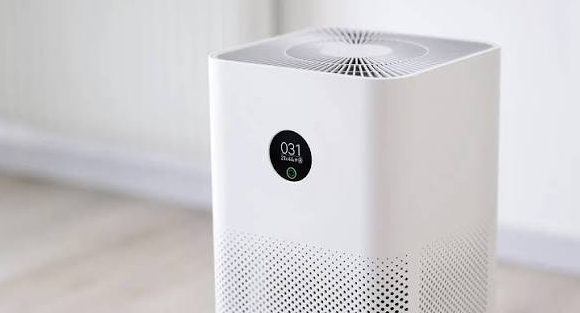
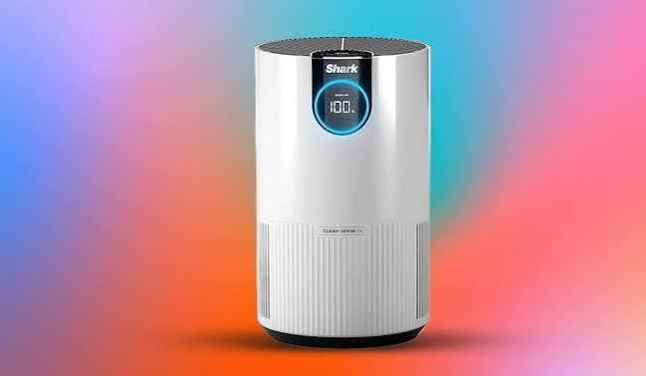
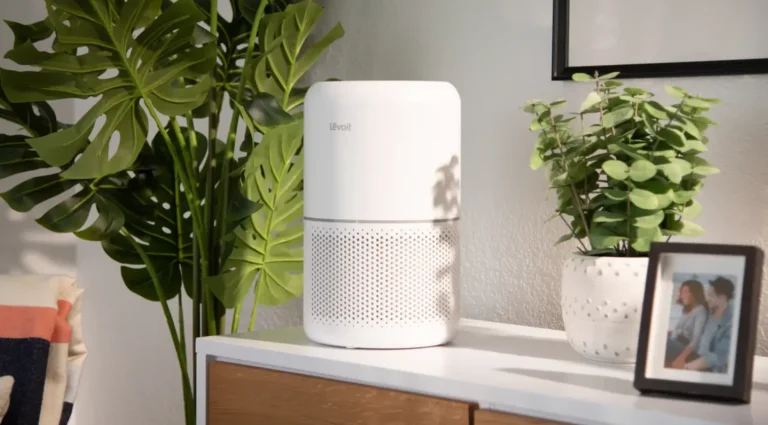
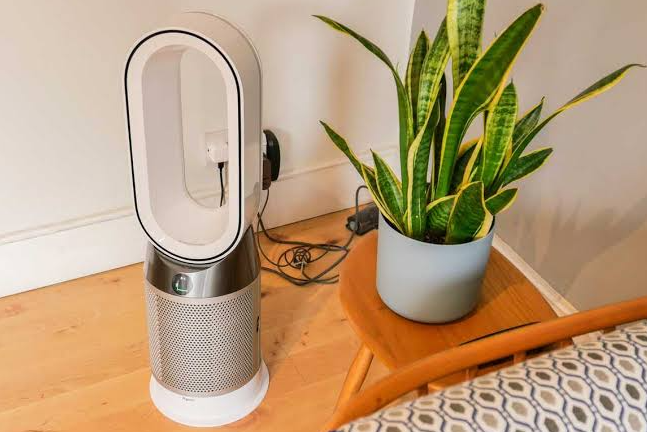
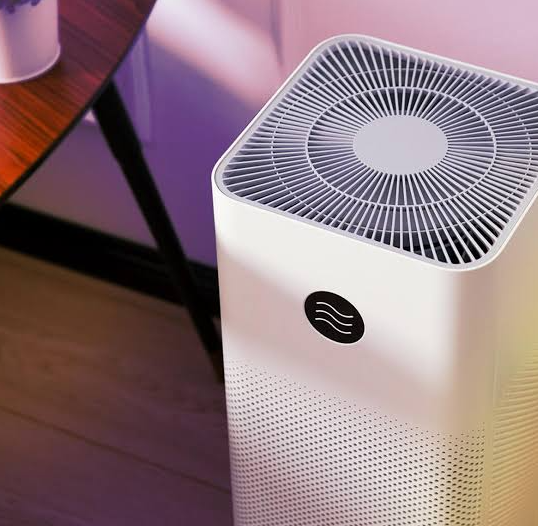
An air purifier is essentially a fan pulling room air through a series of filters and then pushing clean air back out. Depending on the model, those filters might include a pre-filter (for large particles like hair and dust), a HEPA filter (for fine particles), an activated carbon filter (for odors and gases), and sometimes a UV-C light stage.
Here’s the part that surprised me: air purifiers only clean the air that passes through them. They don’t reach into your walls, your ceiling cavity, your HVAC ducts, or the mold quietly growing on a damp windowsill. In my case, the mold on my ceiling was a surface colony feeding on moisture trapped behind drywall — no amount of air circulation was going to touch that.
So an air purifier’s real job is narrow but useful: it captures mold spores that have already become airborne, reducing what you breathe in. It’s a symptom manager, not a cure.
How Effective Are Air Purifiers for Indoor Air Quality?
Once I recalibrated my expectations, I actually became a fan of my purifier — just for a different reason. Studies from the EPA and various indoor air quality researchers consistently show that HEPA-based purifiers can remove the vast majority of airborne particulates, including dust, pet dander, pollen, and yes, mold spores, when spores are actively floating through the room.
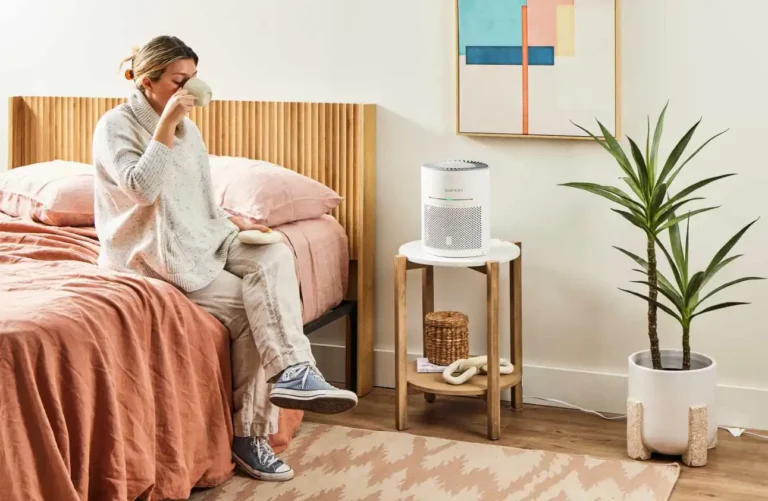
In my own experience, running the purifier in my bedroom noticeably cut down on that “stuffy, musty” feeling within about a week. I also picked up a cheap digital hygrometer (under $15) and started tracking humidity, which is honestly more useful data than most people realize. My bedroom regularly sat at 62-65% humidity — well above the 50% threshold most mold experts recommend staying under.
That’s the real insight: an air purifier improves the air you breathe right now. It does nothing to change the underlying environment that lets mold keep growing. Both things can be true at once, and understanding that distinction is the whole game.
What Kills Mold Spores in the Air?
This is where people get tripped up, because “capturing” and “killing” are not the same thing.
- HEPA filtration traps spores in the filter media — it doesn’t kill them, but it does physically remove them from circulation so you’re not inhaling them.
- UV-C light can damage the DNA of mold spores and some bacteria, deactivating their ability to reproduce, but only if the spore has enough direct exposure time and intensity — something table-top purifiers with a quick UV pass-through often can’t fully guarantee.
- Activated carbon doesn’t kill anything; it adsorbs the musty gases (called MVOCs, or microbial volatile organic compounds) that mold produces, which is why moldy rooms smell the way they do.
- Ozone generators technically can kill mold spores on contact, but I’d steer clear of these entirely — the ozone levels needed to meaningfully affect mold are also harmful to breathe, and the EPA has specifically warned against marketing ozone machines as air cleaners for occupied spaces.
Bottom line: nothing in a standard air purifier kills the mold colony itself. The only things that actually kill mold at the source are moisture control, physical cleaning (with products like a diluted bleach solution or commercial mold removers), and in serious cases, professional remediation.
Air Purifier vs. Dehumidifier: Which Is Better for Mold?
If I could go back and give myself one piece of advice, it would be this: buy the dehumidifier first.
Mold needs three things to grow — moisture, a food source (drywall, wood, dust), and the right temperature. Of those three, moisture is the only one you can realistically control in an existing structure. A dehumidifier pulls water out of the air, which directly starves mold of the humidity it needs to spread. An air purifier does nothing for moisture at all.
I ended up running both. My dehumidifier (a mid-size unit similar to Frigidaire’s 50-pint models) brought my bedroom humidity down from the low 60s to a steady 45%, and within a few weeks I noticed the mold patch had stopped visibly spreading. My air purifier kept handling the airborne spore side of things in the meantime.
Here’s the simple way to think about it:
If you can only afford one device and you have an active mold problem, get the dehumidifier. If your goal is just cleaner everyday air and mold isn’t visibly present, a purifier is the better standalone pick.
Which Air Purifier Is Best for Mold?
If you do go the purifier route — and I’d still recommend one even alongside a dehumidifier — here’s what actually matters when comparing models, based on what I learned (some of it the hard way).
1. HEPA Filters
Look for “True HEPA” specifically, not just “HEPA-type” or “HEPA-like,” which are marketing terms that don’t meet the actual HEPA standard. True HEPA filters capture 99.97% of particles at 0.3 microns — and mold spores, which typically range from 2 to 10 microns, are actually easier to trap than that benchmark size. Even an H12-rated filter, which some assume is a downgrade, is highly effective for mold spores specifically.
2. UV-C Light Technology
This is a nice-to-have, not a must-have. If a model includes it, treat it as a bonus layer for bacteria and some spores, not the main event. Don’t pay a huge premium for UV-C alone.
3. Activated Carbon Filters
This is the feature that actually solves the “why does my room still smell musty” problem, since HEPA alone won’t touch odor-causing gases. If your mold issue comes with a smell (mine did), prioritize a purifier with a substantial carbon filter layer, not just a thin carbon-infused sheet.
4. Coverage Area
Match the purifier’s rated square footage to your actual room size, and size up if possible. A purifier rated for 300 sq ft in a 300 sq ft room will run constantly on high to keep up — sizing up gives you quieter, more efficient coverage.
5. CADR (Clean Air Delivery Rate)
This is the number I wish I’d understood sooner. CADR tells you how much filtered air the unit actually delivers per minute, and it’s a far better indicator of real performance than filter type alone. For a mold-prone room, look for a smoke/dust CADR rating of at least 200+.
6. Noise Level
I run mine overnight, so noise mattered more than I expected. Look for a stated decibel rating on low/sleep mode — anything under 40dB is comfortable for a bedroom.
7. Energy Efficiency
Running a purifier and a dehumidifier simultaneously adds up on your electric bill, especially since dehumidifiers are notably power-hungry. Look for Energy Star certification on both devices if you’re running them long-term, since it made a noticeable difference on my monthly bill.
Conclusion
Here’s what I know now that I didn’t know when I found that first patch of mold on my ceiling: an air purifier is a genuinely helpful tool, but it was never going to be my fix. It cleans the air you’re breathing today; it doesn’t touch the reason mold keeps coming back.
If you’re dealing with an active, ongoing mold problem, the real priorities are, in order: control the humidity (dehumidifier + hygrometer), find and repair the moisture source, physically clean or professionally remediate the existing mold, and then use an air purifier to manage the airborne spores in the meantime. Skipping straight to a purifier and hoping it solves everything is exactly the mistake I made — and exactly why my mold patch didn’t budge for months.
If you’re renting and can’t get your landlord to address the root cause, document everything, keep humidity under 50% with a dehumidifier, run a HEPA purifier for daily air quality, and look into your local tenant habitability laws — many areas legally require landlords to remediate mold, especially when it stems from a structural leak.
FAQs
Can an air purifier completely remove mold from my home? No. An air purifier can only capture mold spores that are already floating in the air — it can’t remove mold growing on surfaces, in vents, or inside walls. Removing existing mold requires physical cleaning or professional remediation, plus fixing the moisture source that’s feeding it.
Do I need both an air purifier and a dehumidifier? For an active mold problem, yes, ideally. The dehumidifier addresses the root cause (excess moisture), while the air purifier manages the airborne spores you’re breathing in the meantime. If you can only choose one and mold is currently active, prioritize the dehumidifier.
Is it safe to sleep in a room with mold if I run an air purifier? Running a HEPA air purifier will meaningfully reduce the spore count you’re breathing, but it doesn’t make the room mold-free. If the mold is extensive (especially black mold covering a large area, in your HVAC vents, or behind walls with a persistent leak), it’s worth relocating or sealing off the affected room until it’s properly remediated, since a purifier alone isn’t a guaranteed safety net for heavy exposure.