
A few months ago, my room started feeling… off. Not dramatic, just that subtle discomfort you ignore at first. My eyes were constantly dry in the morning, my breathing felt a bit heavy at night, and somehow even sleep wasn’t as refreshing as it used to be. I kept thinking it was stress or maybe just the weather changing.
Then one evening, while scrolling through Reddit and product reviews way too late (you know how that goes), I realized something: I wasn’t just dealing with one problem. It was air quality + dryness at the same time. And that’s where the confusion started—do I need an air purifier, a humidifier, or both?
Honestly, I wasn’t expecting this decision to feel so complicated.
Brief Overview
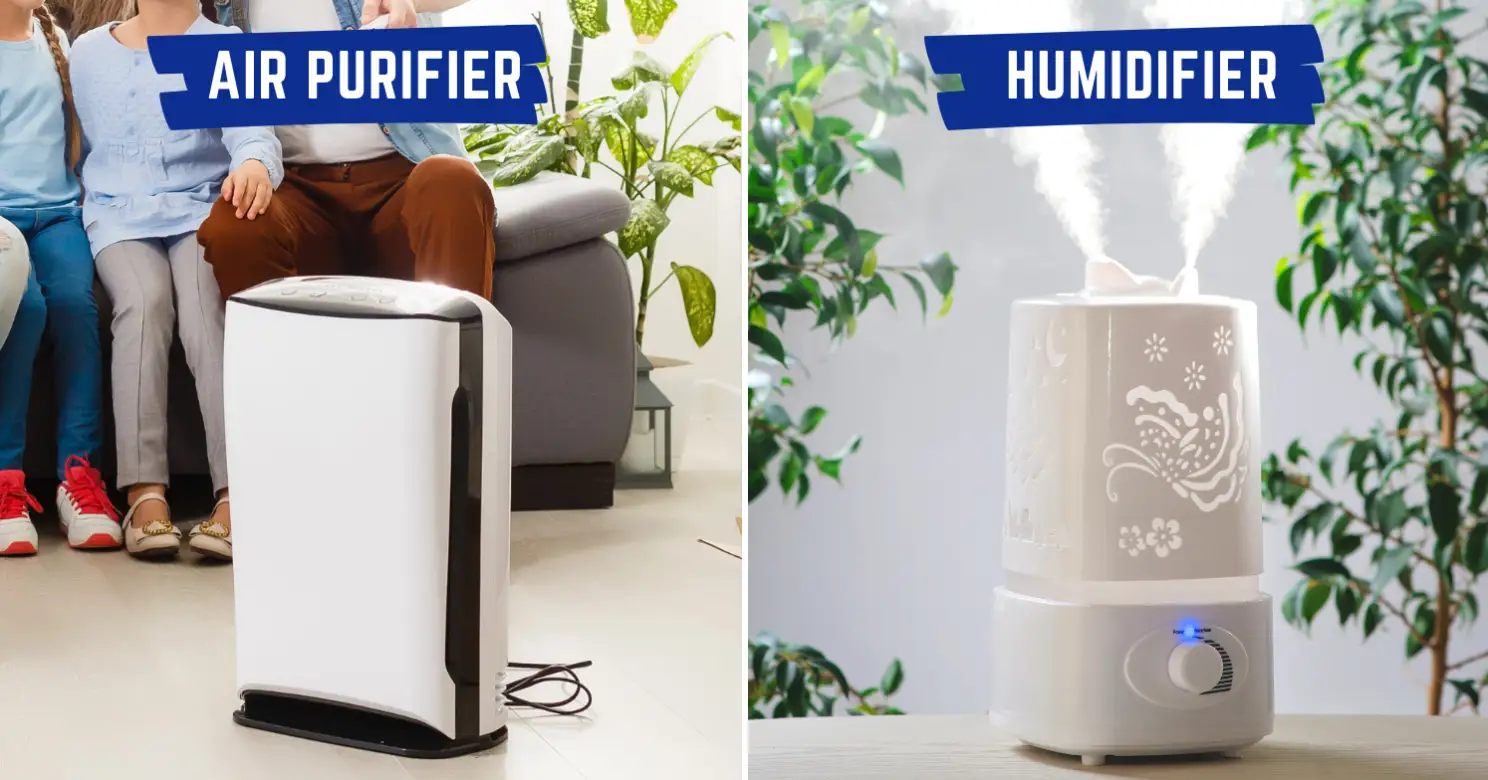
An air purifier cleans the air by filtering out pollutants like dust, pet dander, and allergens. A humidifier conditions the air by adding moisture to relieve dry skin, chapped lips, and respiratory discomfort. You need a purifier for health and allergies, and a humidifier for seasonal dryness.
Air Purifiers work by pulling indoor air through fine filters such as True HEPA and activated carbon, then circulating cleaner air back into the room. They are best for allergy sufferers, asthma relief, smoke reduction, and removing pet dander. They effectively clean the air but require regular filter replacements and do not change humidity or temperature. Premium examples include Dyson Purifier models or more affordable options like Xiaomi and Levoit air purifiers.
Humidifiers add moisture into dry indoor air through vapor or steam. They are ideal for winter dryness, heating systems, sinus irritation, and dry skin. They provide fast relief but need frequent cleaning and refilling to prevent bacteria or mold growth.
The verdict is simple: they do different jobs. Choose an air purifier for allergies, dust, and pollution. Choose a humidifier for dryness-related discomfort. If you suffer from both issues, you can use both devices together or consider combo units like the Turonic PH950 Air Purifier and Humidifier, although separate devices often perform better in real-world conditions.
Quick Picks Section
Best Overall Air Purifier
👉 Levoit Core 300S
Balanced performance, affordability, and reliability for most users.
Best Smart Option
👉 Xiaomi Smart Air Purifier 4 Pro
Great for automation, monitoring, and higher airflow needs.
Premium All-in-One Option
👉 Dyson Purifier Humidify+Cool
Best for design lovers who want one device for everything.
The Real Problem Most People Don’t Realize
When I first started researching, I thought it was simple: buy a purifier, breathe better. But the deeper I went, the more confusing it got.
- My room is around 25m² with high ceilings
- Outside air pollution is pretty bad
- Windows stay closed most of the time
- I had allergy-like symptoms + dry eyes
So I wasn’t just fighting dust—I was also dealing with low humidity and trapped indoor pollutants.
That’s exactly what most Reddit users were saying too: people don’t realize these are two different problems.
Engaging Introduction – Why This Decision Actually Matters
Air quality isn’t just a “comfort upgrade” anymore—it’s directly linked to sleep, allergies, and even long-term breathing health. A poorly ventilated room can trap dust, smoke particles, and allergens, while overly dry air can irritate your eyes, throat, and skin.
The tricky part? Both problems feel similar at first. You wake up tired, your throat feels dry, your eyes sting a little… and you assume it’s just lifestyle or stress.
But technically:
- Air purifiers target airborne particles
- Humidifiers target moisture levels
And mixing them up leads to wasted money or poor results.
Quick Tips for Shopping
Before jumping into products, here are a few things I learned (sometimes the hard way):
- Don’t assume “combo devices = better value”
- Always check room size (m² coverage) before buying
- CADR matters more than brand hype
- Avoid ionizers if you’re sensitive to ozone concerns
- Separate units usually perform more efficiently than 2-in-1 systems
- Replace filters regularly or performance drops fast
Oh, and one more thing—don’t overthink it like I did for weeks.
Air Purifiers vs Humidifiers (What They Actually Do)
Air Purifiers
Air purifiers pull air into the system, pass it through filters like True HEPA and activated carbon, and release cleaner air back into your room. They are designed to reduce airborne particles like dust, pollen, smoke, and pet dander.
They are especially useful if you:
- Suffer from allergies or asthma
- Live in polluted or dusty environments
- Want cleaner air for better sleep
Pros:
- Actually removes pollutants from air
- Improves allergy and breathing symptoms
- Works continuously with low effort
Cons:
- Filters need replacement
- Doesn’t improve dryness or humidity
- Performance depends on CADR and room size
👉 Top picks often discussed include Levoit Core series, Xiaomi Smart Air Purifier 4/4 Pro, and premium systems like Dyson Purifier models.
Humidifiers
Humidifiers add moisture into dry indoor air by releasing water vapor or steam. This helps reduce dryness-related issues like cracked lips, sinus irritation, and dry skin.
They are best for:
- Dry winter environments
- Rooms with heating systems
- People with nose or throat dryness
Pros:
- Fast relief for dryness symptoms
- Improves comfort during sleep
- Helps reduce irritation in nasal passages
Cons:
- Needs frequent refilling
- Requires cleaning to prevent bacteria buildup
- Overuse can make air too humid
So… Do You Need One or Both?
Here’s the honest breakdown:
- Air purifier → cleans dirty air
- Humidifier → fixes dry air
You don’t pick one because they compete—you pick one based on your actual problem.
- If allergies, dust, or pollution are your issue → go purifier
- If dryness, throat irritation, or static shock is your issue → go humidifier
- If both → use both (separately, not combo in most cases)
Product Reviews (Based on Real User Experience + Reddit Insights)
1. Levoit Core 300S Air Purifier
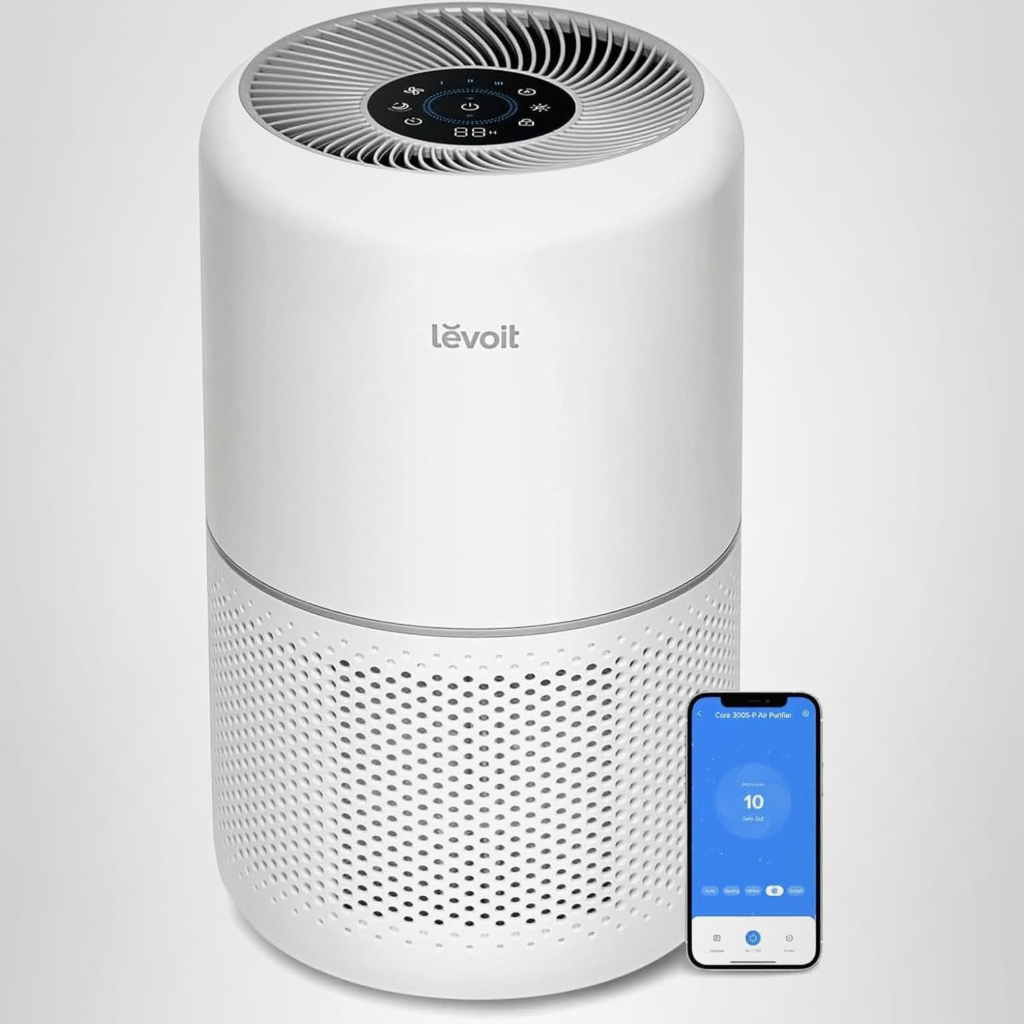
The Levoit Core 300S is one of the most popular compact air purifiers, especially for small to medium rooms. It uses a True HEPA filter system and is widely praised for its balance between price and performance.
In real-world usage, it fits perfectly in rooms around 20–40m², which makes it a strong match for typical bedrooms. The smart app control allows scheduling and timer functions, which honestly makes it feel effortless once set up.
Key features:
- True HEPA filtration system
- Smart app control (scheduling & monitoring)
- Quiet sleep mode
- Compact design for bedrooms
Benefits:
Perfect for allergy sufferers, students, or anyone wanting cleaner air while sleeping or working in a small room.
Summary
The Levoit Core 300S delivers strong air cleaning performance for its size and price. It’s simple, reliable, and great for everyday use, especially in bedrooms.
Strengths:
- Affordable filters
- Quiet operation
- Good CADR for small rooms
Weaknesses:
- Not ideal for large spaces
- No humidity control
2. Xiaomi Smart Air Purifier 4 / 4 Pro
The Xiaomi Smart Air Purifier 4 series is designed for users who want smart features combined with strong purification performance. It includes app control, real-time air quality monitoring, and a modern minimalist design.
What stood out during research is its strong CADR rating for its price range. However, some users raised concerns about the ionizer feature, which made a few buyers cautious.
Key features:
- High CADR performance
- Smart home integration
- Air quality display sensor
- App-based controls
Benefits:
Great for tech users who want automation and real-time monitoring, especially in polluted urban environments.
Summary
Xiaomi’s purifier line offers excellent performance per price and smart functionality, making it a strong competitor in mid-range air purifiers.
Strengths:
- Strong airflow and CADR
- Smart features included
- Good value for money
Weaknesses:
- Ionizer concerns for sensitive users
- Slight learning curve for app setup
3. Dyson Purifier Humidify+Cool
The Dyson Purifier Humidify+Cool is an all-in-one system combining air purification, humidification, and fan cooling. It’s clearly positioned as a premium lifestyle device.
While the design and multi-functionality are impressive, many users—including Reddit discussions—point out that its air purification performance doesn’t match standalone purifiers in the same price range.
Key features:
- 3-in-1: purifier + humidifier + fan
- Advanced filtration system
- Sleek modern design
- App + remote control
Benefits:
Best suited for users who want a single elegant device instead of multiple machines.
Summary
Dyson offers convenience and design in one package, but compromises on pure air purification performance compared to dedicated units.
Strengths:
- Multi-function device
- Premium design
- Easy smart controls
Weaknesses:
- Lower airflow than competitors
- Expensive for performance
- Not ideal for heavy pollution
FAQs
1. Do I need both an air purifier and humidifier?
Yes, if you have both allergies and dryness issues. Otherwise, choose based on your main problem.
2. Can a combo device replace both units?
Not usually. Most combo units perform weaker than separate specialized devices.
3. Is an air purifier enough for allergies?
Yes, especially models with HEPA filters like Levoit or Xiaomi.
4. Do humidifiers help with breathing problems?
They help if dryness is the cause, but not for allergens or pollution.
5. Are ionizers safe in air purifiers?
Some are CARB-certified and safe, but many users prefer avoiding them due to uncertainty.
Final Summary
Choosing between an air purifier and humidifier really comes down to understanding your environment—not just buying popular products.
If your main issue is dust, pollution, or allergies, an air purifier will genuinely improve your daily comfort and sleep quality. If your problem is dryness, irritation, or seasonal discomfort, a humidifier will make a noticeable difference almost immediately.
And if you’re dealing with both (like I was), separate devices usually perform better than combo machines, even if combo units look more convenient on paper.
At the end of the day, the “best” choice isn’t the most expensive one—it’s the one that matches your actual room conditions.
You can find most of these products on Amazon with frequent discounts, seasonal deals, and fast shipping depending on your region. Always check reviews and room-size compatibility before buying.
Amazon Affiliate Disclaimer
This article may contain affiliate links. If you purchase through these links, we may earn a small commission at no extra cost to you.