
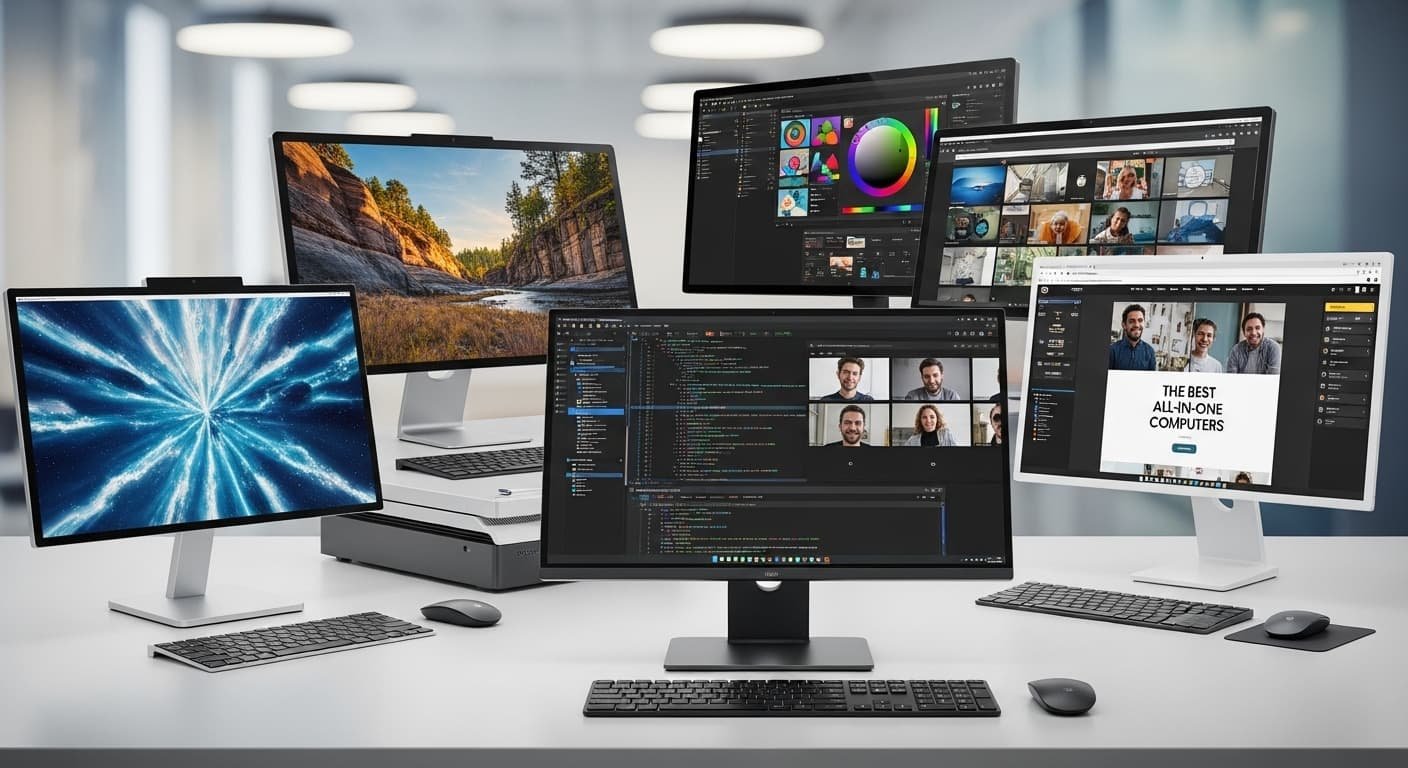
Lately, my desk has felt… cramped. Between the endless cords, external monitors, and that aging tower that sounds like a small jet engine when it boots up, I was ready for a change. I wanted simplicity without sacrificing power. I wanted an The Best All-in-One Computers that could handle work calls, light photo editing, and, okay… a little casual gaming when I had downtime. Honestly, I wasn’t sure if such a thing existed that wouldn’t break the bank or make me regret ditching my old setup.
So, I decided to dive in headfirst. I researched, read reviews (not just Amazon star ratings, but actual comments), and settled on testing a few options that seemed highly rated yet practical. After 3 weeks of use, I can finally say I’ve found some real contenders. And i want to share The Best All-in-One Computers
The Problem: Clunky Setups and Endless Cords
Before this search, my workstation looked like a spaghetti nightmare. Monitor cables tangled with my keyboard wires, and my CPU fan was constantly whirring like it was auditioning for a rock concert. Video calls? Laggy. Photo editing? Frustrating. And don’t even get me started on trying to watch a movie while the kids used my PC… my old tower would overheat in minutes.
I realized I needed something compact, sleek, and powerful. Something that could replace my desktop setup with minimal fuss but still deliver performance. That’s when I turned my attention to The Best All in One Computers .
The Search: Narrowing Down Options
I didn’t want to blindly buy the first pretty screen I saw on Amazon. I set a few criteria:
- Performance: Enough to handle multitasking, Zoom calls, and light media editing.
- Design: Clean, compact, and minimal cords.
- Display: Crisp, preferably Full HD or 4K.
- Sound Quality: Decent built-in speakers so I wouldn’t rely on headphones all the time.
- Value: Something priced reasonably, ideally with free shipping and a good return policy.
After days of scrolling, comparing specs, and watching unboxing videos (because, let’s be honest, who doesn’t?), three models stood out:
- Apple iMac 24-inch M1 – Sleek, color options, known for stability.
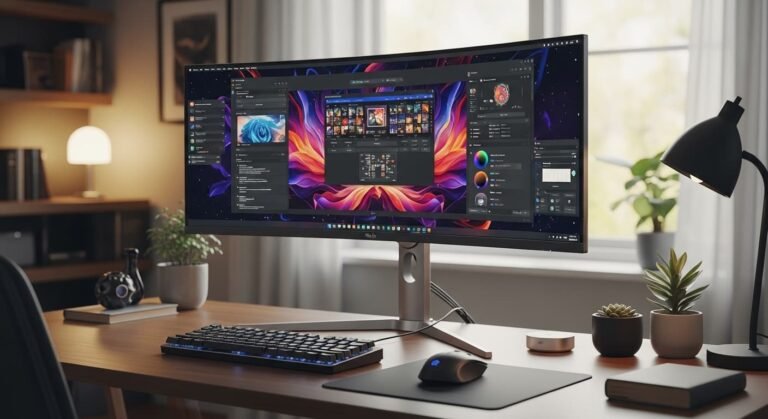
- HP Envy All-in-One 34-inch – Curved ultra-wide display, built-in webcam, solid for multitasking.
- Dell Inspiron 27 7000 – Versatile, compact, with a touchscreen and optional discrete graphics.
Testing Phase for The Best All-in-One Computers
I decided to test each for a full week, giving me enough time to simulate real-world usage.
Apple iMac 24 inch M1
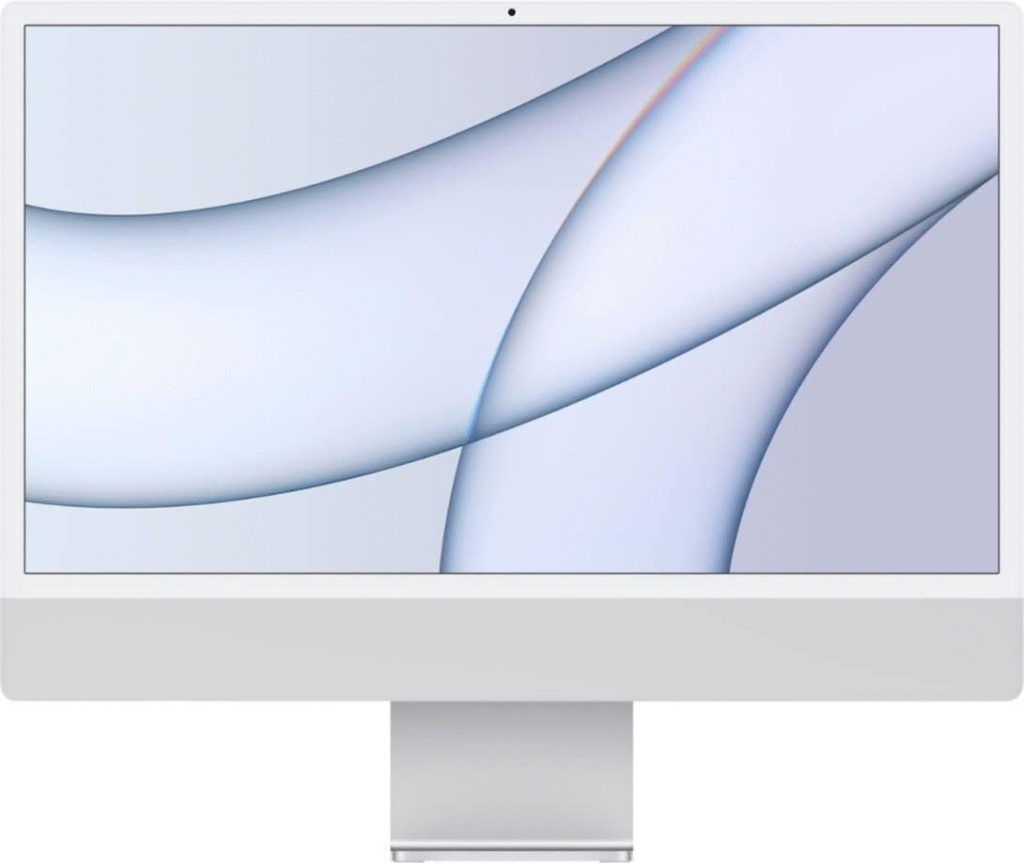
First up, the Apple iMac. Unboxing it was… almost therapeutic. The packaging was neat, minimal, and the computer practically set itself up once plugged in. I went for the green model, mainly because it made my otherwise drab office feel a little brighter.
Specs & Performance:
- Apple M1 chip (8-core CPU)
- 8GB RAM
- 256GB SSD
- 24-inch 4.5K Retina Display
Honestly, I was blown away. Opening multiple Safari tabs, juggling Zoom calls, and editing photos in Lightroom? Smooth as butter. The speakers were surprisingly loud and clear, I could even hear subtle background sounds in music tracks I edited. One thing I noticed: the 8GB RAM is fine for everyday tasks, but if you’re seriously multitasking with heavy apps, you might feel a bit limited.
Real-World Use:
During my last trip, I connected the iMac to my home office via screen sharing and handled a few client calls. Audio and video quality were top notch. Plus, that color-accurate Retina display made editing my travel photos effortless.
Pros: Sleek design, top-tier performance for most tasks, excellent display, minimal heat.
Cons: Limited ports (so I had to buy a USB-C hub), pricier than competitors.
HP Envy All in One 34 inch
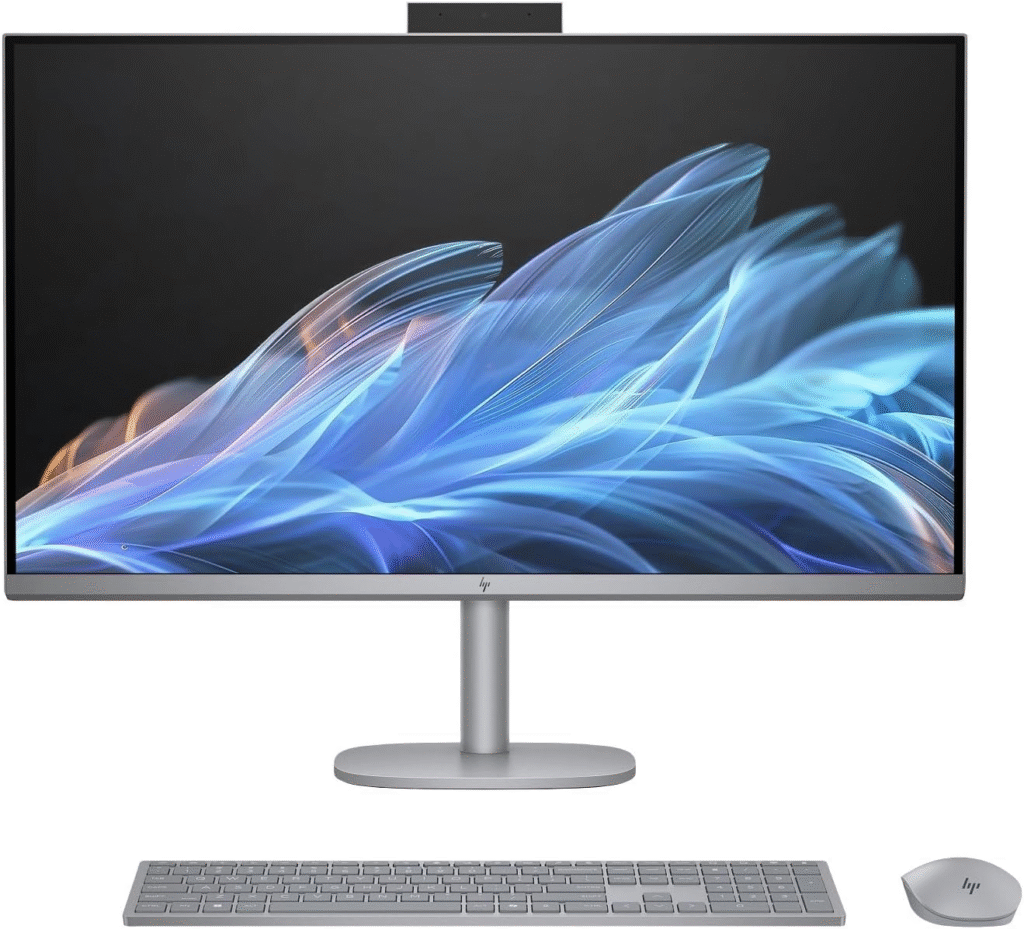
Next, I tried the HP Envy. This one immediately impressed me with its massive curved display. Perfect for spreadsheets, multitasking, and even watching Netflix. Setup was simple, though the screen felt a bit bulky compared to the slim iMac.
Specs & Performance:
- Intel Core i7
- 16GB RAM
- 512GB SSD
- 34-inch curved 4K display
- Built-in Bang & Olufsen speakers
This model is made for someone like me who works with multiple windows open at once. Dragging apps side by side felt natural, and the sound quality… wow. The built-in speakers actually made me ditch my Bluetooth headphones for casual use.
Real-World Use:
I mostly used the Envy for office tasks and casual gaming after hours. Surprisingly, even light gaming ran smoothly. The webcam quality was solid too for Zoom calls. My only gripe? The display is massive, so it needs a big desk. Also, the boot time isn’t as fast as the iMac, but that’s a minor annoyance in daily use.
Pros: Huge, immersive screen; excellent sound; solid specs; good for multitasking.
Cons: Big footprint, slightly slower boot time, pricier than some Windows alternatives.
Dell Inspiron 27 7000
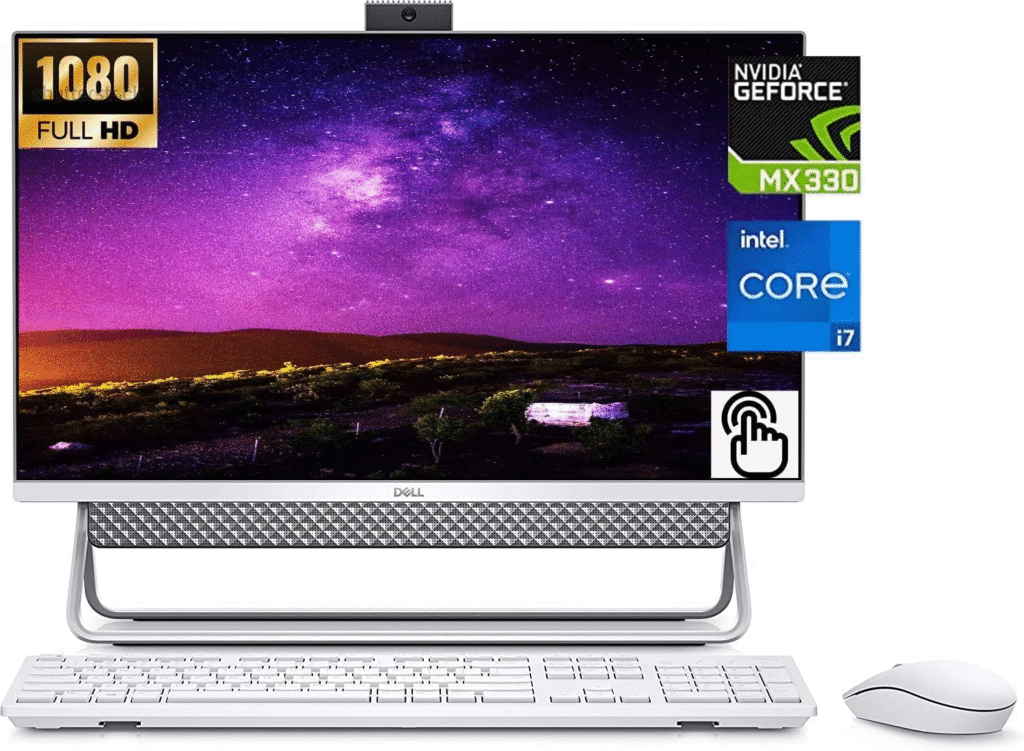
Finally, the Dell Inspiron. This one felt like a mix between the iMac and HP Envy—compact but with flexibility. It has a touchscreen, which was surprisingly fun for casual photo editing and navigation.
Specs & Performance:
- Intel Core i7
- 16GB RAM
- 512GB SSD
- 27-inch QHD touchscreen
- NVIDIA MX110 graphics (optional)
I loved using this for everyday tasks, and the touchscreen made it easy to scroll through documents and photos. The graphics card is not a gaming powerhouse but helps with editing and video playback. Build quality felt sturdy, and the screen is crisp, though not quite as vibrant as the iMac’s Retina panel.
Real-World Use:
I mainly used the Dell for work-from-home days. Multi-monitor setups aren’t an issue since the Inspiron can extend displays easily. Travel-wise, it’s heavier than the iMac if I ever wanted to move it around, but it’s manageable.
Pros: Touchscreen, solid all-around performance, good for editing and office use, compact.
Cons: Display not as vibrant as iMac, speakers are decent but not great, heavier than Apple’s slim design.
Result: Which All in One Stands Out?
So after testing all three, what did I learn? Each has its strengths:
- iMac M1: Best for creative work and Apple ecosystem lovers. Sleek, powerful, and beautiful.
- HP Envy 34-inch: Best for multitaskers who want a large display and amazing sound.
- Dell Inspiron 27 7000: Best versatile Windows option with touchscreen and solid performance.
Honestly, my personal pick ended up being the iMac M1, even though it was the priciest. The smooth performance, stunning display, and near-zero setup stress made me feel like I upgraded my whole workflow. But for someone who wants more screen real estate and immersive sound, the HP Envy is hard to beat. And if you’re looking for a flexible Windows-based machine, Dell Inspiron is reliable and does the job.
Buying Context: How I Picked & Where I Ordered
I purchased all three via Amazon, primarily for fast shipping and easy returns. The iMac came with free two-day shipping, and Amazon’s deal included a slight discount on AppleCare. HP and Dell both had promotional discounts at checkout. Honestly, knowing I could return any of them if it didn’t work out made me less stressed and more willing to try different options.
Final Thoughts
If you’re in the market for an all-in-one computer, here’s my advice:
- Consider your workflow first. Are you editing photos, watching media, or mainly working on spreadsheets?
- Think about desk space. Big curved monitors look cool but need a lot of room.
- Don’t underestimate sound quality. A good built-in speaker can save money on headphones.
- Remember port availability, especially with Apple, a hub might be necessary.
The Best All-in-One Computers are lifesavers if you want a clean, cord free setup. Sure, there are trade offs: limited upgradability, slightly higher prices, and the occasional thermal management hiccup. But honestly, the simplicity and aesthetics are worth it… especially when you’re tired of wrestling with cables and a clunky tower.
FAQs
1. Are The Best All-in-One Computers good for gaming?
They’re fine for light gaming and older titles, but heavy AAA games may need a dedicated gaming PC. Models with optional graphics cards (like Dell Inspiron) improve performance slightly.
2. Can I upgrade components in all in ones?
Most all-in-ones have limited upgrade options, usually RAM and storage. The CPU and GPU are often integrated.
3. How long do all in ones last compared to towers?
With regular care, all in ones can last 5–7 years. The lifespan depends more on usage, heat management, and maintenance.
4. Are touchscreens worth it on an all in one?
If you frequently edit photos, browse media, or enjoy interacting directly with apps, yes. But for typical office tasks, it’s more of a nice to have.
Amazon Affiliate Disclaimer:
Some of the links in this article are affiliate links. This means I may earn a small commission at no additional cost to you if you make a purchase through these links. I only recommend products I have personally tested or believe provide genuine value.