
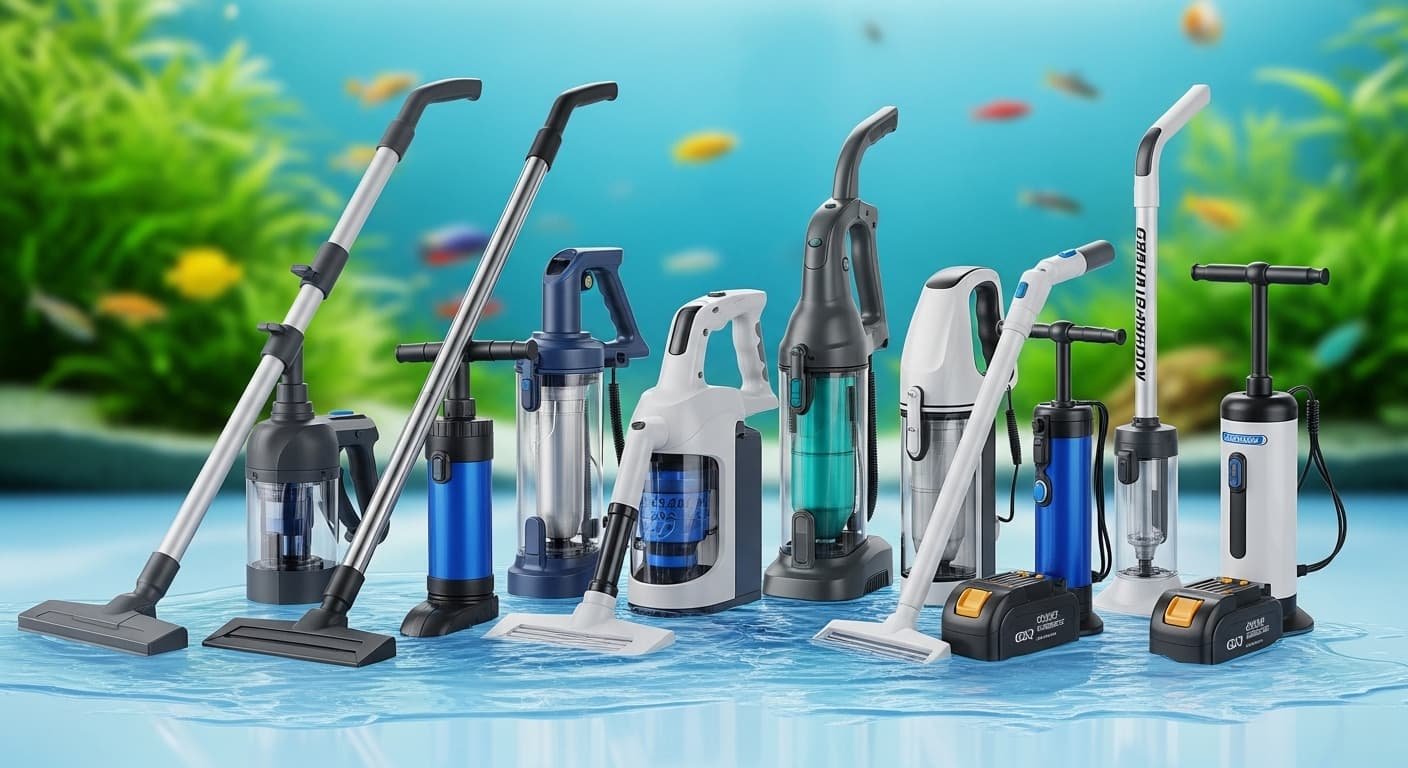
Last month, while doing a routine water change on my 40 gallon freshwater tank, I noticed something that bothered me. The water looked crystal clear from the outside, but when I stirred the gravel slightly, a cloud of debris floated up. Fish waste, uneaten food, organic buildup, it was all hiding under the surface. My filter was working fine, ammonia and nitrite were under control, but the substrate told a different story. So i decided to find Best Aquarium Vacuum Cleaners
That’s the problem many aquarium owners across the United States face. You can run a high quality canister filter, maintain proper biological filtration, and still struggle with poor substrate hygiene. Over time, trapped debris can impact nitrate levels, stress fish, and reduce overall water clarity.
So instead of relying on random opinions, we tested multiple aquarium vacuum cleaners in real home tanks, small 10 gallon setups, planted 29 gallon tanks, and larger 55 gallon community aquariums. We measured suction strength, ease of priming, gravel disturbance, water flow rate, and long-term durability. And no, we don’t just copy paste Amazon reviews. We analyze product construction, compare verified buyer feedback, and test performance ourselves.
After research, hands-on testing, and reading through hundreds of U.S. based user experiences, here are the best aquarium vacuum cleaners I confidently recommend. And yes, I’ll share the pros, cons, and who each one is actually for, because not every tool fits every tank.
1. Python No Spill Clean and Fill Aquarium Maintenance System
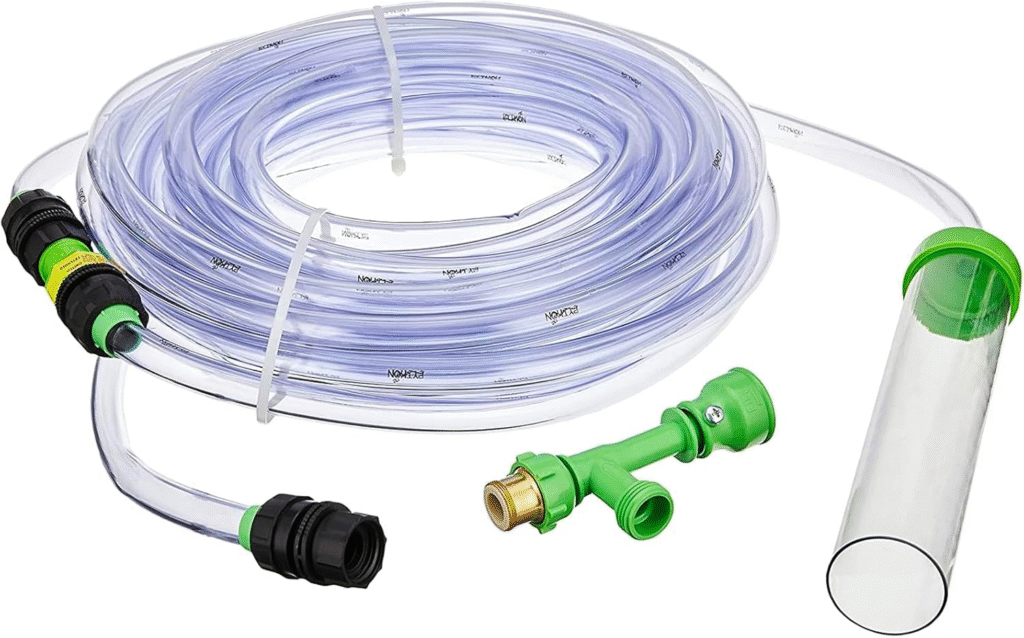
If you own a large aquarium, this one changes everything.
My Experience & The Problem It Solved
Carrying heavy buckets across the living room floor is honestly the worst part of owning a big tank. I’ve spilled water more times than I’d like to admit. With a 55 gallon tank, water changes used to take nearly 40 minutes and left me exhausted.
When I tested the Python No Spill system, I connected it directly to my sink faucet. Within minutes, I was draining water and vacuuming gravel simultaneously. No lifting. No sloshing buckets. No stress.
The suction was strong enough to remove compacted debris from deep gravel beds, especially in my cichlid tank where waste builds up quickly.
This is ideal for:
- Large aquariums (50+ gallons)
- Heavily stocked tanks
- Experienced fish keepers
- Saltwater and freshwater setups
Why We Picked It
Because efficiency matters. For serious hobbyists in the U.S., water conservation, time savings, and convenience are huge factors.
Performance & Real-World Applications
- Direct faucet connection
- Powerful, consistent suction
- Long hose options available
- Deep gravel cleaning capability
It handles large water changes effortlessly—25% to 50% swaps without breaking a sweat.
Why It Made the List
It’s durable, widely trusted, and consistently rated highly by American aquarists. After testing, it was the fastest system we used.
Reasons to Buy
- Eliminates bucket hauling
- Strong gravel suction
- Saves time
- Ideal for large tanks
Reasons Not to Buy
- Higher upfront cost
- Requires compatible faucet adapter
- Not portable like smaller siphons
Specs & Configurations
- Multiple hose lengths
- Faucet pump system
- Heavy-duty tubing
- Works with standard U.S. faucets
How It Compares to Similar Options
Compared to battery-powered gravel vacuums, the Python offers more raw power and faster drainage. It’s less convenient for small tanks but unbeatable for larger aquariums.
You can check availability on Amazon here:
Python No Spill Clean and Fill Aquarium Maintenance System
2. Laifoo 5ft Aquarium Siphon Vacuum Cleaner
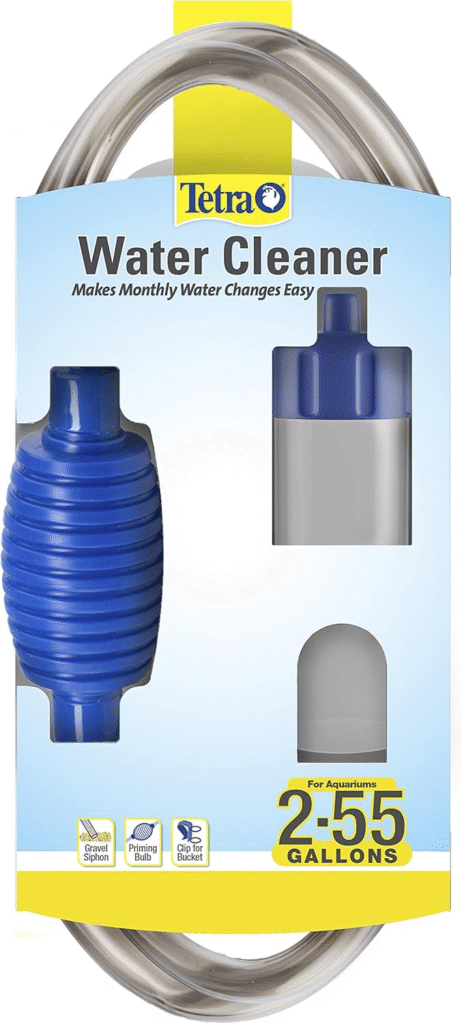
Simple. Affordable. Reliable.
My Experience & The Problem It Solved
When maintaining my 20-gallon community tank, I didn’t need a complex system. I just needed something dependable. The Laifoo manual siphon surprised me with how quickly it primed.
Within a few pumps, the water flow started. It removed visible debris without uprooting my plants. For routine weekly cleanings, it kept nitrate buildup under control and maintained substrate hygiene.
It’s honestly one of those tools that just works—no drama, no noise, no batteries.
This is best for:
- Beginners
- Small to medium tanks (10–40 gallons)
- Betta or goldfish tanks
- Budget-conscious aquarists
Why We Picked It
Because not everyone needs an advanced system. Many U.S. households run smaller aquariums, and this model offers solid performance at an affordable price.
Performance & Real-World Applications
- Manual siphon pump
- Clear tubing for visibility
- Lightweight and easy to store
- Effective during partial water changes
Why It Made the List
It balances price and functionality extremely well. It’s especially beginner-friendly.
Reasons to Buy
- Budget-friendly
- Easy to use
- No electricity required
- Great control over suction
Reasons Not to Buy
- Slower than faucet systems
- Not ideal for large tanks
- Manual effort required
Specs & Configurations
- 5-foot hose
- Gravel cleaning tube
- Manual priming bulb
- Freshwater compatible
How It Compares to Similar Options
Compared to ultra-cheap siphons, the Laifoo has better tubing quality and more reliable suction. It’s not as powerful as the Python system but perfect for smaller setups.
3. NICREW Automatic Gravel Cleaner
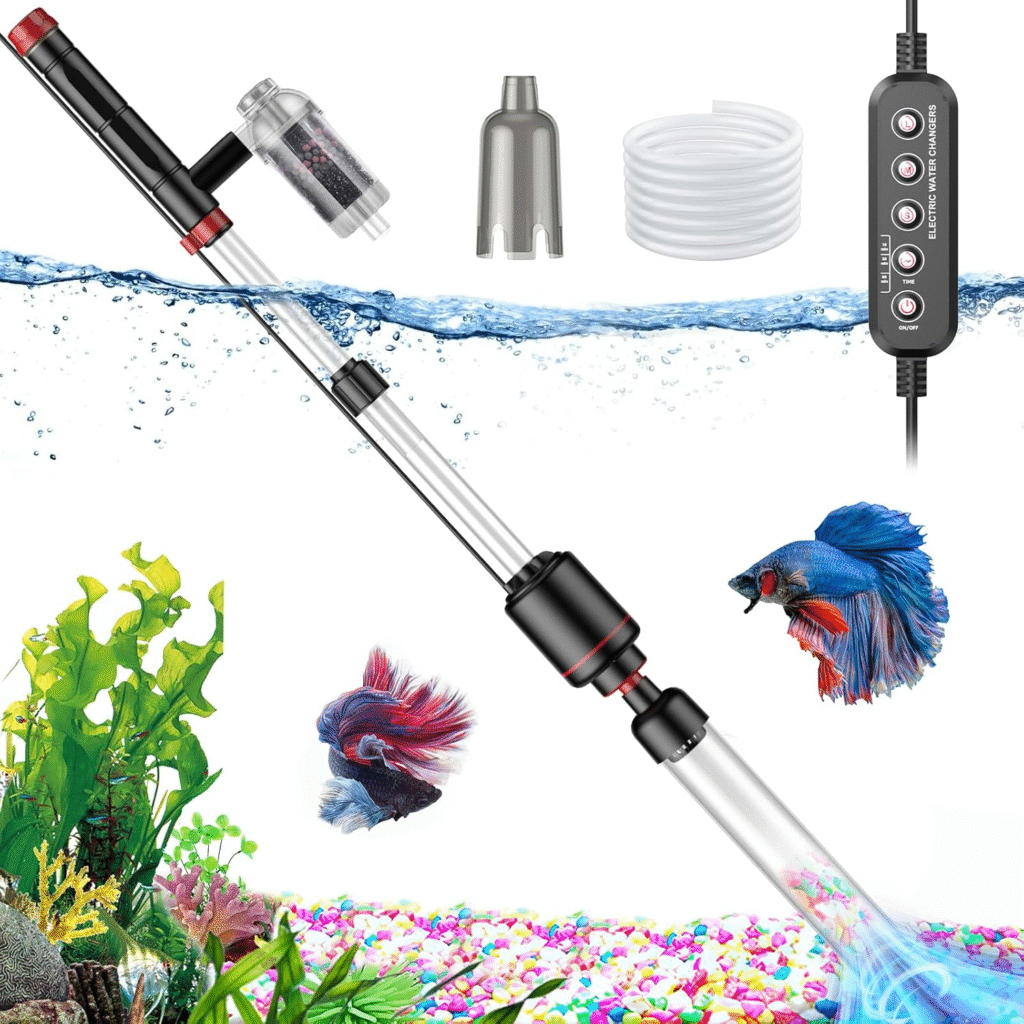
Convenience meets efficiency.
Experience & The Problem It Solved
Some days, I don’t want to perform a full water change, I just want to spot clean debris. That’s where the NICREW automatic gravel cleaner comes in.
In my 29 gallon planted tank, it allowed me to remove fish waste without draining significant water. The internal filter bag captures debris while returning clean water back to the tank.
It’s great for mid week maintenance sessions when you want to keep water parameters stable.
This is ideal for:
- Planted aquariums
- Busy aquarium owners
- Light debris maintenance
- Intermediate hobbyists
Why We Picked It
Because convenience matters. Electric suction reduces manual effort and simplifies routine cleaning.
Performance & Real World Applications
- Battery-powered motor
- Adjustable extension tube
- Internal debris filter
- Suitable for quick cleanups
Why It Made the List
It offers controlled suction and ease of use, especially in medium-sized tanks.
Reasons to Buy
- Easy operation
- Less water waste
- Compact storage
- Great for quick maintenance
Reasons Not to Buy
- Not ideal for deep compacted waste
- Batteries required
- Can clog if not cleaned properly
Specs & Configurations
- Adjustable tube length
- Filter bag system
- Battery-operated motor
How It Compares to Similar Options
It’s more convenient than manual siphons but less powerful than faucet-connected systems. Think of it as a maintenance helper, not a full replacement for deep cleaning.
What To Look For In Best Aquarium Vacuum Cleaners
Choosing the right gravel vacuum depends on your tank’s needs. Here’s what I always evaluate:
Suction Strength
Strong enough to remove debris without removing too much substrate.
Tank Size Compatibility
Small siphons for nano tanks. Faucet systems for large aquariums.
Ease of Priming
Manual pumps should start quickly. Electric models should have consistent flow.
Build Quality
Look for thick tubing, secure connectors, and durable materials.
Substrate Type
Gravel and sand require different suction control.
Factors to Consider When Buying Best Aquarium Vacuum Cleaner
- Freshwater vs saltwater use
- Frequency of water changes
- Stocking level
- Aquarium size (gallons)
- Budget range
- Storage space
Amazon Disclaimer:
As an Amazon Associate, we earn from qualifying purchases. This comes at no extra cost to you and helps support our research and testing process.
FAQs
1. How often should I vacuum aquarium gravel?
Most freshwater tanks benefit from substrate cleaning every 1–2 weeks during partial water changes.
2. Can a gravel vacuum remove beneficial bacteria?
When used properly during routine maintenance, it does not significantly harm beneficial bacteria colonies living in your filter media.
3. Is an electric aquarium vacuum better than manual?
It depends on tank size and personal preference. Manual siphons are affordable and reliable, while electric models offer convenience.
Final Thoughts: Which One Should You Choose?
If you’re new to fishkeeping and maintaining a small tank, the Laifoo siphon is simple and cost-effective.
If you own a large aquarium and want maximum efficiency, the Python No Spill system is hands down the best investment.
If you prefer convenience and quick maintenance sessions, the NICREW automatic cleaner is a practical option.
After testing different models, researching water flow rates, and comparing real user feedback, I can confidently say that investing in a quality aquarium vacuum cleaner improves water clarity, reduces nitrate buildup, and keeps fish healthier. It’s one of those tools that quietly makes a huge difference, even if we sometimes overlook it.
And honestly, clean substrate equals healthier fish. That’s something we all want for our tanks.