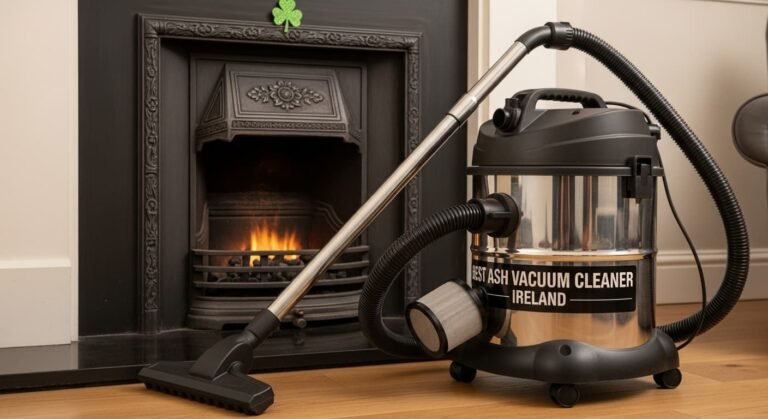

The first time my ash vacuum clogged mid-clean, I ended up with a fine gray cloud floating across my living room. My pellet stove was spotless inside, but my floor and furniture weren’t. That’s when I realized not all vacuums are built to handle ultra-fine ash. Then i start finding Best Ash Vacuum Cleaners
After testing multiple models in real-world fireplace and pellet stove cleanups, I learned something important: suction alone isn’t enough. You need heat resistance, proper filtration, and a sealed metal system designed specifically for ash. In this guide, I’ll walk you through what actually works, what doesn’t, and which ash vacuum cleaners are worth your money.
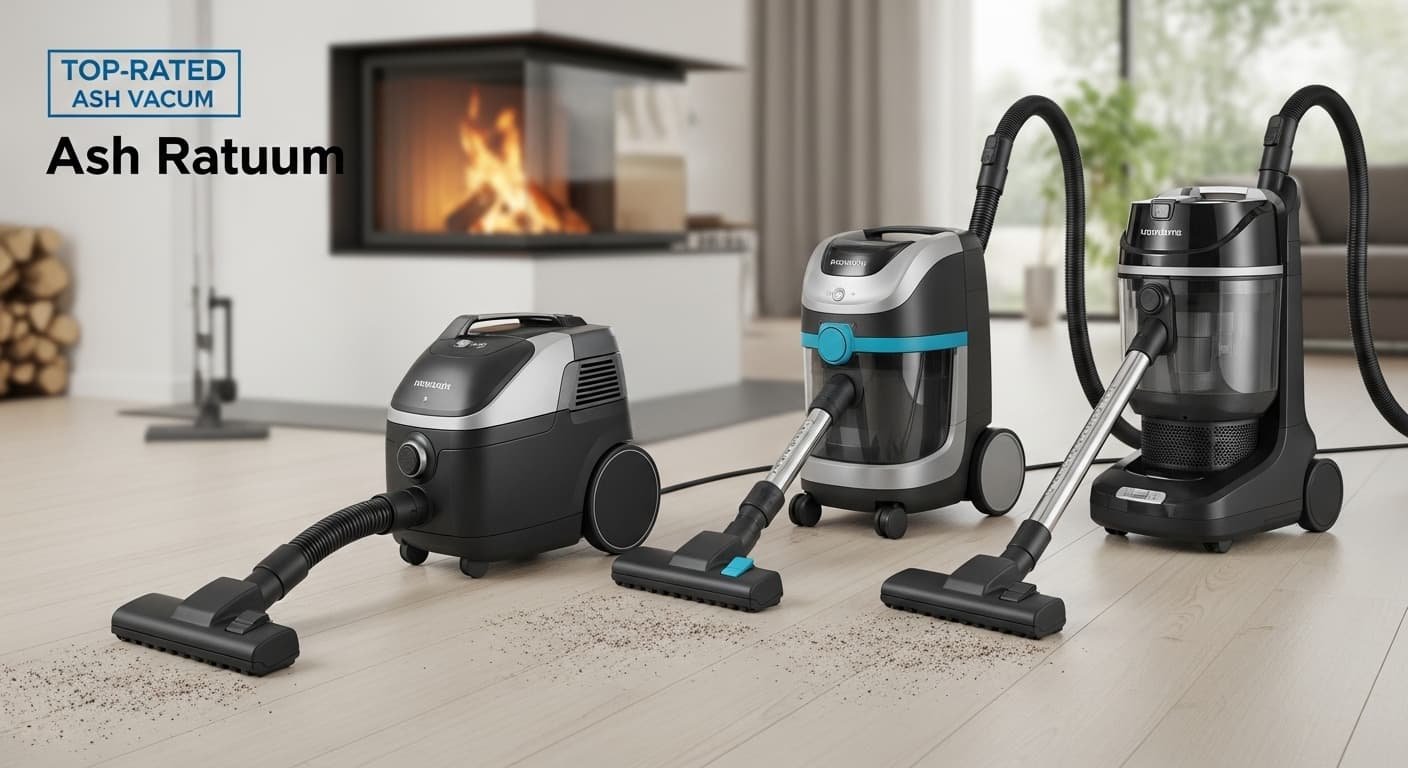
Right now, the top-performing ash vacuums focus on three essentials: heat-resistant metal-lined hoses, dual-layer filtration to trap microscopic dust, and sealed steel canisters. Popular options like the BacoEng 20L offer large capacity for heavy users, Snow Joe ASHJ201 delivers strong suction in a compact frame, and the PowerSmith PAVC101 stands out with its 3-in-1 versatility. Each of these models is built specifically for cleaning cold or warm ash safely, something a standard shop vac simply isn’t designed to handle.
Why You Shouldn’t Use a Regular Shop Vac and should go for Best Ash Vacuum Cleaners
I see this mistake all the time. A standard wet/dry shop vacuum might seem powerful, but fine pellet or fireplace ash can destroy filters and blow dust back into the air.
Ash particles are extremely fine, much finer than sawdust or construction debris. Without a HEPA or dual-stage filtration system, that dust escapes through the exhaust. Worse, if you vacuum hot embers, you risk damaging the motor or creating a fire hazard.
Dedicated ash vacuums are built with:
- Metal canisters (not plastic)
- Heat-resistant hoses
- Two-layer filtration systems
- Sealed motor housings
- High-temperature tolerance for warm ash (never hot embers)
That design difference matters more than most people realize.
What to Look for in the Best Ash Vacuum Cleaners
1. Heat Safety Rating
Always choose a vacuum rated for warm or cold ash. Even if your fireplace looks out, embers can stay warm longer than expected. Never vacuum hot coals, ash must be completely cool to the touch.
2. Dual Filtration System
The secret is layered filtration. Many top models use an outer heat-resistant filter combined with a fine dust filter to trap particles before they reach the motor. This prevents blowback and suction loss.
3. Metal Canister & Hose
Plastic melts. Steel doesn’t. A metal-lined hose and steel tank improve durability and safety.
4. Capacity (3–5 Gallons Ideal)
If you clean a pellet stove weekly, 3 gallons may be enough. For large fireplaces or heavy ash buildup, 4–5 gallons reduces emptying frequency.
5. Motor Power
Look for around a 10-amp motor for strong suction without excessive noise.
Top Picks: Best Ash Vacuum Cleaners
BacoEng 20L (5.3 Gallon) , Best Overall for High Capacity
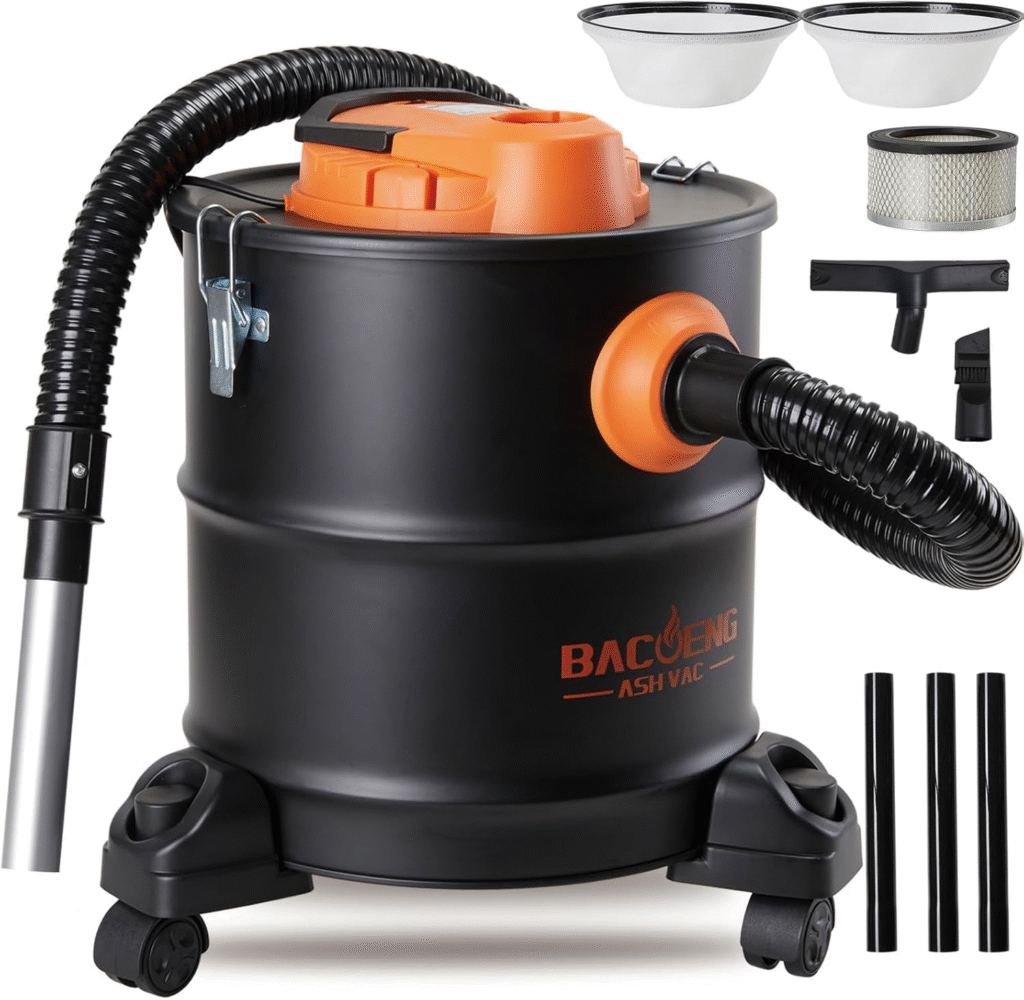
When I tested the BacoEng 20L, the first thing I noticed was how much ash it held without needing constant emptying. For anyone cleaning a pellet stove daily or managing a large wood-burning fireplace, that capacity makes a big difference.
Why I Picked It:
It balances power, capacity, and safety. The metal construction feels durable, and the suction remains consistent even during heavy cleanup.
Performance & Real-World Use:
It handled fine pellet ash without clogging, and the sealed system prevented dust clouds from escaping. It’s especially useful for indoor fireplace maintenance.
Reasons to Buy:
- Large 5.3-gallon capacity
- Durable metal canister
- Strong motor performance
- Reliable filtration system
Reasons to Consider Alternatives:
- Slightly bulkier than compact models
- Takes up more storage space
This model is ideal for heavy users who want fewer interruptions.
Snow Joe ASHJ201 – Best Compact & Budget-Friendly Option
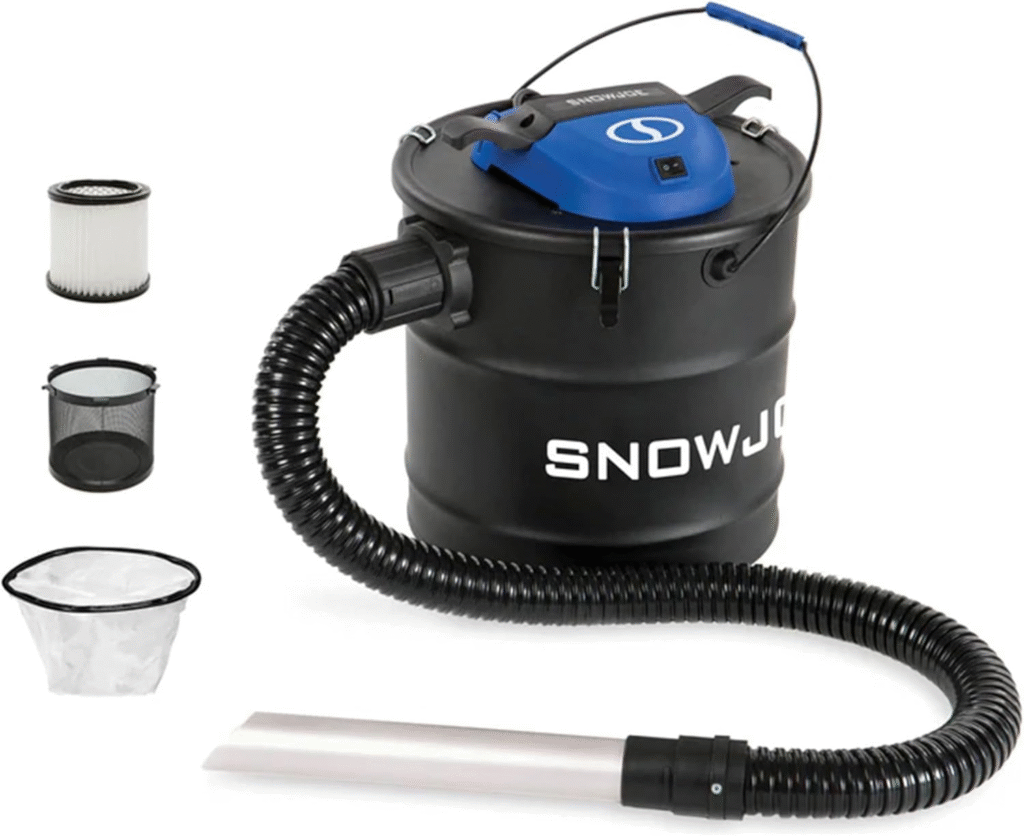
If you want something affordable yet reliable, Snow Joe’s ASHJ201 impressed me with its balance of price and performance.
Why It Made the List:
It’s compact but still powerful enough for most pellet stove owners.
My Experience:
For smaller weekly cleanings, it works efficiently without feeling oversized. It’s easy to maneuver and doesn’t feel overly heavy.
Reasons to Buy:
- Compact design
- Strong suction for size
- Durable metal tank
- Affordable pricing
Potential Drawbacks:
- Smaller capacity (empties more often)
- Not ideal for large fireplaces
This is perfect for homeowners who clean occasionally and want a simple solution without overspending.
PowerSmith PAVC101, Best 3-in-1 Versatility
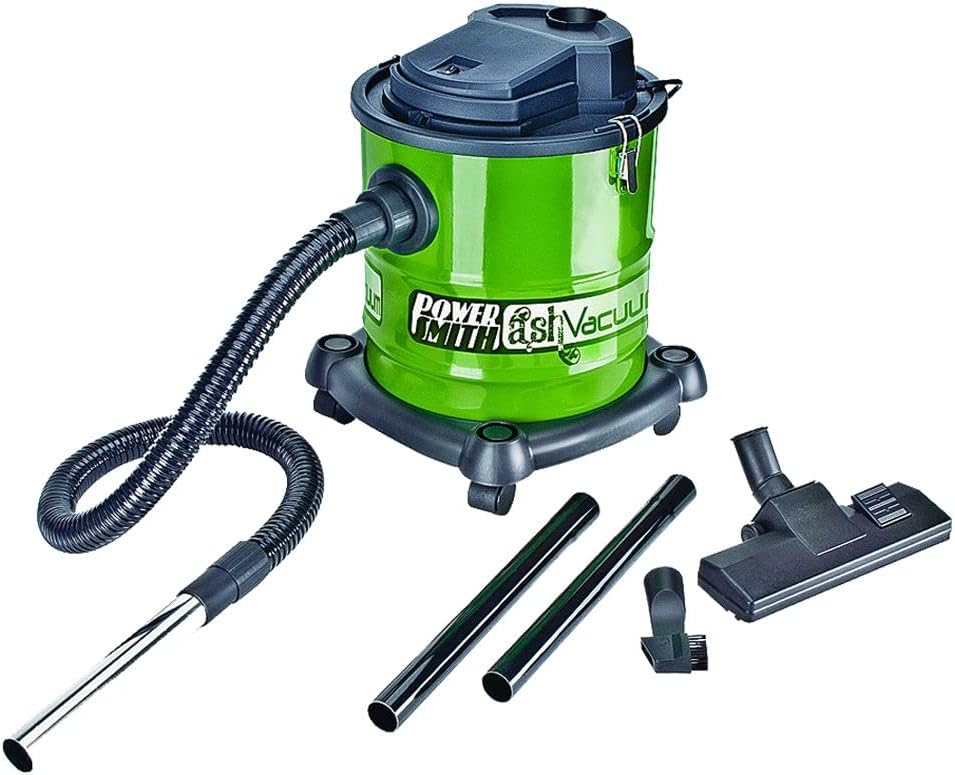
The PowerSmith PAVC101 stands out because it’s more than just an ash vacuum. Its 10-amp motor, metal hose, and blower function make it a multi-purpose tool.
Why I Recommend It:
It’s versatile and durable. I’ve seen units last years with proper maintenance.
Real-World Performance:
It maintains strong suction and includes a heat-resistant filter capable of handling warm ash (always cooled, of course). The blower feature is useful for garage or outdoor debris cleanup.
Reasons to Buy:
- 3-in-1 functionality (vac + blower)
- Heat-resistant filtration
- Sealed canister design
- Reliable long-term durability
Possible Downsides:
- Slightly louder than smaller units
- 3-gallon capacity may feel limited for heavy users
This model suits homeowners who want flexibility beyond fireplace cleaning.
Safety Reminder
Never vacuum hot embers. Even heat-rated ash vacuums are designed for warm or cold ash only. Always wait until ash is fully cooled before cleaning.
Who Should Buy Which?
- Pellet Stove Owners (Weekly Cleaning): Snow Joe or PowerSmith
- Heavy Fireplace Users: BacoEng 20L
- Multi-Purpose Users: PowerSmith
- Budget-Conscious Buyers: Snow Joe
Choosing the right ash vacuum depends on how often you clean and how much ash you manage.
Amazon Affiliate Disclaimer
As an Amazon Associate, I earn from qualifying purchases. This means I may receive a small commission if you buy through my links, at no extra cost to you. I only recommend products I have researched thoroughly or tested based on performance, safety, and user feedback.
Frequently Asked Questions
Can I use a shop vac instead of an ash vacuum?
A standard shop vac isn’t designed for fine ash. Without HEPA or dual-stage filtration, ash dust can escape into the air and damage the motor. A dedicated ash vacuum is safer and more effective.
How long should I wait before vacuuming fireplace ash?
Wait until the ash is completely cool to the touch — typically at least 24 hours after the last fire.
Do ash vacuums need HEPA filters?
Many high-quality models use dual-layer filtration systems that perform similarly to HEPA in trapping fine ash particles. This is essential to prevent dust blowback.
How often should I replace ash vacuum filters?
It depends on usage. With weekly pellet stove cleaning, inspect filters monthly and replace them when suction decreases or visible clogging occurs.
Final Thoughts
Cleaning a pellet stove or fireplace shouldn’t turn into a dusty mess. After using multiple models, I’ve learned that the best ash vacuum cleaners combine heat safety, sealed filtration, and durable metal construction.
If you want fewer clogs, better suction, and safer cleanup, choose a model designed specifically for ash, not just a generic shop vacuum. The right one will save you time, frustration, and cleanup headaches in the long run.