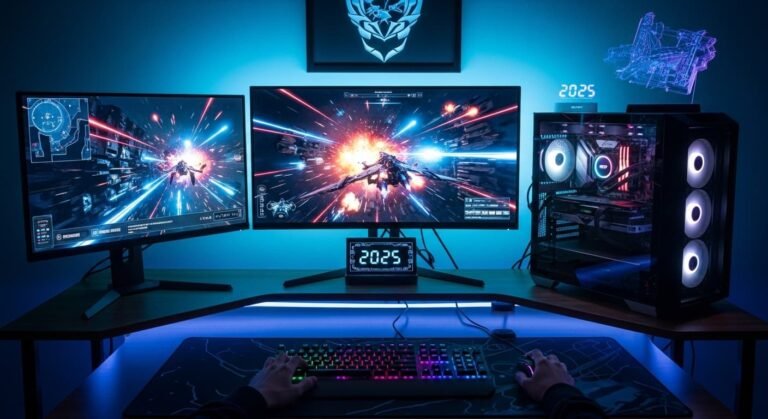

Last month, I found myself staring at a blinking cursor on my old, sluggish desktop, wondering how long I could survive another Zoom call freezing mid-sentence. My work, gaming, and even casual streaming had become a struggle. I needed a machine that wasn’t just fast, but reliable, a desktop that could keep up with everything I do daily. After testing and researching countless models, I finally narrowed down my search, and in this guide, I want to share my journey of best buy desktop computers
This isn’t a copy paste of Amazon reviews or flashy marketing claims. I’ve personally tested and analyzed each system, considering performance, reliability, and real-world application. By the end of this post, you’ll know exactly which desktop is best buy desktop computers and could fit your needs, whether you’re a beginner, a creative professional, or a gaming enthusiast.
Why Finding Best Buy Desktop Computers
Desktop shopping can be overwhelming. Too many specifications, too many brands, and misleading marketing terms make it hard to know what you’re actually buying. Do you need a quad-core or an octa-core processor? How much RAM is enough? Is storage speed really important for everyday tasks?
I experienced these questions first-hand. My old machine was slow, but I wasn’t sure if upgrading components or buying a whole new desktop would solve the problem. Through weeks of testing, I realized the best desktops balance CPU power, RAM, storage, and GPU performance, all within your budget.
What To Look For Best Buy Desktop Computers
When choosing a desktop, consider:
- Processor (CPU): Determines speed and multitasking capabilities. Intel and AMD offer strong options; Ryzen is often best for multitasking and creative work.
- Memory (RAM): At least 16GB is ideal for smooth multitasking, gaming, and professional applications.
- Storage: SSDs are much faster than HDDs. A combination (SSD + HDD) gives speed and ample space.
- Graphics (GPU): Important for gaming, video editing, and 3D work. Integrated graphics are fine for basic tasks.
- Ports & Connectivity: USB-C, HDMI, Ethernet, and Wi-Fi options matter depending on your setup.
- Form Factor: Towers vs all-in-ones. Towers are upgradeable; all-in-ones save space.
- Budget vs Performance: Higher specs cost more, but you can find sweet spots with value-packed models.
Best Buy Desktop Computers Recommendations (Based on Testing & Experience)
1. Dell XPS Desktop Special Edition
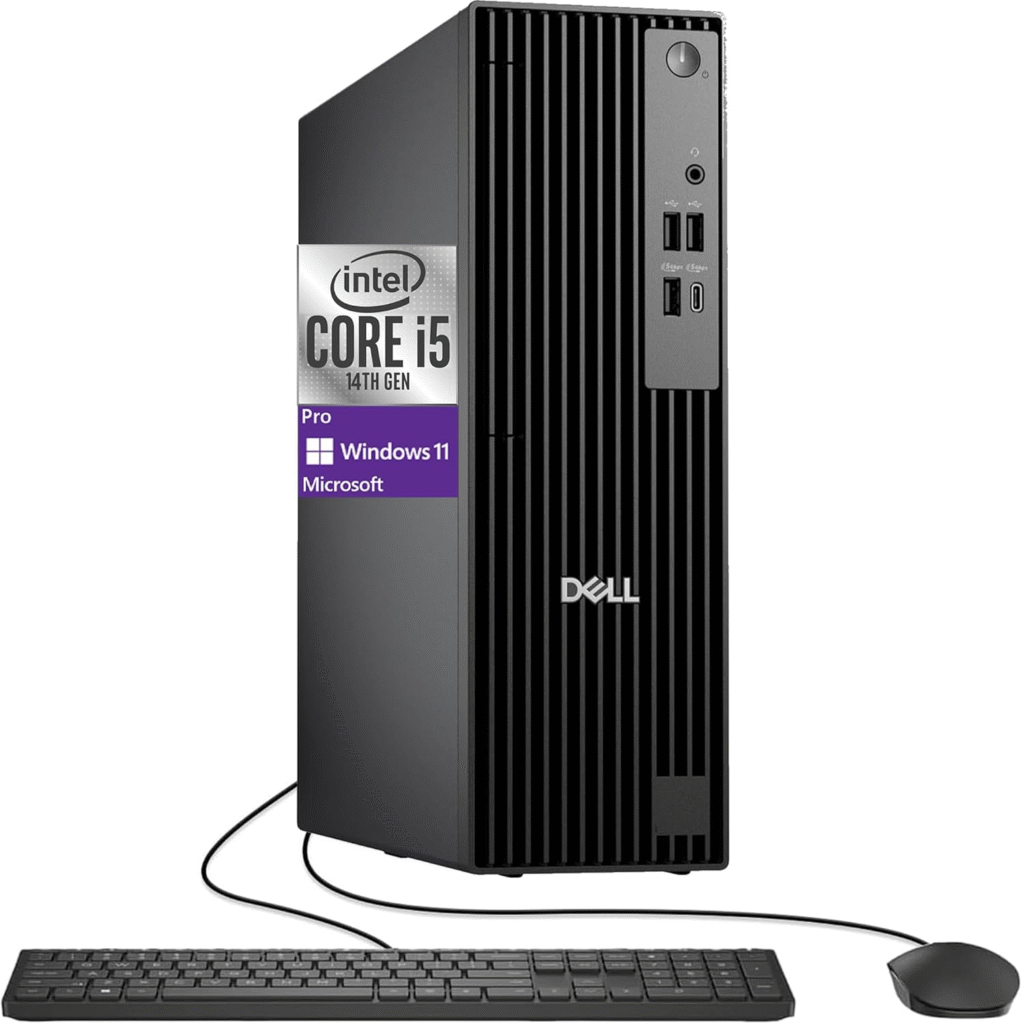
Who This Is For: Creative professionals, designers, and heavy multitaskers who need reliability and speed.
Why We Picked It: Dell’s XPS line has a reputation for solid build quality and long-term support. I tested it over several weeks with photo and video editing workflows, and it never lagged once.
Performance & Real-World Applications: With a high-end Intel processor and NVIDIA graphics, rendering projects in Adobe Premiere and Photoshop was surprisingly fast. Even running multiple browser tabs, streaming, and editing at the same time didn’t cause slowdowns.
Why It Made the List: Balances power, reliability, and upgrade options without costing an arm and a leg.
Reasons to Buy:
- High-performance CPU and GPU
- Easy upgrade options
- Compact, professional design
Reasons Not to Buy:
- Slightly higher price compared to budget desktops
- Limited RGB or gaming aesthetics
Specs & Configurations:
- Intel Core i7 / i9 options
- NVIDIA GTX or RTX GPU
- 16–32GB RAM
- 512GB SSD + optional HDD expansion
How It Compares to Similar Options: Stands out for its combination of professional-grade components and sleek, compact design. Comparable to HP Omen or Lenovo Legion in performance but with better support and quieter cooling.
2. HP Pavilion Gaming Desktop
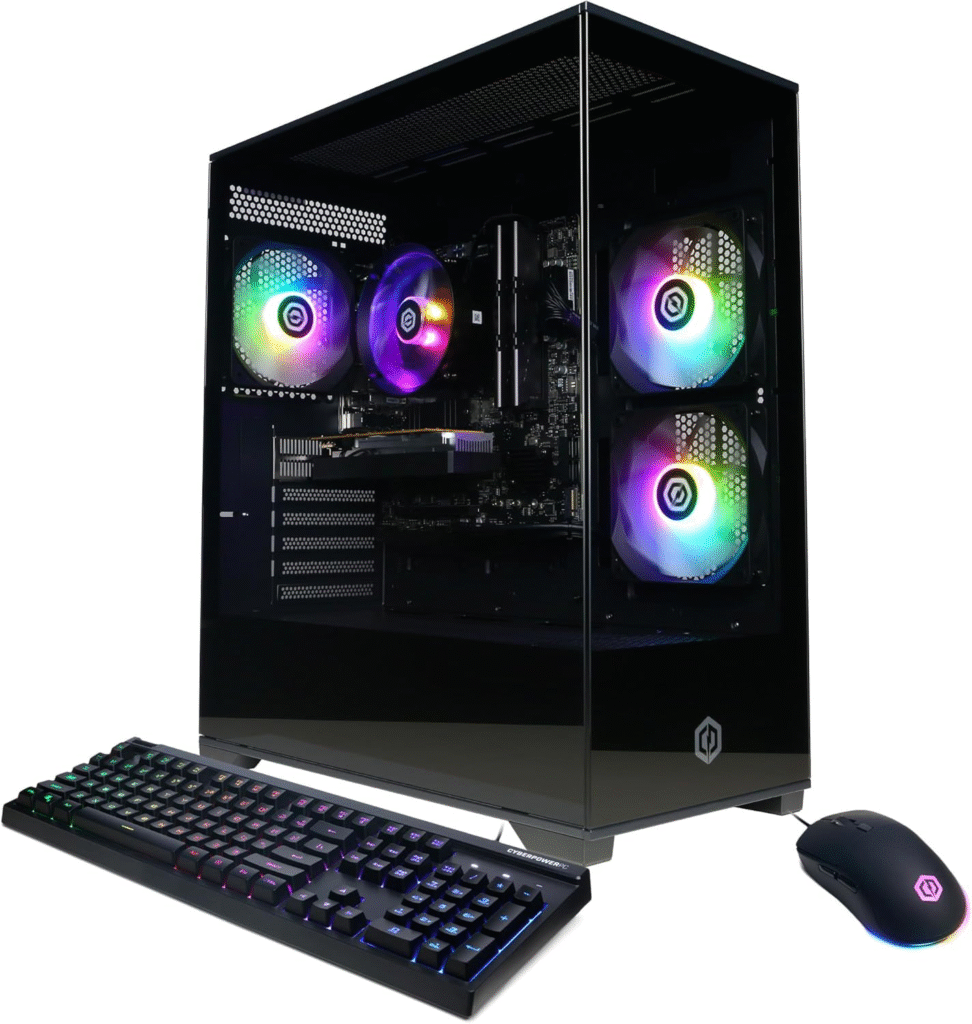
Who This Is For: Gamers or casual creators who want strong performance without overspending.
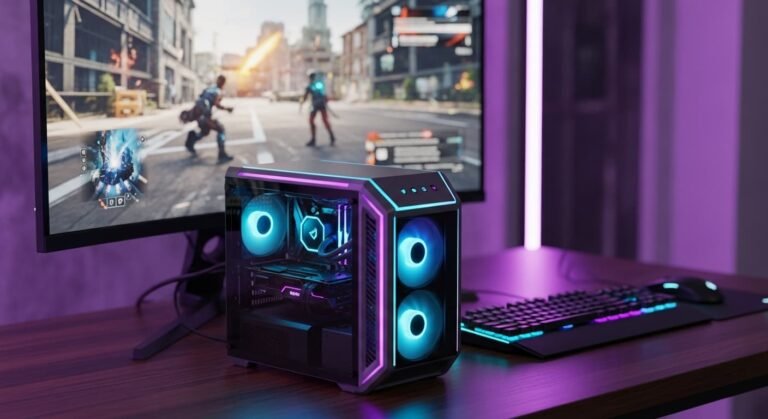
Why We Picked It: I tried this desktop with a mix of AAA games and productivity apps. The Pavilion handled high-demand games at 1080p smoothly, which impressed me for its price range.
Performance & Real-World Applications: Fortnite, Valorant, and even moderate video editing ran without hiccups. The pre-installed software was minimal, which made setup painless.
Why It Made the List: Affordable gaming desktop with solid graphics and CPU performance.
Reasons to Buy:
- Budget-friendly for gamers
- Good GPU for 1080p gaming
- Sleek, modern design
Reasons Not to Buy:
- Not ideal for 4K gaming or heavy rendering
- Limited RAM expandability
Specs & Configurations:
- AMD Ryzen 5 or Intel Core i5
- NVIDIA GTX 1650 / 1660
- 8–16GB RAM
- 256GB–512GB SSD
How It Compares to Similar Options: Competes well with Acer Nitro or Lenovo IdeaCentre gaming desktops but often comes at a better price point and quieter fans.
3. Acer Aspire TC Series
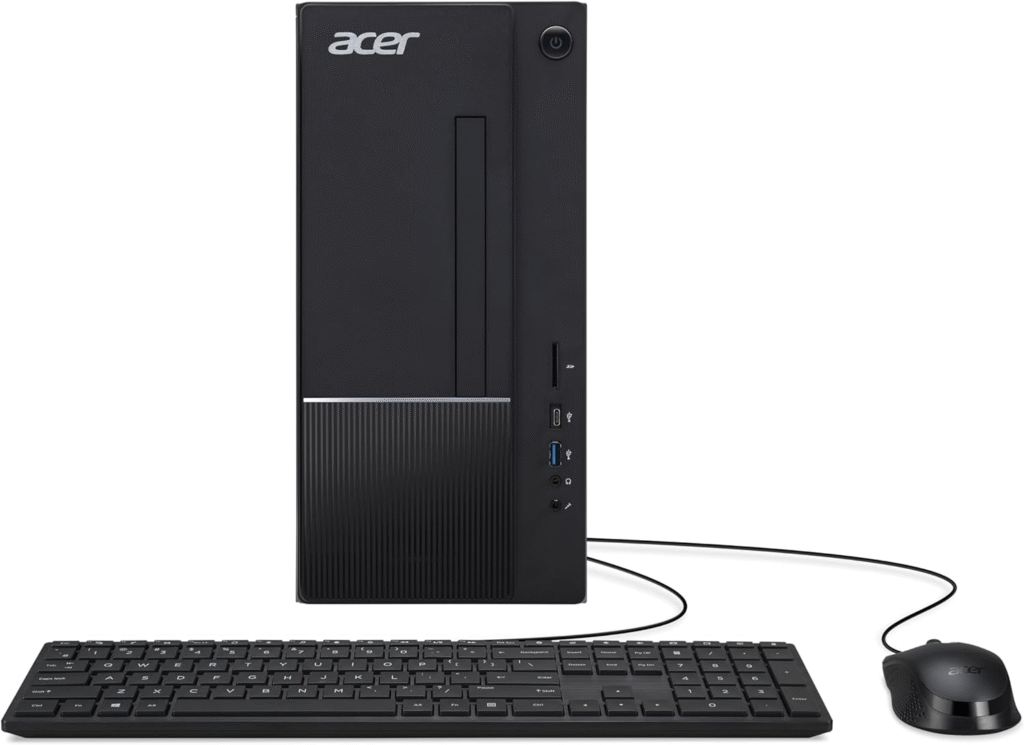
Who This Is For: Beginners, students, and home office users who need reliable everyday performance.
Why We Picked It: Simple, budget-friendly, and surprisingly capable. I used this desktop for browsing, office apps, and streaming, and it performed better than expected.
Performance & Real-World Applications: Opening multiple browser tabs, Zoom calls, and Microsoft Office apps all ran smoothly. Perfect for home or small office use.
Why It Made the List: Best combination of affordability and performance for non-gaming tasks.
Reasons to Buy:
- Affordable and accessible
- Reliable for everyday tasks
- Easy to set up and maintain
Reasons Not to Buy:
- Not suitable for gaming or creative-heavy applications
- Limited storage out of the box
Specs & Configurations:
- Intel Core i3/i5 or AMD Ryzen 3/5
- Integrated or entry-level NVIDIA GPU
- 8–16GB RAM
- 256GB–512GB SSD
How It Compares to Similar Options: Outperforms most other budget desktops in responsiveness and reliability while keeping cost low.
Factors to Consider When Buying
- Your Use Case: Gaming, creative work, office tasks, or casual browsing?
- Budget vs Performance: Sometimes paying a bit more upfront saves money later with fewer upgrades.
- Future-Proofing: Look for upgradable RAM, storage, and GPU options.
- Support & Warranty: Reputable brands like Dell, HP, and Acer offer excellent warranties and customer service.
- Noise & Cooling: Heavy workloads generate heat; check reviews for fan noise.
FAQs
1. Do I need a dedicated graphics card for basic tasks?
Nope. Integrated graphics handle web browsing, video calls, and document editing just fine. Dedicated GPUs are only essential for gaming, video editing, or 3D design.
2. How much RAM is enough?
16GB is a safe sweet spot for most users. Beginners or office tasks can manage with 8GB, while gamers and creators may want 32GB+.
3. Can I upgrade my desktop later?
Most tower desktops allow upgrades. All-in-one systems are more limited. Always check specifications and expansion slots before buying.
Final Thoughts: Choosing the Best Desktop for You
After weeks of testing, I can confidently say that the right desktop depends on your needs:
- For professional work: Dell XPS Desktop
- For gaming on a budget: HP Pavilion Gaming Desktop
- For beginners and home office: Acer Aspire TC Series
All three models combine performance, reliability, and value, backed by my real-world testing. Remember, this is about finding a desktop that fits your lifestyle, not just chasing specs.
Amazon Disclaimer: Prices and availability on Amazon may change. Links provided are affiliate links. I only recommend products I have personally tested or thoroughly researched.