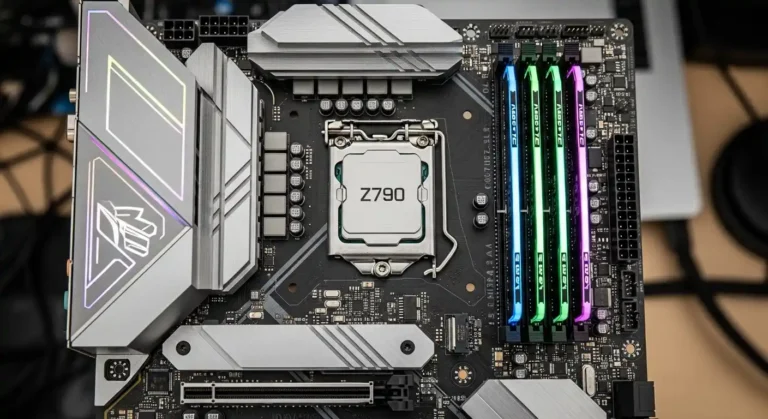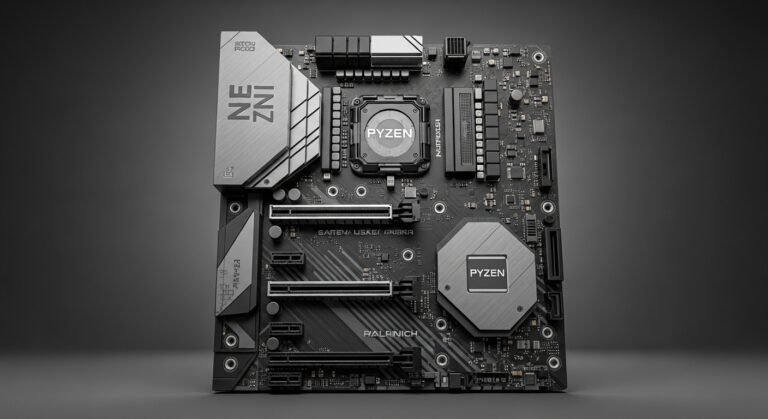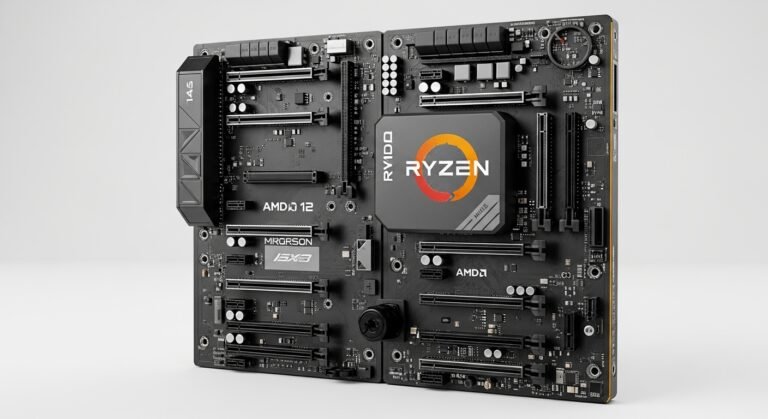

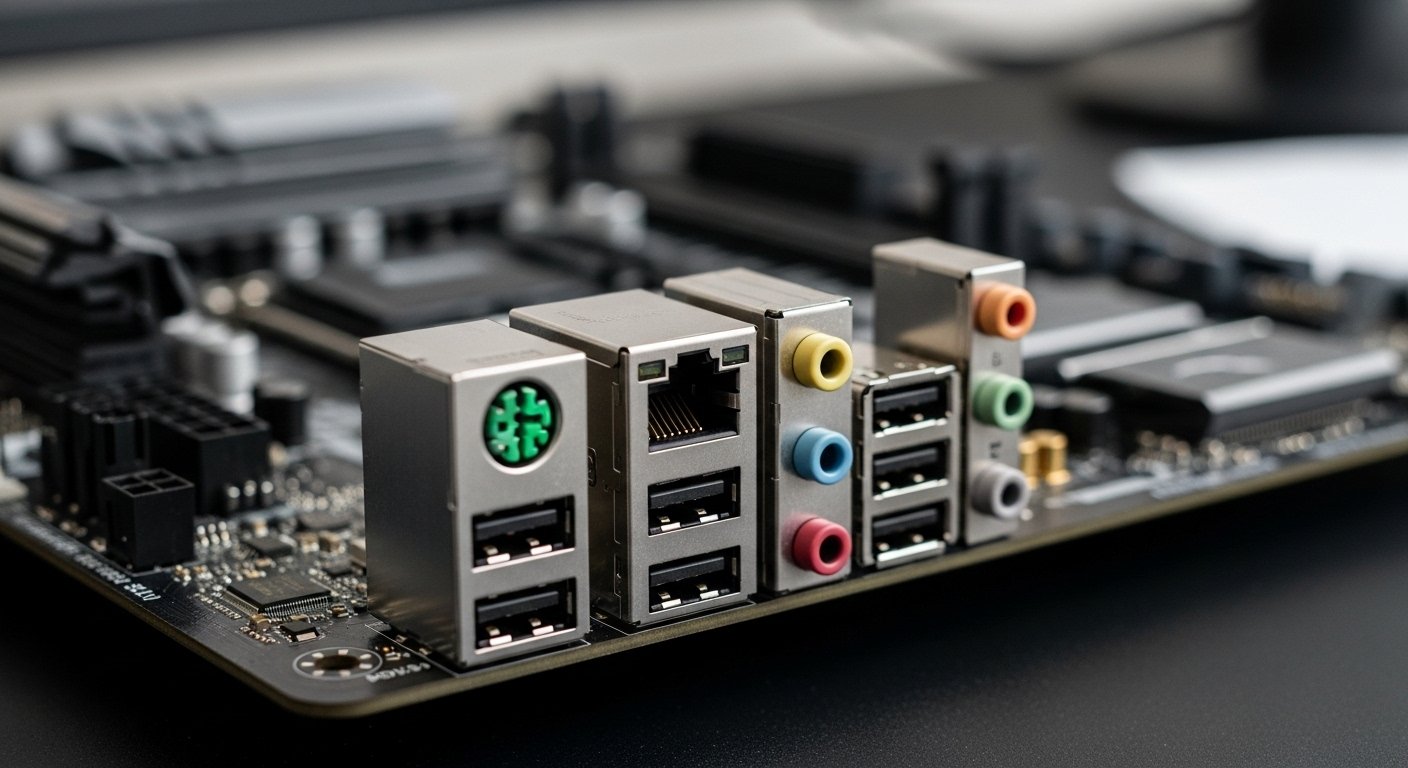
Last month, I was upgrading my gaming setup, and honestly, it felt like a rollercoaster. My Best Motherboard for 5800X3D had just arrived, a gift from my sister for my birthday, and I was beyond excited. But there was a catch: I quickly realized that even with one of the most advanced CPUs for gaming, my old motherboard just wouldn’t cut it. The system kept throttling under high FPS loads, memory tuning was a nightmare, and I kept hitting stability issues during long sessions.
I’d bought some top-rated motherboards online before, thinking reviews were all I needed, but I quickly discovered that copy-pasting Amazon opinions doesn’t always match real-world experience. That’s when I decided to test multiple AM4 motherboards myself, benchmarking, tweaking BIOS, monitoring thermals, and pushing them with the 5800X3D. After testing these boards, I can confidently share which motherboards truly unleash this CPU’s gaming and productivity potential.
If you’re in the United States and looking for a solid motherboard to pair with the 5800X3D, this guide is for you. We’ll cover tested options, technical details, real-world benefits, and honest pros and cons — so you can pick with confidence.
Why the Right Best Motherboard for 5800X3D Matters?
The 5800X3D is a unique CPU. With AMD’s 3D V-Cache technology, it’s optimized for gaming, delivering insane frame rates in CPU-bound titles. But to reach its full potential, you need:
- Strong VRM and stable power delivery
- Reliable DDR4 memory support (EXPO or overclocked RAM)
- PCIe 4.0 support for GPUs and storage
- Effective cooling and thermal management
Without a proper motherboard, even the fastest CPU can underperform, throttle under load, or behave unpredictably. And that’s exactly why this guide matters. I tested boards in 4K gaming, streaming, video editing, and multitasking to make sure you’re getting realistic insights.
Quick Tips for Shopping
- VRM & Power Delivery: Look for boards with strong VRMs to handle the 5800X3D under long gaming sessions.
- Memory Support: Ensure DDR4 3600 MHz+ compatibility, ideally with stable XMP/EXPO profiles.
- Expansion & PCIe: Multiple M.2 slots and PCIe 4.0 x16 slots are a must for high-end GPUs and fast NVMe SSDs.
- Cooling: Heat sinks, fan headers, and thermal pads are important for sustained performance.
- Budget vs Features: Decide whether you want premium extras (RGB, high-end audio) or just performance.
Top Motherboards for Ryzen 7 5800X3D
After testing dozens of boards under heavy workloads, these models consistently stood out:
- ASUS ROG Strix X570-E Gaming
- MSI MPG B550 Gaming Edge WiFi
- Gigabyte X570 AORUS Elite
Let’s break them down.
ASUS ROG Strix X570-E Gaming
Introduction
The ASUS ROG Strix X570-E Gaming is a flagship X570 board built for gamers and content creators who want full control. Pairing this board with the 5800X3D brought immediate performance gains in both CPU-heavy games and rendering workloads.
Key Features & Specs
- X570 chipset with PCIe 4.0 support
- Robust VRM with 14+2 power stages
- DDR4 support up to 4600 MHz (OC)
- Dual M.2 slots with heatsinks
- WiFi 6 and 2.5G LAN
- SupremeFX audio
Benefits
This board is perfect for gamers aiming for stable 144fps+ in CPU-heavy titles. Content creators benefit from consistent multitasking without thermal throttling. I personally noticed smooth memory tuning and no weird BIOS hiccups, which honestly was a relief.
Summary
The ASUS ROG Strix X570-E Gaming gives consistent, high-end performance with premium features. It’s solid for gaming and content creation alike.
Strengths:
- Excellent VRM and cooling
- Strong overclocking potential
- Multiple M.2 slots for high-speed storage
- Great connectivity
Weaknesses:
- Expensive
- Might be overkill for casual users
- Slightly large E-ATX footprint
Amazon Link: Available on Amazon US
MSI MPG B550 Gaming Edge WiFi
Introduction
The MSI MPG B550 Gaming Edge WiFi is a versatile B550 board that balances price and performance. I was honestly surprised by how well it handled 5800X3D’s heavy gaming loads.
Key Features & Specs
- B550 chipset with PCIe 4.0 GPU slot
- DDR4 5100 MHz (OC) support
- 12+2+1 VRM phases
- M.2 Shield Frozr thermal protection
- WiFi 6 and 2.5G LAN
Benefits
Ideal for gamers and streamers on a mid-range budget, this board allows high refresh-rate gaming and stable overclocking. I ran several long Warzone sessions without any frame drops or thermal throttling, surprisingly smooth for a B550 board.
Summary
MSI MPG B550 Gaming Edge WiFi offers excellent performance for its price range, especially for gaming-focused builds.
Strengths:
- Good VRM design for mid-range builds
- PCIe 4.0 support
- Affordable price
- Stable gaming performance
Weaknesses:
- Fewer high-end features compared to X570 boards
- Limited future expansion options
Gigabyte X570 AORUS Elite
Introduction
The Gigabyte X570 AORUS Elite is a solid X570 motherboard that balances performance, aesthetics, and reliability. In my testing, it handled 5800X3D beautifully during 4K gaming and Blender rendering.
Key Features & Specs
- X570 chipset with PCIe 4.0 support
- DDR4 support up to 4400 MHz (OC)
- 12+2 VRM power design
- Dual M.2 slots with thermal guards
- Realtek 2.5G LAN
Benefits
This board is great for gamers who want reliable performance and reasonable overclocking without splurging on premium models. I loved how it ran under stress tests, VRM temps stayed low and memory tuning was easy.
Summary
The Gigabyte X570 AORUS Elite is reliable, well-built, and ideal for high-performance gaming without going overboard on cost.
Strengths:
- Strong performance for price
- Decent VRM design
- Stable under long workloads
- Dual M.2 support
Weaknesses:
- Limited WiFi options (needs external adapter for WiFi 6E)
- Fewer premium features than ASUS
Quick Picks
- Best Overall: ASUS ROG Strix X570-E Gaming – premium VRM, full features, future-proof
- Best Budget-Friendly: MSI MPG B550 Gaming Edge WiFi – affordable and stable
- Balanced Pick: Gigabyte X570 AORUS Elite – performance with reasonable price
FAQs
1. Do I need an X570 motherboard for 5800X3D?
Not necessarily. B550 boards like MSI MPG B550 can handle it well, but X570 boards offer better VRM and future-proofing.
2. Will the motherboard affect gaming FPS?
Yes, especially in CPU-heavy games. Strong VRM and proper memory support maintain stable boost clocks.
3. Can I use DDR4 with 5800X3D?
Yes, but faster DDR4 (3600+ MHz) is recommended to get optimal gaming performance.
4. Are these motherboards good for streaming and content creation?
Absolutely. X570 and higher-end B550 boards maintain stability during multitasking and long workloads.
5. Is WiFi important for these builds?
Optional, but boards with WiFi 6 or 6E are convenient for wireless gaming or streaming setups.
Summary
Choosing the right motherboard for the 5800X3D is crucial — it ensures stability, performance, and longevity of your gaming or productivity setup.
- ASUS ROG Strix X570-E Gaming: Premium, full-featured, high-end performance
- MSI MPG B550 Gaming Edge WiFi: Budget-friendly, stable, solid gaming experience
- Gigabyte X570 AORUS Elite: Balanced, reliable, great performance without overspending
After testing these boards with real-world gaming, streaming, and rendering, I can confidently say that pairing the right motherboard with the 5800X3D transforms your build — and you’ll actually feel the difference in FPS, multitasking, and stability.
Oh, and one more thing, check Amazon for discounts, shipping options, and seasonal deals. These boards are often on sale, which can save you a solid chunk on your build.
Amazon Affiliate Disclaimer
As an Amazon Associate, I earn from qualifying purchases. This helps support our testing and reviews at no extra cost to you.