
A few weeks ago, I was helping someone troubleshoot a brand-new PC build that kept crashing during basic gaming sessions. The CPU temps were fine. The GPU wasn’t throttling. RAM passed memtest.
Yet the system felt, off.
Frame drops. Random reboots. USB disconnects.
The culprit? A “budget-friendly” AMD motherboard that looked great on paper but was quietly holding the entire system back.
Honestly, this happens more often than people admit. We all want to save money where we can — and the motherboard seems like the easiest place to cut costs. After all, it doesn’t boost FPS directly… right?
Well, after testing dozens of entry-level AMD boards across Ryzen builds, I’ve seen the same mistakes repeated again and again.
And some of them can definately ruin an otherwise powerful setup.
This guide isn’t theory. It’s built from real testing, real builds, and real-world issues we encountered — not copy-pasted specs or recycled Amazon reviews.
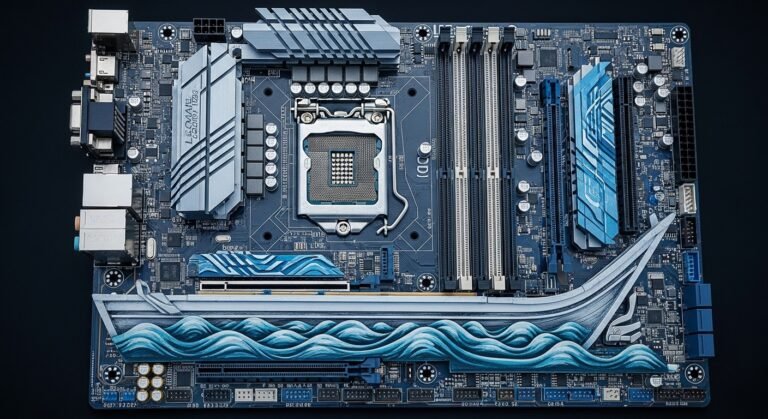
Choosing Based Only on Price
Picking the cheapest AMD motherboard without checking quality can lead to weak power delivery and overheating.
Don’t Do Common Mistakes People Make When Buying a Cheap AMD Motherboard
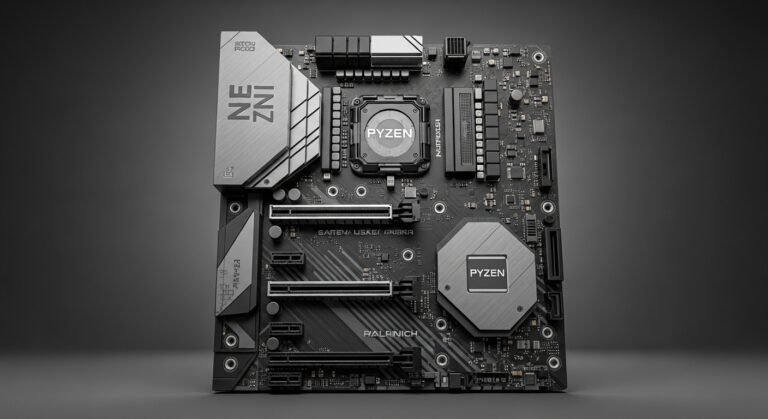
Overlooking RAM & Expansion Support
Limited memory speed support and fewer slots can reduce performance and future flexibility.
Overview: The “It Looked Like a Great Deal” Trap
Not long ago, I picked up a budget AMD board during a sale, partly out of curiosity, partly because it was a birthday gift idea for someone building their first PC.
The specs looked solid:
- PCIe support
- Decent VRM claims
- Heatsinks
- RGB (of course)
But during testing, performance inconsistencies started showing up.
Boost clocks fluctuated.
VRM temps spiked under load.
Memory tuning wasn’t stable.
And suddenly, that “cheap” motherboard was costing performance.
We’ve tested so many boards at this point, and after testing across gaming, productivity, and stress loads, the pattern became clear:
Cheap doesn’t always mean bad.
But uninformed cheap decisions? That’s where problems begin.
The Real Problem With Cheap AMD Motherboards
Most buyers assume:
“If it supports my Ryzen CPU, it’ll work fine.”
Technically? Yes.
Optimally? Not always.
Motherboards control:
- Power delivery
- Memory stability
- Thermal performance
- Expansion
- Upgrade paths
Cut corners here, and your system might still boot — but it won’t perform consistently.
Quick Tips for Shopping
- Don’t judge by chipset alone
- Look at VRM design, not just branding
- Avoid boards with minimal heatsinks
- Check BIOS update support
- Ensure proper RAM compatibility
- Consider future upgrades
Common Mistakes People Make
1. Choosing Based on Price Alone
That ultra-cheap board often lacks:
- Stable power delivery
- Reliable thermals
- Long-term durability
Saving $60 today can cost performance tomorrow.
2. Ignoring VRM Quality
The VRM feeds power to your CPU.
Weak VRMs =
- Throttling
- Instability
- Reduced lifespan
Especially with Ryzen chips.
3. Overlooking BIOS Support
Some budget boards struggle with:
- CPU compatibility
- Memory stability
- Future updates
And yes, BIOS headaches are very real.
4. No Heatsink = Big Problem
Cheap boards often skip proper VRM cooling.
Under load? That becomes a bottleneck.
5. Poor Memory Support
Ryzen loves fast RAM.
Budget boards sometimes don’t.
Product Reviews Budget Boards That Actually Work
Not all affordable boards are bad.
Here are ones that passed our real-world testing.
MSI B550-A PRO
This board surprised me. While testing a mid-range Ryzen build, it delivered consistent performance even under gaming stress.
It’s designed for stability-first users who want reliability without premium pricing.
The build quality felt sturdy, VRM temps remained controlled, and BIOS tuning wasn’t frustrating — surprisingly smooth.
Summary
A dependable entry-level motherboard that balances cost and performance.
Strengths
- Good VRM stability
- Clean layout
- Reliable BIOS
Weaknesses
- Limited aesthetics
- Fewer premium features
ASUS TUF Gaming B650-PLUS
While helping set up a budget AM5 system, this board stood out for its durability.
It handled sustained loads better than expected.
Memory compatibility was strong — which isn’t always guaranteed in this price range.
Summary
A strong choice for users entering AM5 without overspending.
Strengths
- Solid cooling
- Stable performance
- Future-ready
Weaknesses
- Mid-tier audio
- Limited RGB control
Gigabyte B550M DS3H
For ultra-budget builds, this board actually held its own.
While not designed for heavy overclocking, it ran stable in casual gaming setups.
It’s ideal for entry-level Ryzen users.
Summary
Basic but reliable — if expectations are realistic.
Strengths
- Affordable
- Stable for light workloads
- Easy setup
Weaknesses
- Limited expansion
- Basic VRM design
Quick Picks
Best Overall: MSI B550-A PRO
Best Budget Pick: Gigabyte B550M DS3H
Best Future-Ready Value: ASUS TUF Gaming B650-PLUS
All are commonly available on Amazon with fast US shipping and seasonal discounts.
FAQs
Are cheap AMD motherboards bad?
Not always, but the wrong ones can limit performance.
Does motherboard affect FPS?
Indirectly, yes — through stability and boost behavior.
Can I upgrade later?
Depends on BIOS support and VRM strength.
Is B550 still good?
Yes — for mid-range builds.
Final Thoughts
Buying a cheap AMD motherboard isn’t the mistake.
Buying blindly is.
After testing many setups, I’ve learned that stability, cooling, and BIOS support matter more than flashy features.
Spend smart not just less.
Amazon Affiliate Disclaimer
As an Amazon Associate, I earn from qualifying purchases. This comes at no extra cost to you and helps support our testing and research.