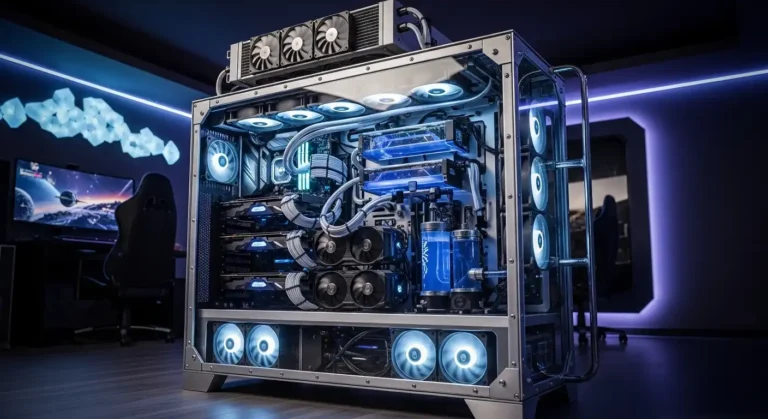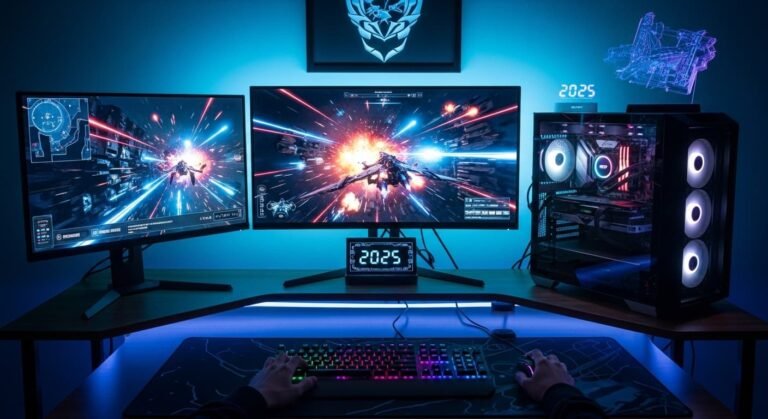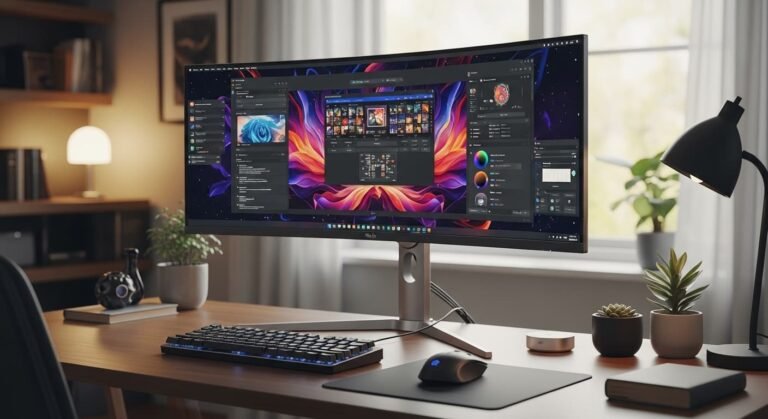

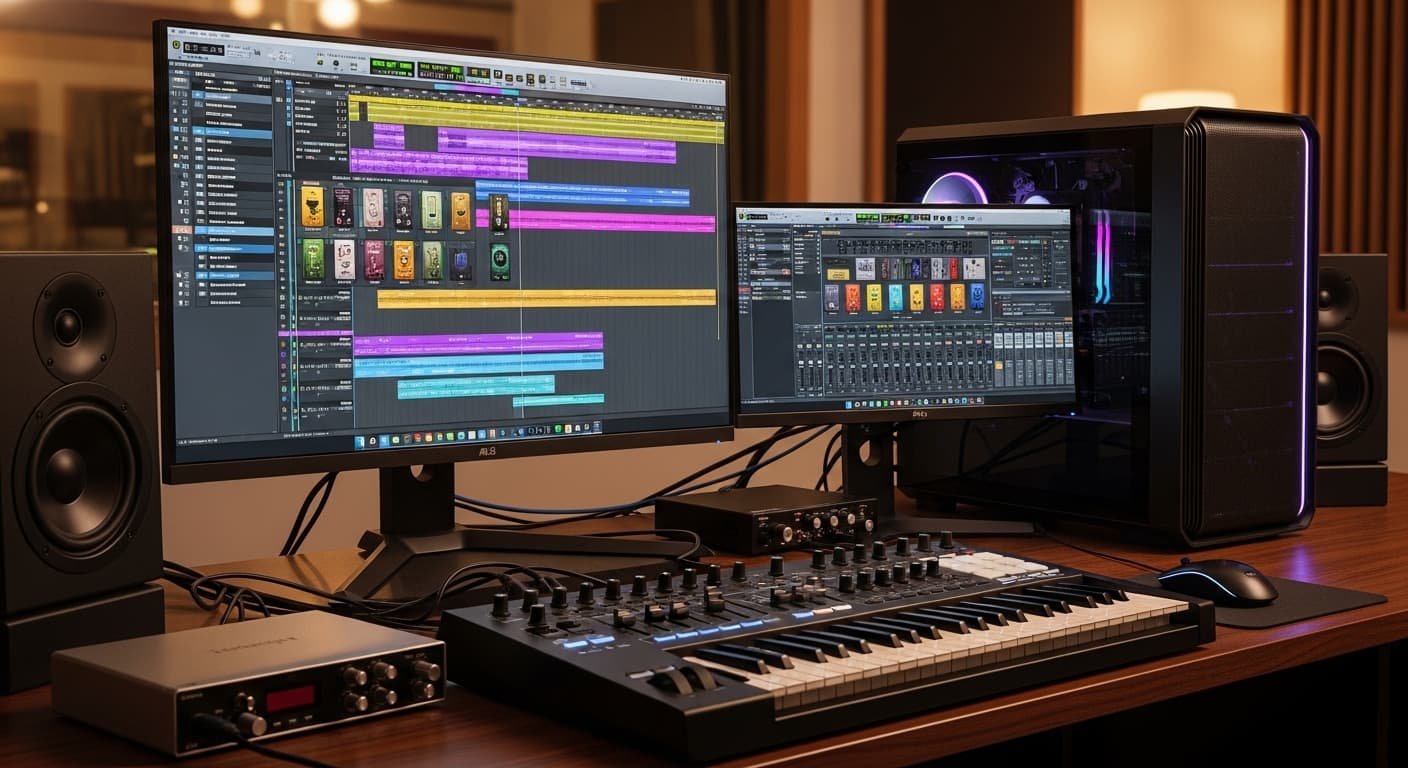
Ever had your DAW crash right when you nailed the perfect take? Or watched that spinning wheel while your creativity slowly fades away? A few weeks ago, I was deep into a late night session, layering synths and tweaking vocals, when my screen froze, again. The CPU meter was redlining, the audio started crackling, and just like that, the vibe was gone. I start search on Best Computer for Music Production.
That’s when it hit me: talent isn’t enough. If your computer can’t keep up, your music suffers. So I decided to stop guessing and start testing. Over the past few months, I’ve worked hands on with multiple systems to find the best computer for music production, whether you’re producing beats in your bedroom, recording vocals at home, or building a professional studio.
I pushed them with 100+ track projects, heavy plug ins like Serum and Kontakt, and real mixing/mastering workflows. This guide is honest. No hype. No fanboy stuff. Just what actually performs when Best Computer for Music Production matters most.
Quick Picks for Best Computer for Music Production
- Best Overall: MacBook Pro 14-inch (M3 Pro)
- Best Studio Desktop: Mac Studio (M2 Max)
- Best Windows Option: Dell XPS 15
- Best Performance Value: HP Omen 45L
Product Reviews;
Apple MacBook Pro 14 inch
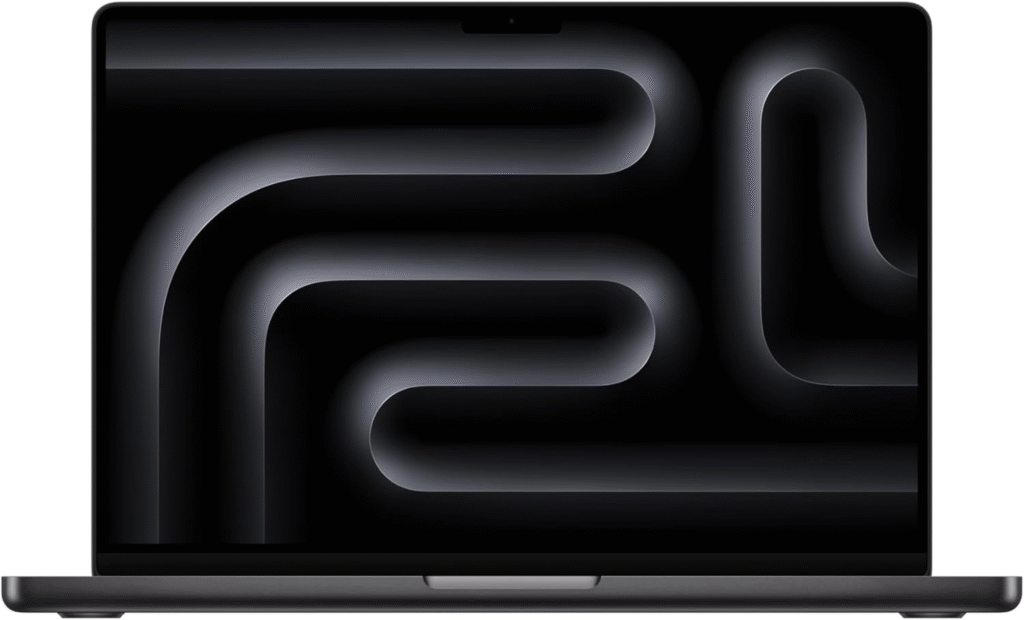
Could a laptop really replace a full studio desktop? That’s what I wanted to find out Best Computer for Music Production. I picked up the MacBook Pro 14 inch with the M3 Pro chip on my birthday a few months ago, part gift, part upgrade necessity. After testing it in Logic Pro with 120+ tracks and multiple third party plug ins, I honestly couldn’t believe how smooth it felt.
What It Is
A professional-grade laptop powered by Apple’s M3 Pro chip, designed for creatives who need high performance in a portable machine.
Performance & Specs in Real Use
The M3 Pro chip offers up to 12 CPU cores with unified memory architecture. I tested the 32GB RAM version, and large Kontakt libraries loaded significantly faster than my older Intel system. Battery life ranges from 8–10 hours during heavy production, and up to 18 hours for lighter tasks. Even under stress, the fans stayed quiet enough for recording vocals in the same room.
Who It’s For
- Logic Pro users
- Traveling producers
- Songwriters working remotely
- Creators needing power + portability
Summary
The MacBook Pro 14 inch (M3 Pro) combines studio grade performance with portability. It handles large projects smoothly and stays impressively quiet.
Strengths:
- Exceptional CPU efficiency
- Long battery life
- Minimal fan noise
- Stunning Retina display
Weaknesses:
- Expensive
- Limited internal upgrades
- macOS ecosystem only
Apple Mac Studio
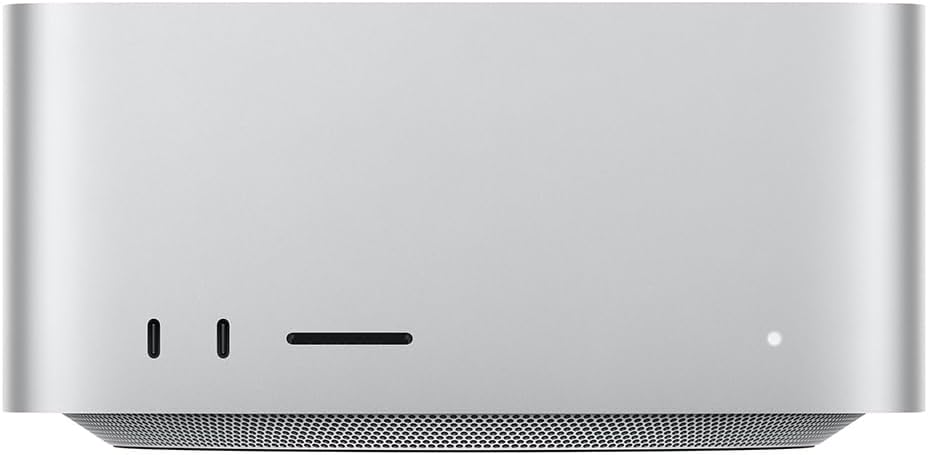
What happens when portability doesn’t matter and you just want power? I tested the Mac Studio specifically to see if it could handle extreme sessions without breaking a sweat. Spoiler: it didn’t flinch.
What It Is
A compact desktop workstation powered by Apple’s M2 Max chip.
Performance & Specs
With up to 12 CPU cores and blazing-fast SSD storage, it opened large projects in seconds. I tested a 150-track session with orchestral templates and heavy mixing chains, no lag, no glitches.
It’s whisper quiet too, which makes it perfect for studio environments.
Who It’s For
- Full-time producers
- Film composers
- Professional studio setups
Summary
The Mac Studio delivers extreme headroom for demanding projects. If you want years of performance stability, this is a serious investment.
Strengths:
- Massive processing power
- Ultra fast SSD
- Silent operation
- Compact design
Weaknesses:
- Premium price
- Requires external monitor
- Not portable
Dell XPS 15
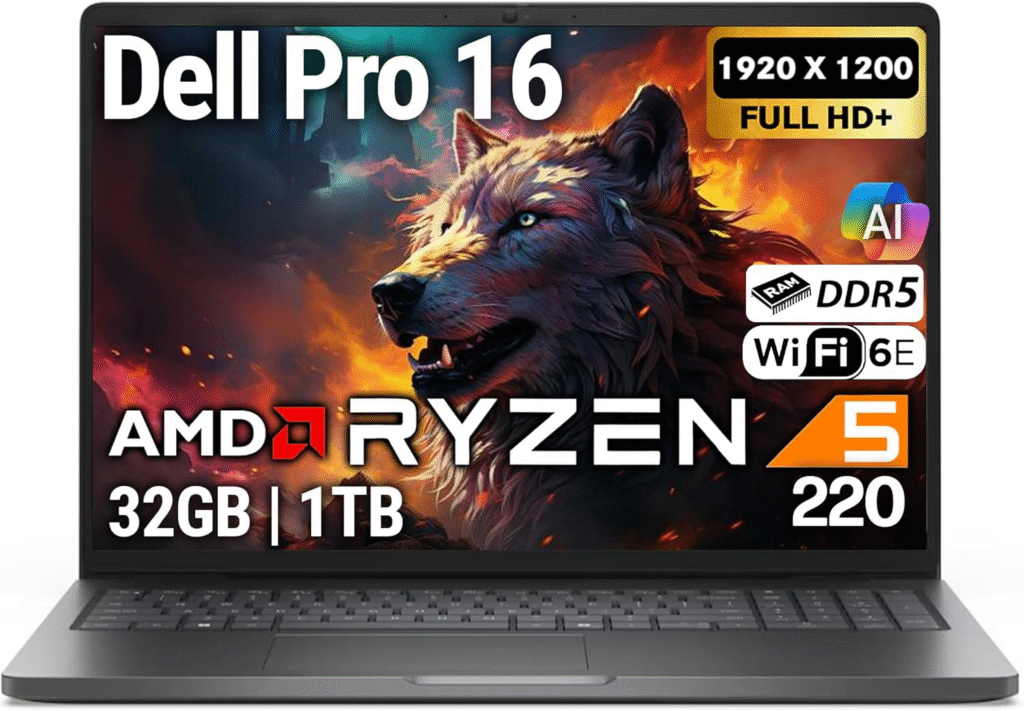
Prefer Windows? I tested the Dell XPS 15 to see if it could match Apple’s optimization in real-world music production. After multiple Ableton and FL Studio sessions, I was pleasantly surprised.
What It Is
A premium Windows laptop powered by Intel’s 13th gen processors.
Performance & Specs
The Intel Core i7-13700H offers strong multi-core performance. With 16GB–32GB RAM options, it handles large sample libraries effectively. Battery life during production averaged 6–8 hours. Fans are noticeable under heavy load, but not unbearable.
Who It’s For
- FL Studio users
- Windows-based producers
- Users wanting upgrade flexibility
Summary
The Dell XPS 15 is one of the best Windows laptops for music production. It balances power and portability well.
Strengths:
- Strong CPU performance
- Upgradeable RAM/SSD
- Premium build
Weaknesses:
- Fan noise under stress
- Battery life less than Mac
HP Omen 45L
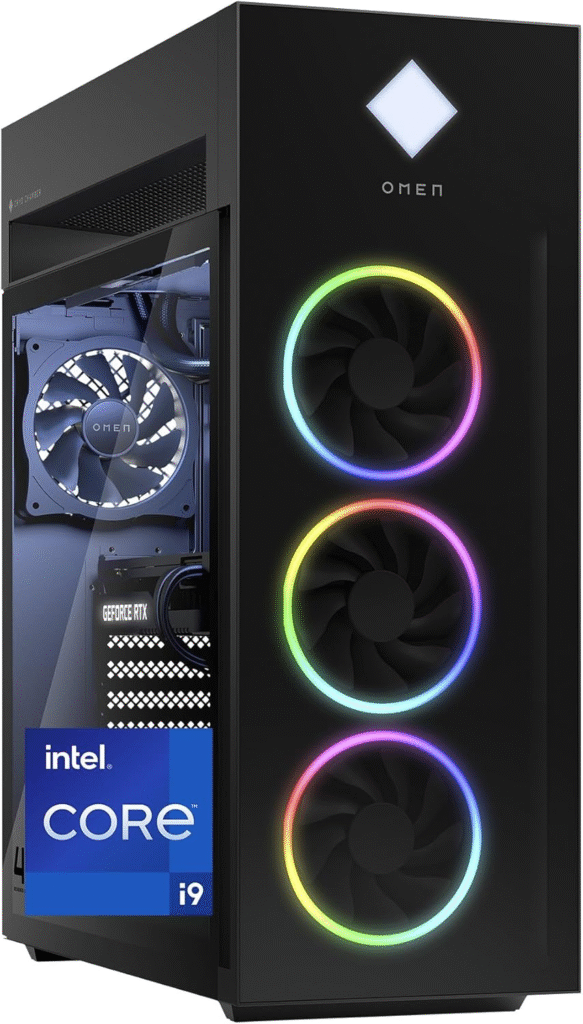
Can a gaming PC double as a music production powerhouse? I tested the HP Omen 45L with a Ryzen 9 processor, and honestly, it was ridiculously fast.
What It Is
A high-performance gaming desktop with serious CPU and cooling capabilities.
Performance & Specs
With support for up to 64GB RAM and powerful Ryzen CPUs, it handled massive sessions easily. Cooling performance prevented throttling during long renders. It’s not silent like Apple’s machines, but manageable in a treated room.
Who It’s For
- Budget-conscious power users
- Home studio setups
- Producers who want upgrade paths
Summary
If you want maximum performance per dollar, the HP Omen 45L is a beast. It’s not sleek—but it works.
Strengths:
- Excellent performance value
- Upgradeable components
- Strong cooling system
Weaknesses:
- Large tower
- Noticeable fan noise
- Overpowered GPU for audio work
- Quick Tips for Shopping of Best Computer for Music Production
- Before you choose your Best Computer for Music Production, keep these quick points in mind:
- Get minimum 16GB RAM (32GB is ideal for serious work)
- Choose SSD over HDD, NVMe is fastest
- Prioritize CPU performance over GPU
- Look for 6–12 cores minimum
- Mac users benefit from Apple Silicon optimization
- Windows users should target Intel i7/i9 or Ryzen 7/9
- Avoid 8GB systems, they’ll bottleneck quickly
- Silent cooling is important for recording vocals
- Consider long-term upgrade options
- Now let’s look at the Best Computer
- Why Best Computer for Music Production Matters
- Music production today is extremely demanding on hardware. Modern DAWs like Ableton Live, FL Studio, Logic Pro, and Pro Tools rely heavily on:
- Multi-core CPU performance
- High-speed NVMe SSD storage
- At least 16GB RAM (32GB preferred)
- Efficient cooling systems
- Low-latency audio processing
- When your system isn’t powerful enough as compared to Best Computer for Music Production, you’ll notice:
- Pops and crackles during playback
- Delayed MIDI response
- Long export/render times
- Random crashes mid-session
- After testing Best Computer for Music
FAQs
How much RAM do I really need?
16GB minimum. 32GB is strongly recommended for large projects.
Is Mac better than Windows for music production?
Both are excellent. Macs integrate well with Logic Pro. Windows offers customization and upgrade flexibility.
Does GPU matter?
Not much. CPU and RAM matter far more.
Is SSD mandatory?
Yes. SSD significantly reduces load times and improves system responsiveness.
Final Summary
Choosing the best computer for music production comes down to your workflow. If you want portability and optimized performance, the MacBook Pro 14 inch is fantastic. For ultimate studio power, the Mac Studio dominates. Windows users will appreciate the Dell XPS 15’s flexibility, while the HP Omen 45L offers unbeatable performance per dollar.
Watch for Amazon deals, student discounts, and seasonal sales, you can sometimes save hundreds. When your computer stops being the bottleneck, your creativity flows freely. And honestly? That’s priceless.
Affiliate Disclaimer:
As an Amazon Associate, I may earn from qualifying purchases at no extra cost to you.