
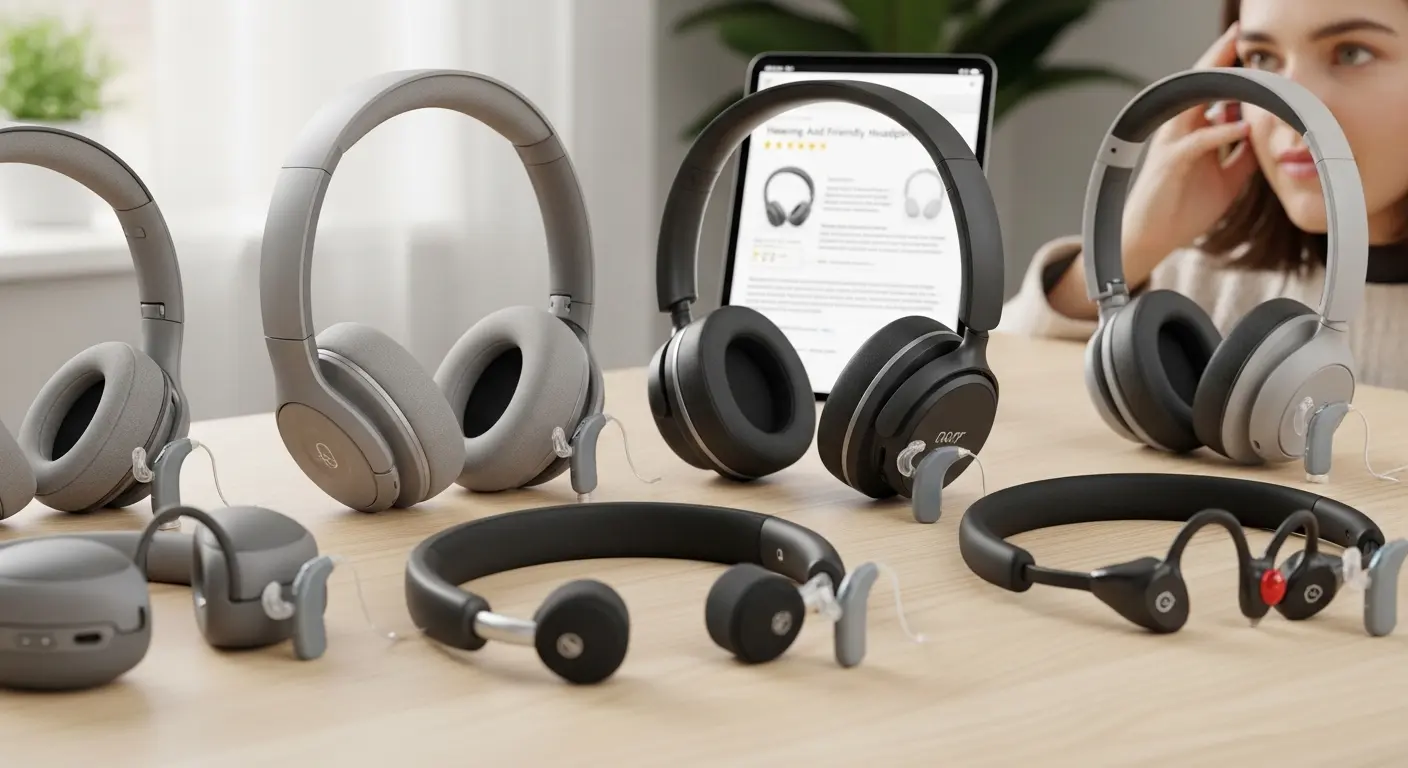
Have you ever put on your favorite headphones… only to hear that annoying whistle from your hearing aids instead of your music? I’ve been there, and if you wear hearing aids, especially behind-the-ear models, you probably have too. The truth is, many headphone designs simply don’t work well with hearing aids. They press on the microphones, create feedback loops, or make music sound flat and distorted.
The good news? There are headphones that work beautifully with hearing aids, you just need the right design.
Recent recommendations from hearing specialists and users suggest that large over-ear headphones with soft cushioning or bone-conduction models tend to perform best. Popular choices like Sony WH-1000XM5 and Bose QuietComfort Ultra offer deep ear cups and excellent noise cancellation, while Shokz bone-conduction headphones provide an open-ear design that avoids interference entirely. The key is preventing feedback while keeping the headphones comfortable around hearing aids.
In this guide, I’ll walk you through the best headphones for hearing aids, explain why feedback happens, and share real-world insights from people who’ve tested these setups daily. If you love music, podcasts, or gaming but rely on hearing aids, this article will help you find the perfect listening setup without frustration.
Product Reviews: Best Headphones for Hearing Aids
Sony WH-1000XM5
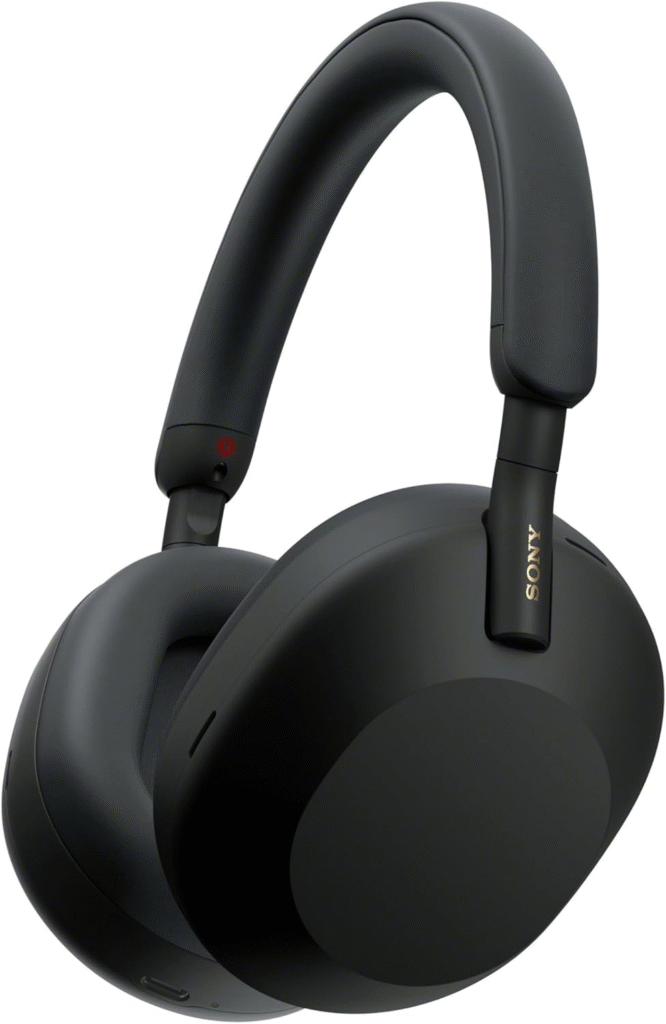
The Sony WH-1000XM5 is widely considered one of the best noise-canceling headphones available today, and it’s also a favorite among hearing aid users. The ear cups are large and well-padded, making them ideal for covering both your ear and hearing aid without pressing too tightly.
For many people who rely on behind-the-ear hearing aids, this model offers a rare combination of comfort, sound quality, and minimal feedback issues.
Key Features
- Industry-leading active noise cancellation
- Up to 30 hours of battery life
- Lightweight design with deep ear cups
- Adaptive sound control and app-based EQ
- Multipoint Bluetooth connectivity
Why I like it
- Large ear cups reduce feedback problems
- Excellent sound quality for music lovers
- Extremely comfortable for long listening sessions
Why I dislike it
- Premium price compared with basic headphones
- Noise cancellation can sometimes conflict with hearing aid settings
Bose QuietComfort Ultra
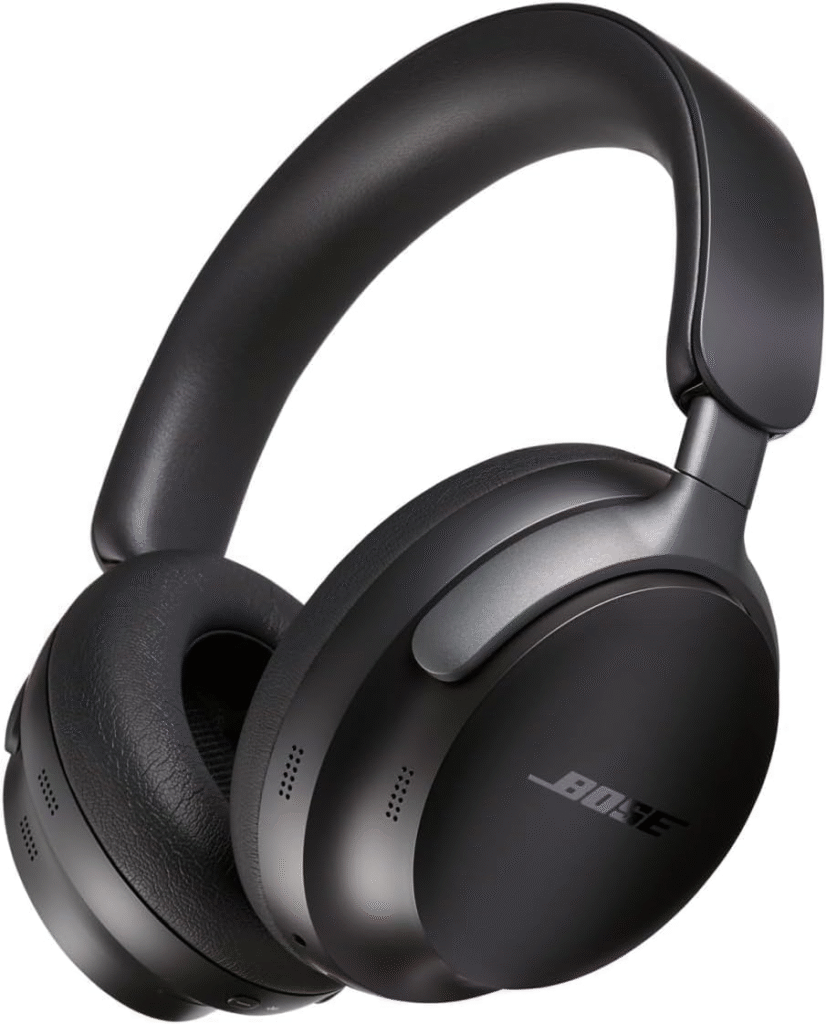
Bose has built a reputation for exceptional comfort and noise cancellation, and the QuietComfort Ultra continues that tradition. For hearing aid users, the soft ear cushions and spacious design help prevent pressure against hearing aids.
If your priority is all-day comfort and immersive listening, these headphones are a fantastic option.
Key Features
- Powerful active noise cancellation
- Spatial audio technology
- Soft memory-foam ear cushions
- Up to 24 hours battery life
- Lightweight and foldable design
Pros
- Some of the most comfortable headphones available
- Great for travel and noisy environments
- High-quality balanced sound
Cons
- Slightly shorter battery life than competitors
- Premium price
Sennheiser Momentum 4 Wireless
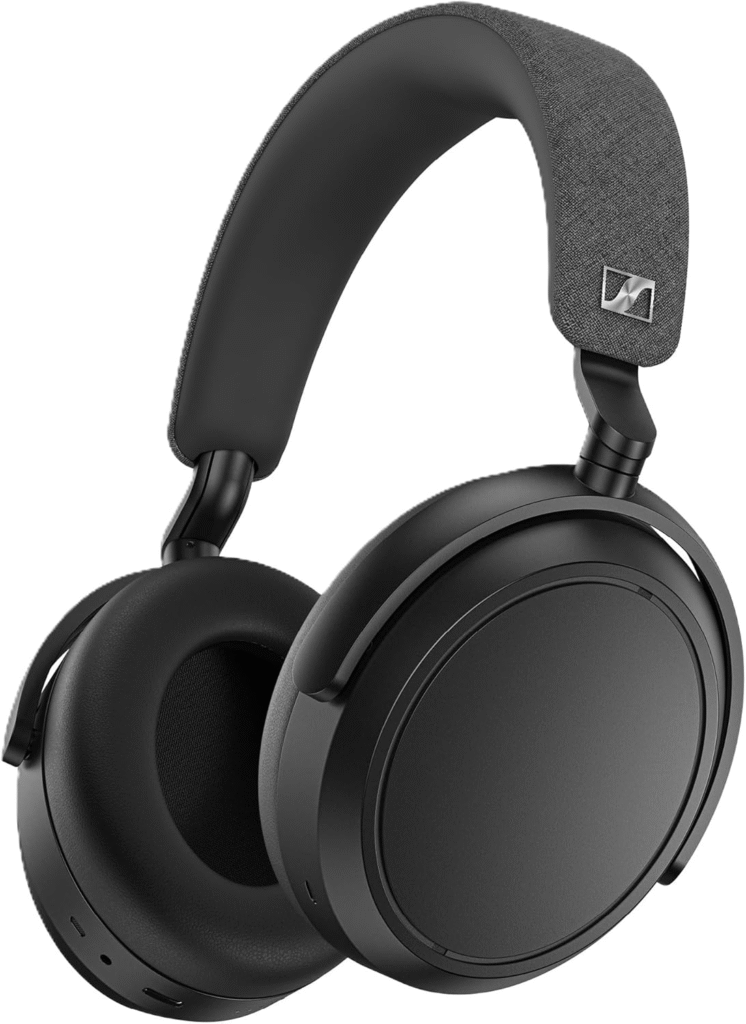
If you care deeply about audio quality, the Sennheiser Momentum 4 Wireless deserves attention. Sennheiser has long been respected in the audiophile community, and this model delivers detailed, rich sound.
Many hearing aid users prefer this headphone because the ear cups are large enough to sit comfortably around hearing aids, reducing pressure and feedback.
Key Features
- Outstanding 60-hour battery life
- Audiophile-level sound tuning
- Large circumaural ear cups
- Adaptive noise cancellation
- Comfortable headband design
Strengths
- Exceptional sound quality
- Extremely long battery life
- Comfortable for extended listening
Weaknesses
- Noise cancellation not as strong as Sony or Bose
- Slightly bulky design
Corsair HS80 Max
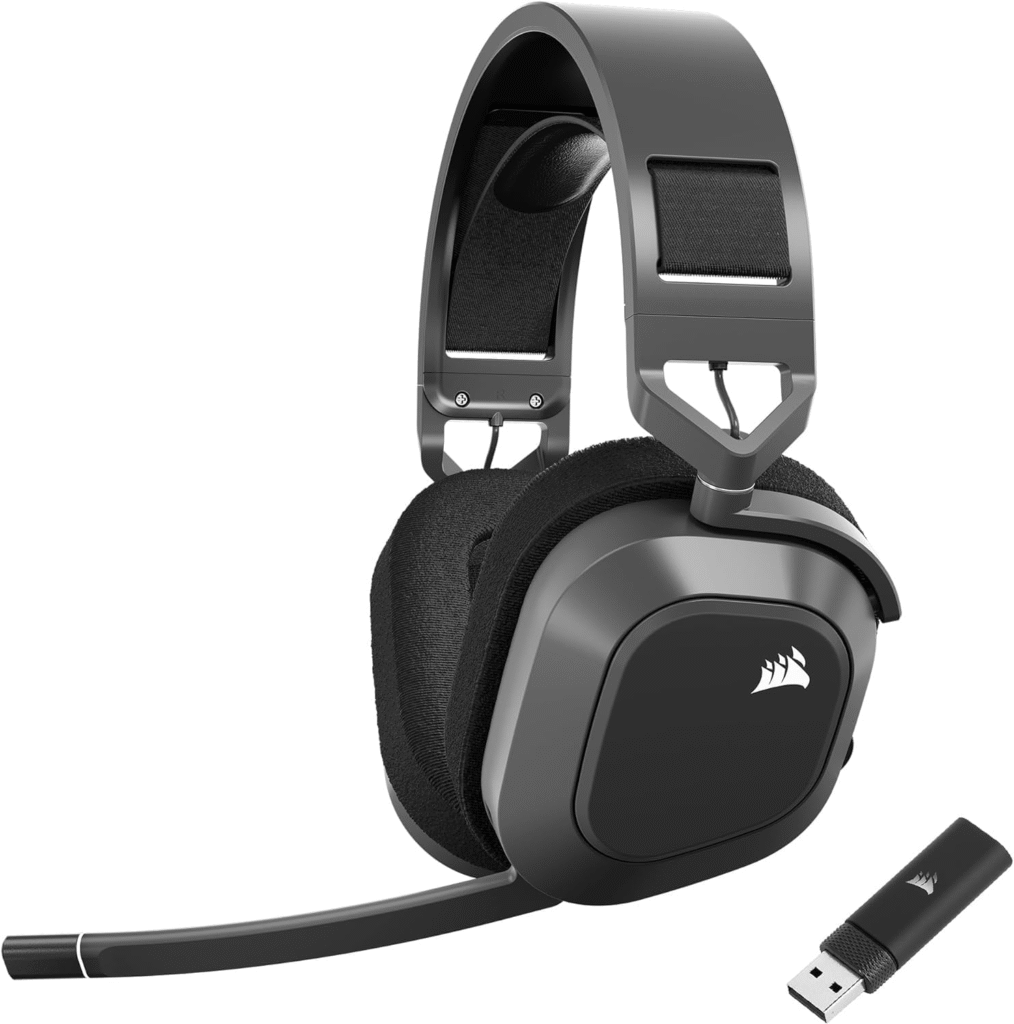
The Corsair HS80 Max is mainly designed for gamers, but it’s surprisingly useful for hearing aid users too. Its large ear cups and spacious padding leave room for hearing aids, making it a solid option for gaming or long work calls.
If you spend hours wearing a headset for meetings or gaming sessions, comfort becomes essential, and this model delivers.
Key Features
- Large cushioned ear cups
- Wireless connectivity with long range
- Up to 65 hours battery life
- Excellent microphone for calls
- Durable gaming-style build
Buy it if
- You need a comfortable headset for gaming or work calls
- You want large ear cups that don’t press hearing aids
Don’t buy it if
- You want audiophile-grade music quality
- You prefer lightweight travel headphones
Shokz OpenRun (Bone-Conduction Headphones)
View on Amazon
If over-ear headphones still cause feedback issues, bone-conduction headphones may be the perfect solution. The Shokz OpenRun sits outside your ears and sends sound through your cheekbones, leaving the ear canal open.
This means no pressure on hearing aids and no feedback loop, making them one of the most comfortable options available.
Key Features
- Bone-conduction audio technology
- Open-ear design for safety and awareness
- Up to 8 hours battery life
- Lightweight sport-friendly build
- Water-resistant design
Reason to buy
- No interference with hearing aids
- Extremely comfortable
- Great for exercise or outdoor use
Reason to not buy
- Sound quality isn’t as rich as traditional headphones
- Limited bass response
- Why Finding the Right Headphones for Hearing Aids Matters
- When I first started researching this topic, I thought any good pair of headphones would work. After all, if they sound amazing for everyone else, why wouldn’t they work for hearing aid users?
- But I quickly learned the challenge.
- Hearing aids have tiny microphones and speakers, and when headphones sit too close to them, the sound loops back into the microphone. That’s what creates the high-pitched squealing known as feedback.
- Users often report three common problems:
- Whistling or feedback noises
- Headphones pressing against hearing aids
- Poor sound quality for music
- For audiophiles and musicians, the third issue can be the most frustrating. Many hearing aids are optimized for speech clarity rather than full-range music, meaning bass frequencies and subtle audio details may get lost.
- That’s why choosing the right headphone design is crucial.
- What actually works best
- Based on real-world testing and recommendations, the most reliable options include:
- Large circumaural (over-ear) headphones
- Headphones with deep ear cups
- Bone-conduction headphones
- Soft cushions that avoid pressing hearing aids
- Let’s look at the top models that consistently perform well.
Quick Picks: Best Headphones for Hearing Aids
If you want a quick recommendation, here are the standout options:
Best Overall: Sony WH-1000XM5
Best Comfort: Bose QuietComfort Ultra
Best Sound Quality: Sennheiser Momentum 4
Best for Gaming & Work Calls: Corsair HS80 Max
Best Open-Ear Option: Shokz OpenRun
These models are commonly available on Amazon and other retailers, where you may find seasonal discounts, bundle deals, or free shipping options.
FAQs
Do headphones cause feedback with hearing aids?
Yes, they can. Feedback happens when sound from the headphone speaker enters the hearing aid microphone. Choosing large over-ear headphones or bone-conduction models helps prevent this problem.
Are over-ear headphones better for hearing aid users?
Generally yes. Circumaural headphones with large ear cups allow space for hearing aids and reduce pressure that can trigger feedback.
Can I stream audio directly to hearing aids?
Many modern hearing aids support Bluetooth streaming from phones or TVs. However, some users prefer headphones because they provide better bass and fuller sound for music.
Do bone-conduction headphones work with hearing aids?
Yes. Because they don’t cover your ears, bone-conduction headphones avoid feedback issues entirely.
What features should I look for?
Key features include:
- Large ear cups
- Soft cushioning
- Good noise cancellation
- Long battery life
- Comfortable fit for extended use
Summary
Finding the best headphones for hearing aids can feel frustrating at first, but the right design makes all the difference. Large over-ear models like the Sony WH-1000XM5, Bose QuietComfort Ultra, and Sennheiser Momentum 4 provide excellent comfort and sound quality while reducing feedback issues.
For people who still struggle with interference, bone-conduction headphones like the Shokz OpenRun offer a unique alternative that keeps your ears completely free.
Every option has its strengths and drawbacks. Over-ear headphones deliver richer sound and better noise cancellation, while bone-conduction models prioritize comfort and compatibility.
Affiliate Disclaimer: This article may contain Amazon affiliate links. If you purchase through these links, I may earn a small commission at no extra cost to you.