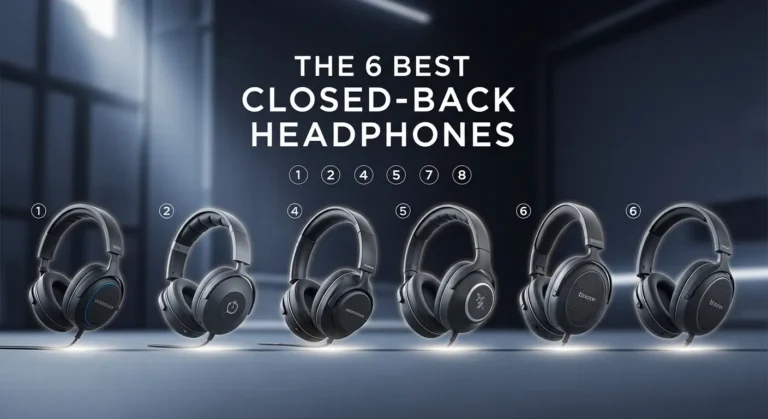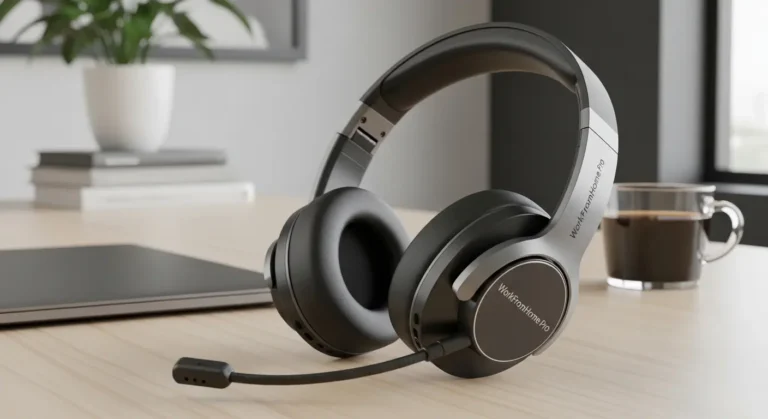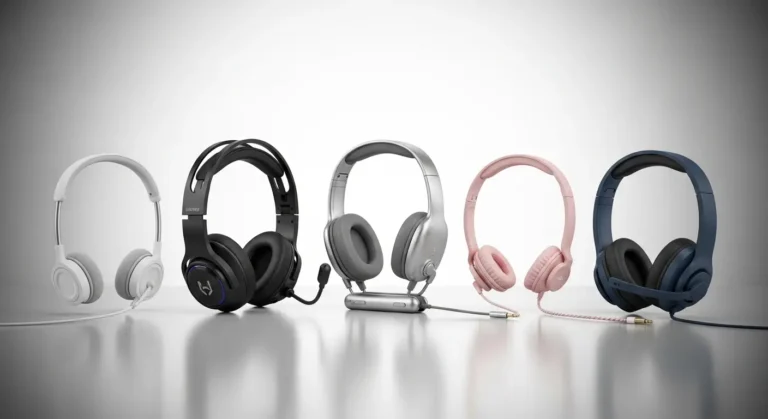

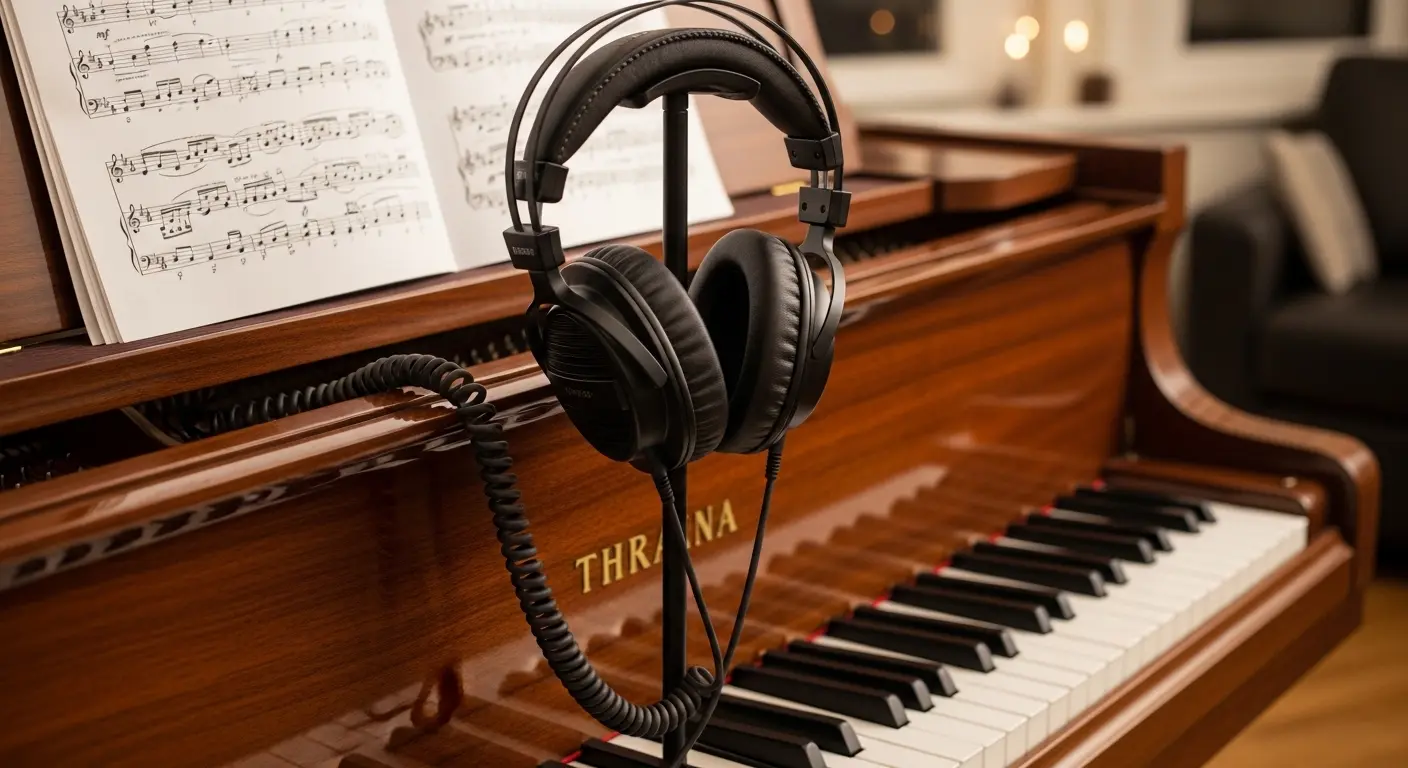
A while back, I started practicing piano late at night. My schedule was packed during the day, so evenings were the only quiet time I had to sit down and play. But after a few nights, my family started mentioning they could still hear the piano through the walls. Even when I used the headphone jack on my digital piano, the cheap headphones I had didn’t sound great.
The notes felt flat, the bass sounded muddy, and sometimes the higher keys were way too sharp. Practicing like that actually made it harder to hear my mistakes clearly.
That’s when I realized something important: not all headphones are good for piano practice.
After testing several options over time, I found a few models that truly made a difference. Good piano headphones help you hear the full detail of each note, the dynamics between soft and loud passages, and the natural tone of the instrument.
If you’re looking for the best headphones for piano, I’ll walk you through the ones I personally recommend and explain why they work so well.
Quick Overview of the Top 3 Headphones
After trying several models, these three consistently stood out for piano players:
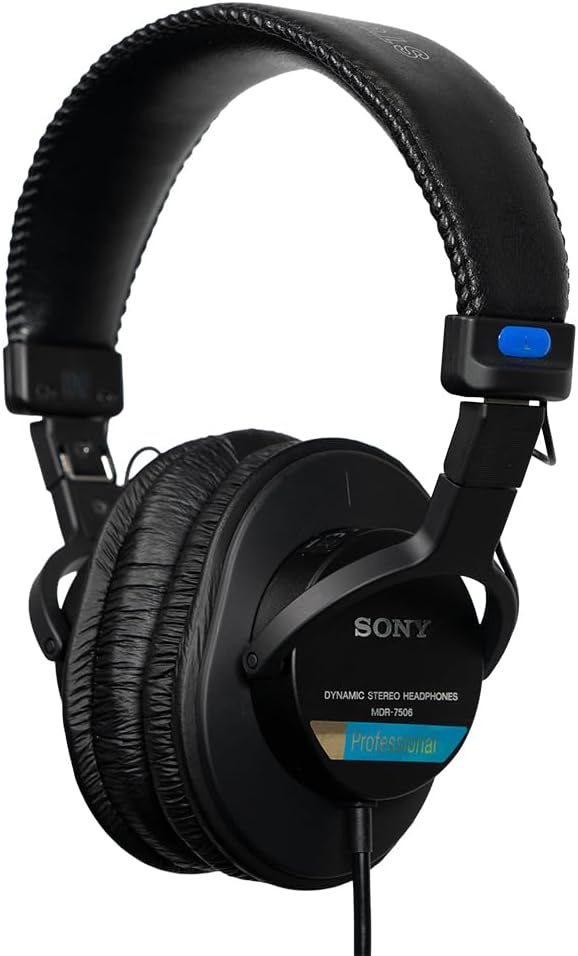
Sony MDR-7506 – Excellent clarity and detail. A classic studio headphone that works beautifully for piano practice.
Audio-Technica ATH-M50x – Powerful sound with balanced tone and comfortable ear cups for longer practice sessions.
Sennheiser HD 280 Pro – Fantastic noise isolation and natural sound, great for focused practice.
Each of these headphones has slightly different strengths depending on your needs.
Let’s go deeper into how they perform.
Sony MDR-7506
My Experience Using It
The first time I tried the Sony MDR-7506 with my digital piano, I immediately noticed how clear every note sounded.
When playing complex chords or fast passages, the notes stayed separated instead of blending together. Even subtle dynamics, like soft touches on the keys, were easy to hear.
They also felt surprisingly lightweight, which made long practice sessions much more comfortable.
Who It Is Best For
These headphones are ideal for:
- Piano students
- Home practice
- Recording setups
- Musicians who want accurate sound
If your goal is hearing your piano exactly as it should sound, these are excellent.
Key Features and Benefits
The Sony MDR-7506 has been used in recording studios for years for a reason.
Key highlights include:
- 40mm drivers for clear sound reproduction
- Closed-back design for reduced sound leakage
- Wide frequency response for detailed piano tones
- Foldable design for easy storage
The sound signature is very neutral, which is perfect for piano.
Real-World Use Cases
I’ve used these headphones while practicing in the living room late at night.
Even with people watching TV nearby, I could focus entirely on the piano. They also work well if you record music or connect your keyboard to an audio interface.
Pros
- Extremely clear and detailed sound
- Lightweight and comfortable
- Durable studio-quality build
- Great value for the price
Cons
- Ear pads can wear out after heavy use
- Cable is not detachable
Why I Recommend It
If someone asked me for a reliable and affordable option, this is usually the first headphone I suggest for piano players.
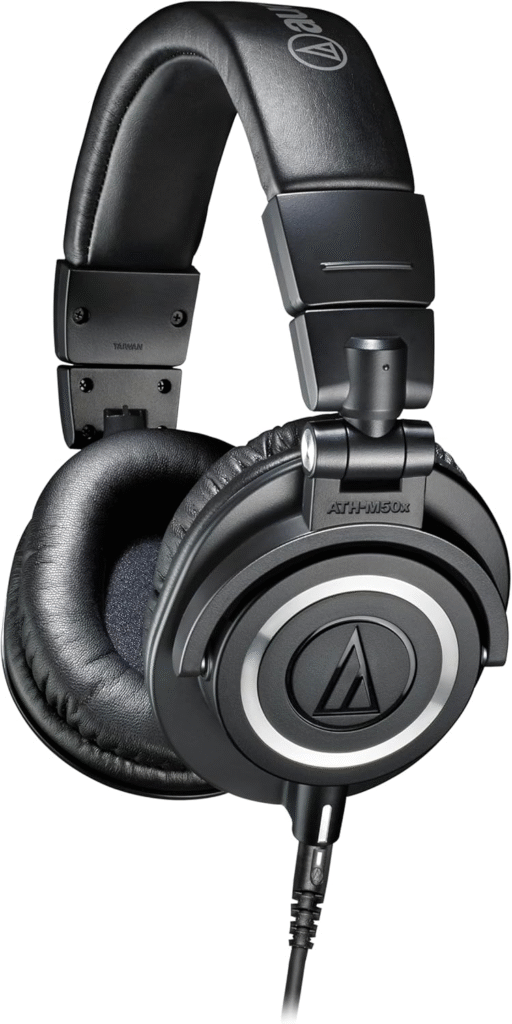
Audio-Technica ATH-M50x
My Experience Using It
When I switched from the Sony headphones to the Audio-Technica ATH-M50x, the first thing I noticed was the fuller sound.
The low notes on the piano felt deeper and richer. Chords sounded more powerful, especially when playing classical or cinematic pieces.
The ear cups are also larger and softer, which made long practice sessions very comfortable.
Who It Is Best For
These headphones are perfect for:
- Pianists who also listen to music frequently
- Producers or home studio users
- Players who want richer bass response
They balance accurate sound with a slightly warmer tone.
Key Features and Benefits
The ATH-M50x includes several features musicians love:
- 45mm large-aperture drivers
- Detachable cable options
- Rotating ear cups
- Excellent build quality
The detachable cables are particularly useful if you travel with your keyboard.
Real-World Use Cases
I often use these when practicing for longer periods.
Because the ear pads are thicker, they feel comfortable even after an hour or two of playing. They also work well when editing recordings or listening to music afterward.
Pros
- Powerful, rich sound
- Comfortable ear pads
- Detachable cables
- Strong build quality
Cons
- Slightly heavier than some alternatives
- Bass can feel a little boosted for purists
Why I Recommend It
If you want headphones that are great for both piano practice and music listening, these are a fantastic choice.
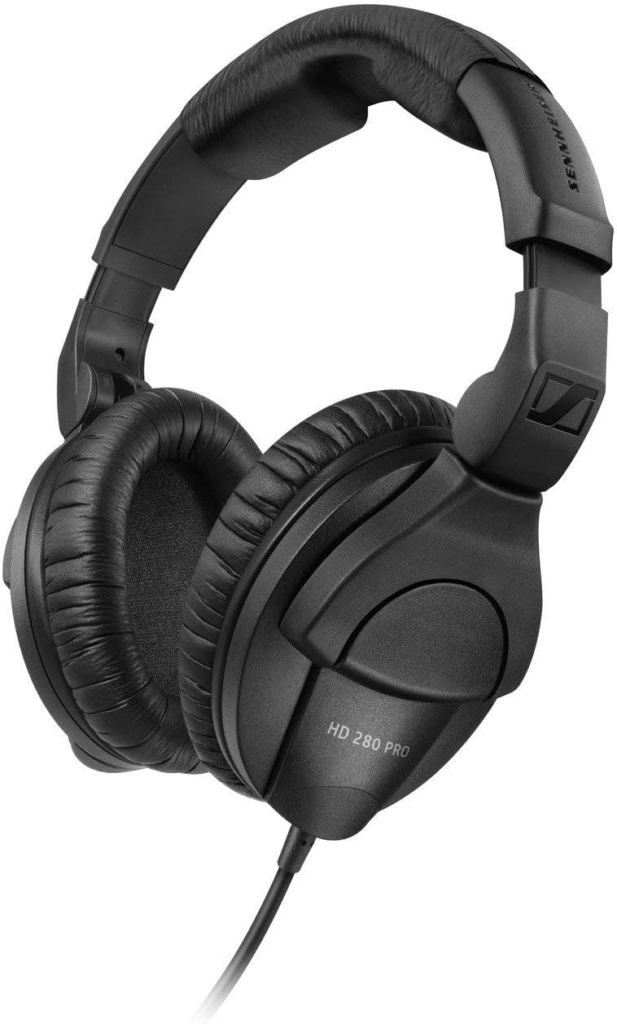
Sennheiser HD 280 Pro
My Experience Using It
The Sennheiser HD 280 Pro surprised me with its noise isolation.
Once I put them on, outside sounds almost disappeared. That made it much easier to focus entirely on my playing.
The sound is also very natural, which helps when practicing classical pieces or working on technique.
Who It Is Best For
These headphones work best for:
- Focused piano practice
- Noisy environments
- Students who share living spaces
If you practice in apartments or busy homes, they can be incredibly helpful.
Key Features and Benefits
Some standout specs include:
- Excellent passive noise isolation
- Accurate, neutral sound profile
- Durable studio design
- Comfortable padded headband
They block outside noise without needing active noise cancellation.
Real-World Use Cases
I’ve used these in situations where background noise could easily distract me.
For example, practicing while family members were cooking or watching TV. The isolation really helped me stay focused on my playing.
Pros
- Strong noise isolation
- Very accurate sound
- Comfortable for long sessions
- Durable build
Cons
- Bulkier than some headphones
- Tight fit initially
Why I Recommend It
If you need maximum focus during piano practice, these headphones are excellent.
Why Choosing the Right Headphones for Piano Matters
When you’re playing piano, especially a digital one, sound accuracy is everything.
Cheap headphones often boost bass or treble artificially. That might work for casual music listening, but it can distort the tone of a piano.
With the right headphones, you’ll notice:
- Clear separation between low, mid, and high notes
- Natural piano tone without distortion
- Better ability to hear mistakes while practicing
- Less ear fatigue during long sessions
- A more immersive playing experience
If you practice regularly, investing in the best headphones for piano can make a surprising difference in how you hear and improve your playing.
What to Look for When Buying Headphones for Piano
When choosing the best headphones for piano, there are a few features that really matter.
Sound Accuracy
Piano has a wide frequency range, so headphones should reproduce both low and high notes clearly.
Comfort
You might practice for long sessions, so padded ear cups and a comfortable headband are important.
Closed-Back Design
Closed-back headphones help prevent sound leakage and keep your practice private.
Cable Length
Many digital pianos are positioned away from your seating area, so longer cables can be helpful.
Durability
If you practice daily, sturdy build quality matters.
Factors to Consider Before Buying
Before picking a pair, think about how you’ll use them.
Practice environment:
If you live in a quiet house, almost any good headphone works. If your home is noisy, strong isolation helps.
Playing duration:
Long practice sessions require comfortable ear pads.
Budget:
Fortunately, many great piano headphones are reasonably priced.
Compatibility:
Most digital pianos use a 1/4-inch headphone jack, so you may need an adapter.
Comparison Between the Three Headphones
Each of these headphones shines in different areas.
The Sony MDR-7506 focuses on clarity and precision. It’s great for hearing every detail in your playing.
The Audio-Technica ATH-M50x provides richer sound and excellent comfort, making it ideal for long sessions or music listening.
The Sennheiser HD 280 Pro offers the best noise isolation, which is perfect for practicing in busy environments.
In terms of comfort, the Audio-Technica feels the softest.
For pure accuracy, the Sony stands out.
For focus and isolation, the Sennheiser wins.
Final Verdict:
The best headphones depend on how you practice.
If you want the most accurate sound for piano, the Sony MDR-7506 is my top recommendation.
If comfort and versatility matter most, the Audio-Technica ATH-M50x is fantastic.
If you practice in noisy environments, the Sennheiser HD 280 Pro offers the best isolation.
All three are excellent options for anyone searching for the best headphones for piano practice.
Frequently Asked Questions
Do I need special headphones for a digital piano?
Not necessarily, but studio-style headphones usually work best because they provide accurate sound reproduction.
Are wireless headphones good for piano practice?
Wireless headphones can introduce audio delay. Wired headphones are usually better for playing instruments.
What impedance should piano headphones have?
Most digital pianos work best with headphones between 32 and 80 ohms, which ensures enough volume and clarity.
Amazon Affiliate Disclaimer
As an Amazon Associate, I earn from qualifying purchases. This helps support the website at no additional cost to you.