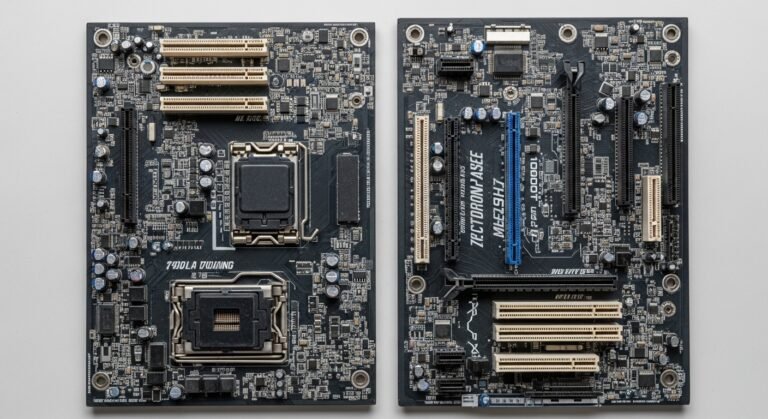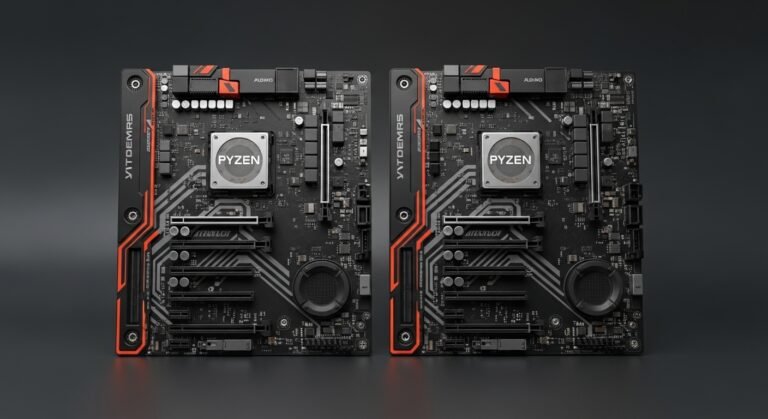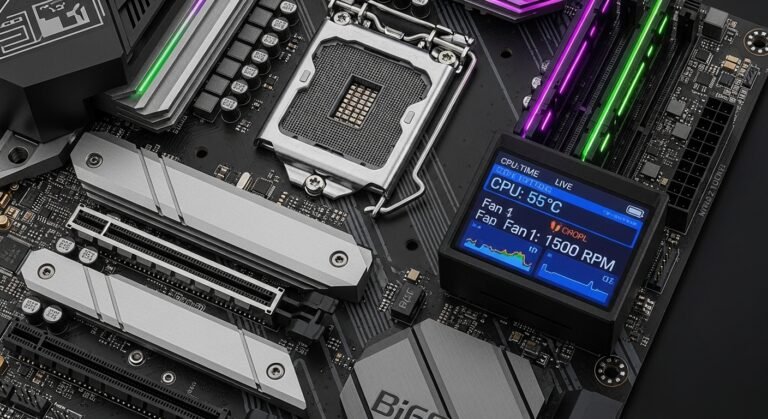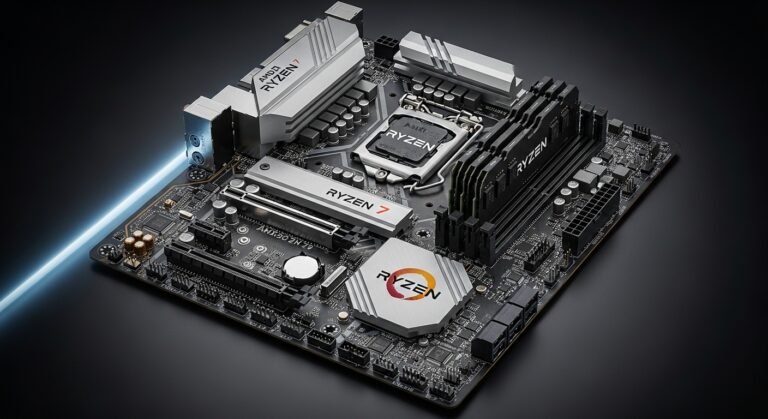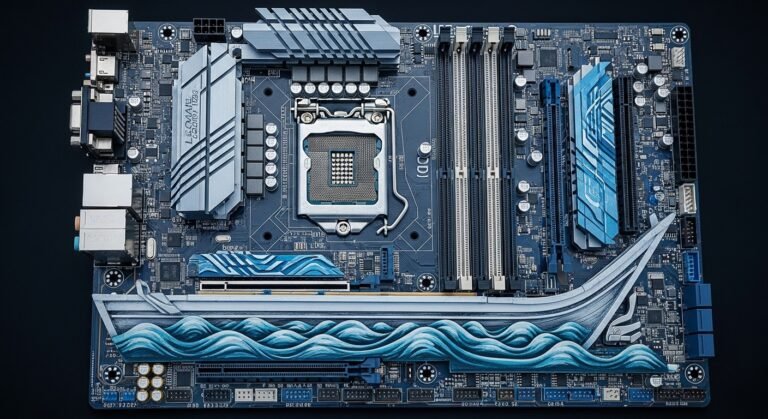

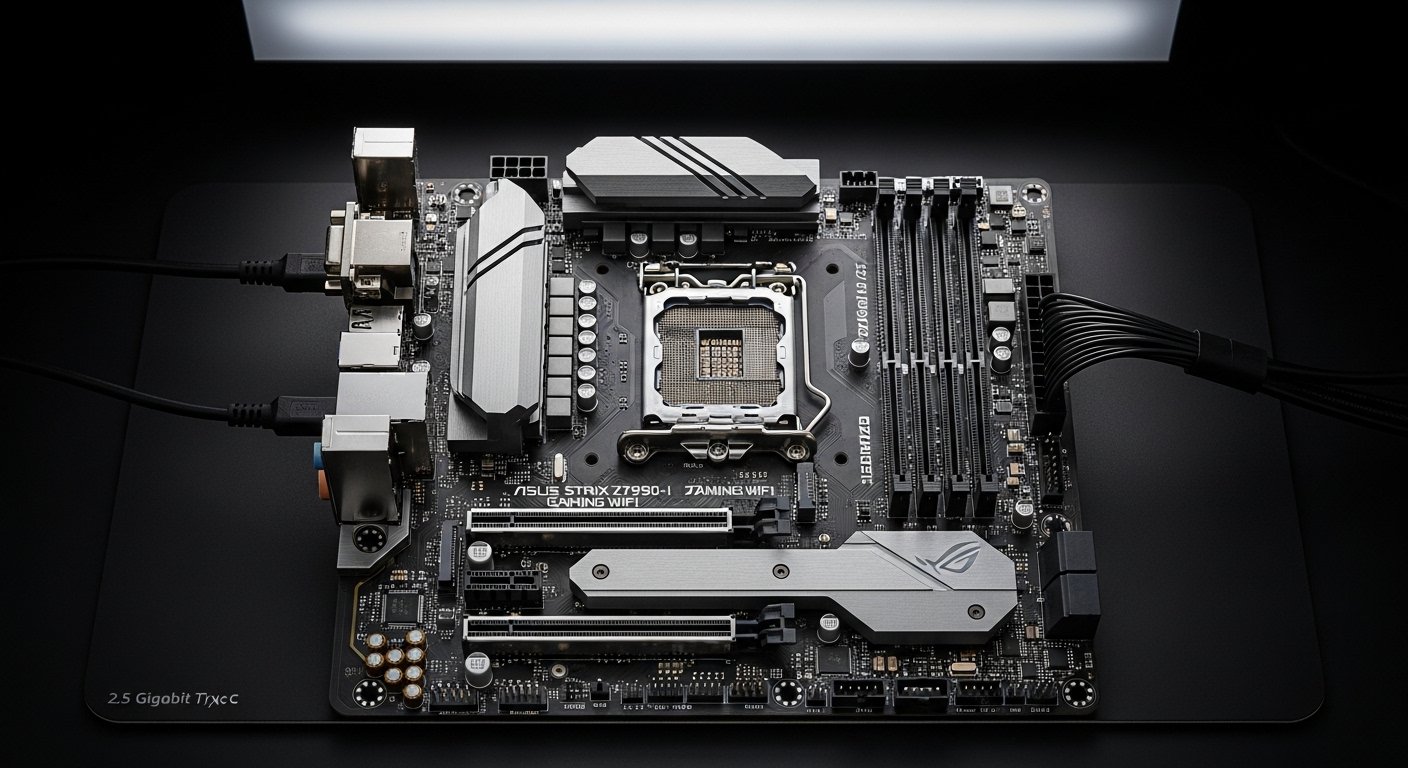
A few months ago, I found myself staring at The Best LGA 1700 ITX Motherboard on my des and feeling completely stuck.
The plan sounded simple at first: build a powerful compact system around Intel’s LGA 1700 platform. Something clean. Minimal. No giant ATX tower swallowing half the room.
But reality hit fast.
Choosing The Best LGA 1700 ITX Motherboard turned out to be way harder than I expected.
Some boards overheated under load.
Some had weak VRMs.
Some lacked proper BIOS stability.
And a few well, they just weren’t worth their price tag.
That’s when I decided to stop guessing and start testing.
Overview: Why This Search Became Personal
The truth? This build wasn’t just for me.
It was actually inspired by a birthday gift from my sister a compact ITX case she surprised me with (she knows I’m obsessed with small-form-factor builds ). Suddenly, I had no excuse.
Now I needed:
. Performance
. Stability
. Future-proofing
. Compact efficiency
And after testing so many ITX boards seriously, more than I initially planned — I started noticing clear patterns.
Some boards looked premium but failed under real workloads.
Some budget ones performed surprisingly well.
And a few… definitely stood out as the best.
This guide is my honest breakdown of The Best LGA 1700 ITX Motherboard you can trust today.
Engaging Introduction
Building a small form factor PC comes with a unique challenge.
You’re trying to squeeze high-end performance into a tiny footprint.
With Intel 12th, 13th, and 14th Gen CPUs using the LGA 1700 socket, power delivery becomes critical. These chips can draw serious wattage even i5 models can spike hard under load.
That means:
- Weak VRMs = throttling
- Poor cooling = instability
- Limited BIOS = headaches
And honestly? ITX boards don’t give you room for mistakes.
So the motherboard you choose matters even more than in a full-size build.
Quick Tips for Shopping
- Look for strong VRM cooling small boards heat up faster
- Check for DDR5 vs DDR4 support depending on your budget
- Make sure WiFi 6 / 6E is included for clean builds
- BIOS maturity matters more than RGB
- Thunderbolt / USB4 is a bonus for creators
- Avoid ultra-cheap ITX boards if pairing with i7/i9 CPUs
Product Reviews
ASUS ROG Strix Z790-I Gaming WiFi
The ASUS ROG Strix Z790-I Gaming WiFi was one of the first boards I tested and honestly, it immediately felt premium.
This board is designed for enthusiasts who want top-tier performance in a compact system. ASUS packed an impressive amount of engineering into this tiny layout.
The VRM design is incredibly robust for an ITX form factor. During stress testing with an Intel i7 setup, it stayed stable and cool.
Key Features & Specs
You get DDR5 support, PCIe 5.0 readiness, Thunderbolt 4, and WiFi 6E all packed tightly without sacrificing usability.
Gamers benefit from ultra-low latency networking. Creators enjoy fast storage and connectivity.
Summary
This is easily one of the most powerful ITX boards available today.
Strengths
- Excellent VRM performance
- PCIe 5.0 ready
- Thunderbolt 4 included
- Great BIOS stability
Weaknesses
- Expensive
- Complex layout for beginners
MSI MPG B760I Edge WiFi
The MSI MPG B760I Edge WiFi surprised me.
I didn’t expect a mid-range ITX board to handle high workloads this well but it did.
MSI focused on stability and usability here. It’s less flashy but very dependable.
Key Features & Specs
It supports DDR5 memory and offers a strong VRM design for its class.
Perfect for gaming builds and productivity setups where extreme overclocking isn’t the goal.
Summary
A fantastic value option for compact builds.
Strengths
- Great price-to-performance
- Stable power delivery
- Easy BIOS
Weaknesses
- No PCIe 5.0 GPU slot
- Fewer premium features
Gigabyte Z790I AORUS Ultra
The Gigabyte Z790I AORUS Ultra is built for serious users.
It combines performance, aesthetics, and cooling efficiency something many ITX boards struggle with.
During testing, I noticed excellent thermal handling even in tight cases.
Key Features & Specs
DDR5 support, strong VRMs, and PCIe Gen 5 readiness make it future-proof.
Gamers and streamers benefit from stable boost clocks.
Summary
This board hits the sweet spot between premium and practical.
Strengths
- Excellent thermals
- Strong power delivery
- Future-ready
Weaknesses
- Slightly pricey
- Limited RGB control
ASRock Z690 Phantom Gaming-ITX/TB4
The ASRock Z690 Phantom Gaming-ITX/TB4 is a solid alternative if you want high-end features without Z790 pricing.
ASRock did a great job balancing connectivity and performance.
Key Features & Specs
Thunderbolt 4 support makes it ideal for creators and professionals.
DDR5 compatibility ensures future upgrades.
Summary
A dependable choice for productivity-focused builds.
Strengths
- Thunderbolt 4
- Great connectivity
- Reliable performance
Weaknesses
- Older chipset
- Limited PCIe 5.0 support
Quick Picks
Best Overall: ASUS ROG Strix Z790-I Gaming WiFi
Best Value: MSI MPG B760I Edge WiFi
Best Premium Alternative: Gigabyte Z790I AORUS Ultra
FAQs
Is Z790 worth it for ITX builds?
Yes, especially for high-end CPUs and future upgrades.
Can B760 handle i7 CPUs?
Yes, as long as VRMs are strong.
Do ITX boards overheat?
They can, which is why VRM cooling matters.
Is DDR5 necessary?
Not mandatory, but recommended for longevity.
Are The Best LGA 1700 ITX Motherboard builds good for gaming?
Absolutely, with the right motherboard.
Final Summary
Choosing The Best LGA 1700 ITX Motherboard comes down to your priorities.
Premium boards offer maximum power and longevity.
Mid-range options balance performance and price.
Budget boards can still deliver stability if chosen wisely.
After testing so many options, I’d say investing in a strong ITX board is worth it — especially when building compact systems.
Check Amazon for current deals, shipping availability, and seasonal discounts.
Oh, and one more thing… a good motherboard can make your small build feel huge in performance.
Amazon Affiliate Disclaimer
As an Amazon Associate, I earn from qualifying purchases. This means if you click on a product link and make a purchase, I may receive a small commission at no extra cost to you. This helps support our work and allows us to continue testing and reviewing products honestly and independently.