
Have you ever watched your toddler melt down in a public bathroom because the hand dryer roared to life, and felt completely helpless?
I have. And if you’re here, chances are you’ve seen it too: the zoo trip cut short, the pep rally abandoned halfway through, the birthday party that became overwhelming in minutes. Loud, unpredictable noise isn’t just annoying for some toddlers, it’s distressing. For kids with sensory sensitivities, autism, or simply developing ears, certain sounds feel physically painful.
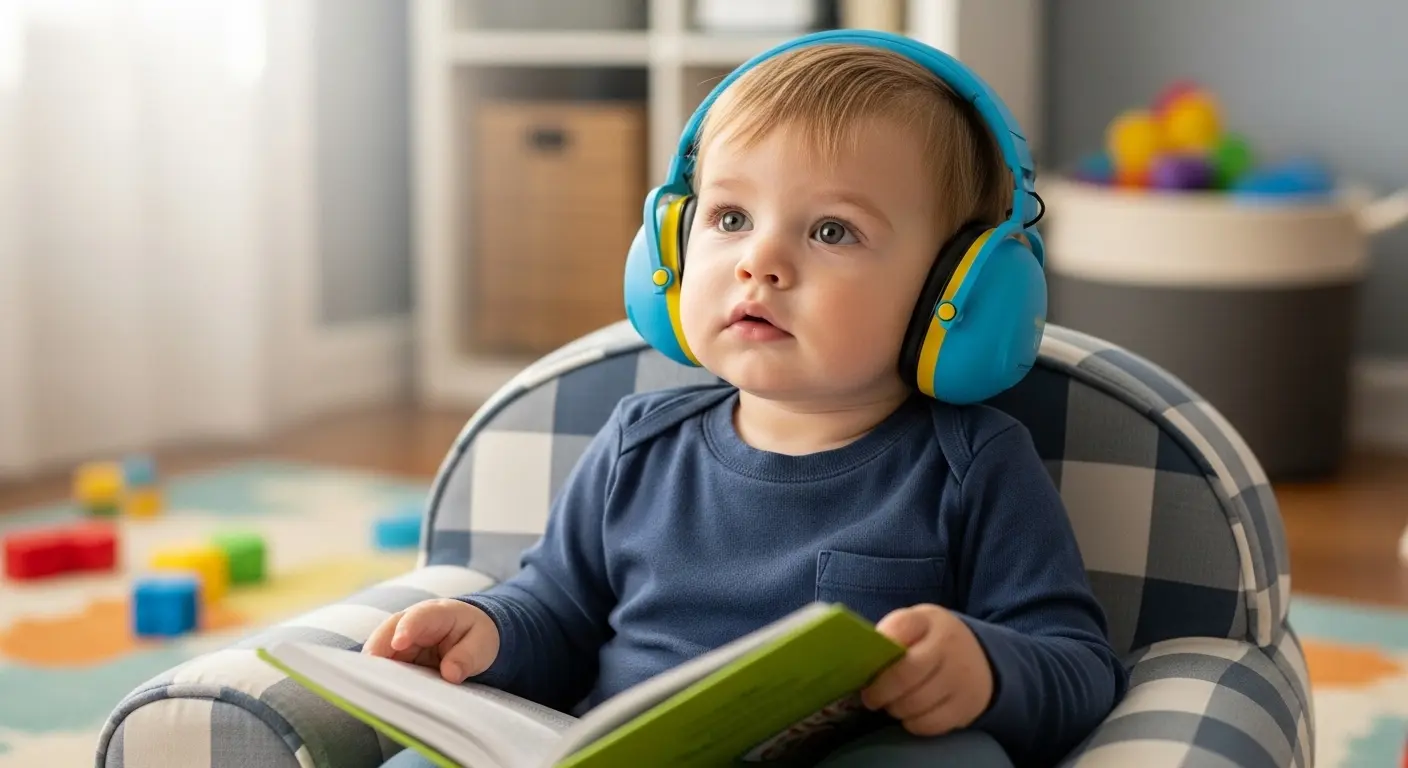
The good news? The right pair of noise-cancelling headphones for toddlers can completely change those experiences.
Overview
When choosing the best noise-canceling headphones for babies and toddlers, safety and comfort come first. Experts recommend volume-limiting technology (ideally capped around 85–94 dB) to protect developing ears. For active noise cancellation (ANC), popular picks include Puro Sound Labs BT2200S/PuroQuiet and BuddyPhones Cosmos+. Budget-friendly ANC options like iClever BTH20 are also strong contenders.
If you’re shopping for very young toddlers (1–3 years), passive noise protection like Alpine Muffy Kids or Mumba earmuffs, without electronics, may be safer and simpler.
Look for:
- Volume limiting (around 85 dB)
- Active noise cancellation for low-frequency noise
- Soft padding and adjustable fit
- Wired + wireless flexibility
Most experts also suggest over-ear headphones instead of earbuds for children under 8.
In this guide, I’ll walk you through what I’ve learned, what works, what doesn’t, and which headphones are truly worth your money.
Best Noise Cancelling Headphones for Toddlers
Puro Sound Labs – PuroQuiet Plus
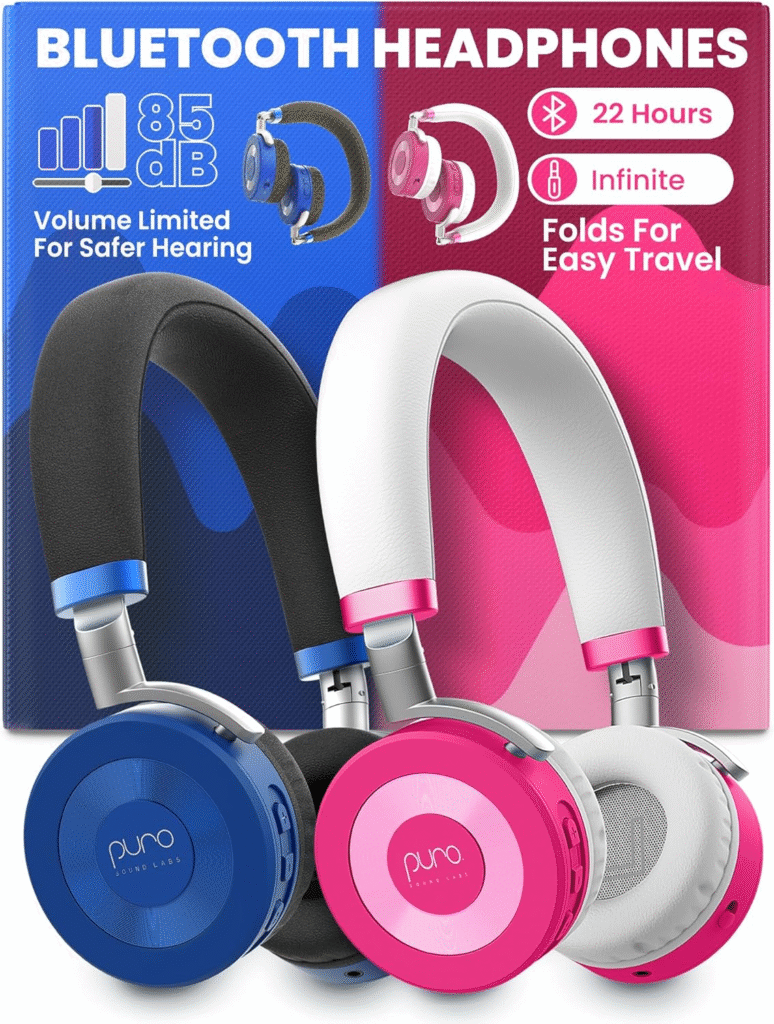
If you want a premium, safety-focused option, the PuroQuiet Plus is often considered one of the best overall noise-cancelling headphones for toddlers and young kids. This brand is known for prioritizing hearing protection, which gave me peace of mind right away.
What it is:
A volume-limited (85 dB) Bluetooth headphone with active noise cancellation designed specifically for children.
Key Features:
- 85 dB volume limit (hearing-safe)
- Active noise cancellation for low-frequency noise
- 16+ hour battery life (ANC on)
- Wireless + optional wired mode
- Durable aluminum headband
- Soft protein leather ear cushions
Why I Like It:
- Built specifically for kids, not just “small adult headphones”
- Clear sound without overpowering volume
- Durable enough for daily use
Why I Dislike It:
- Expensive
- May feel slightly snug for larger heads
Buy if: You want strong safety controls and premium build quality.
Don’t buy if: You’re looking for a strict budget option.
BuddyPhones Cosmos+
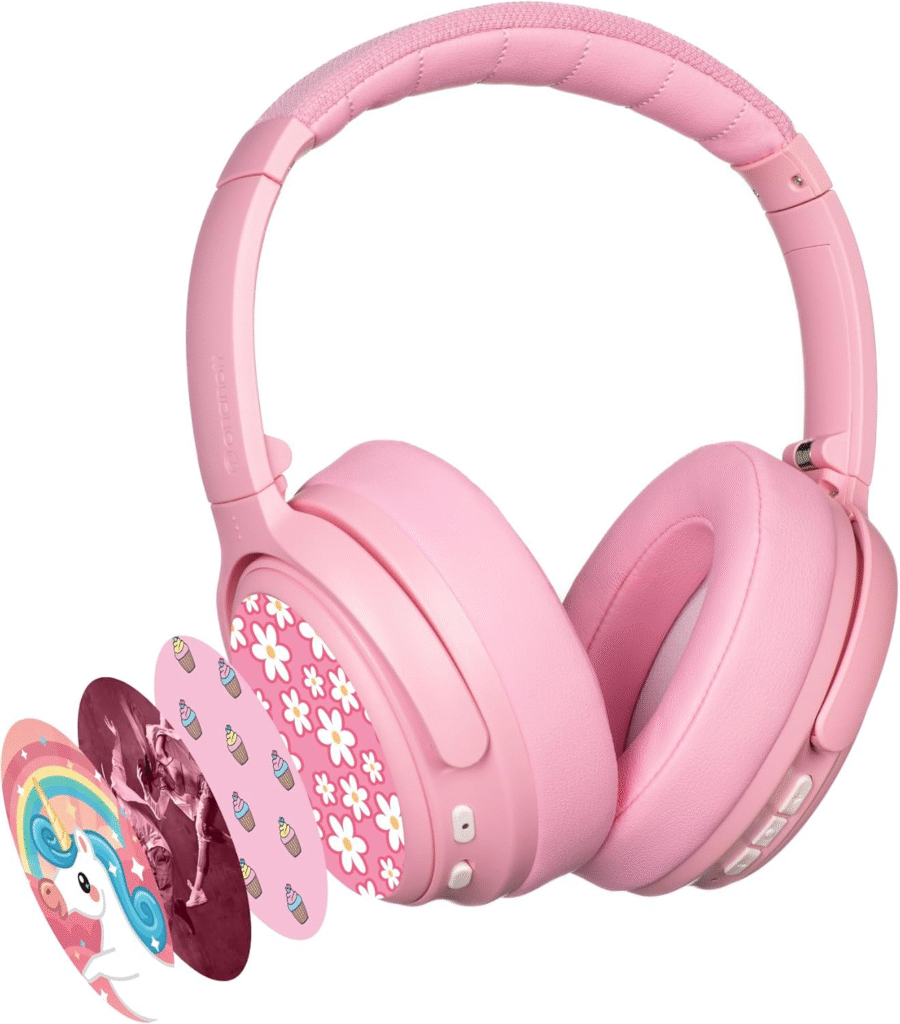
If travel is your biggest concern, these are fantastic. I was impressed by the versatility.
What it is:
An ANC headphone with multiple listening modes designed for school and travel.
Key Features:
- 3 listening modes (Toddler, Kids, Travel)
- Active noise cancellation
- Study mode (enhances voice clarity)
- 24-hour battery life
- Foldable design
- Built-in microphone
Strengths:
- Excellent for airplanes and road trips
- Adjustable volume levels
- Comfortable padding
Weaknesses:
- Slightly bulkier design
- ANC not as strong as premium adult brands
Reason to Buy: You travel often or attend noisy events.
Reason Not to Buy: You need ultra-lightweight headphones for everyday quick use.
iClever – BTH20
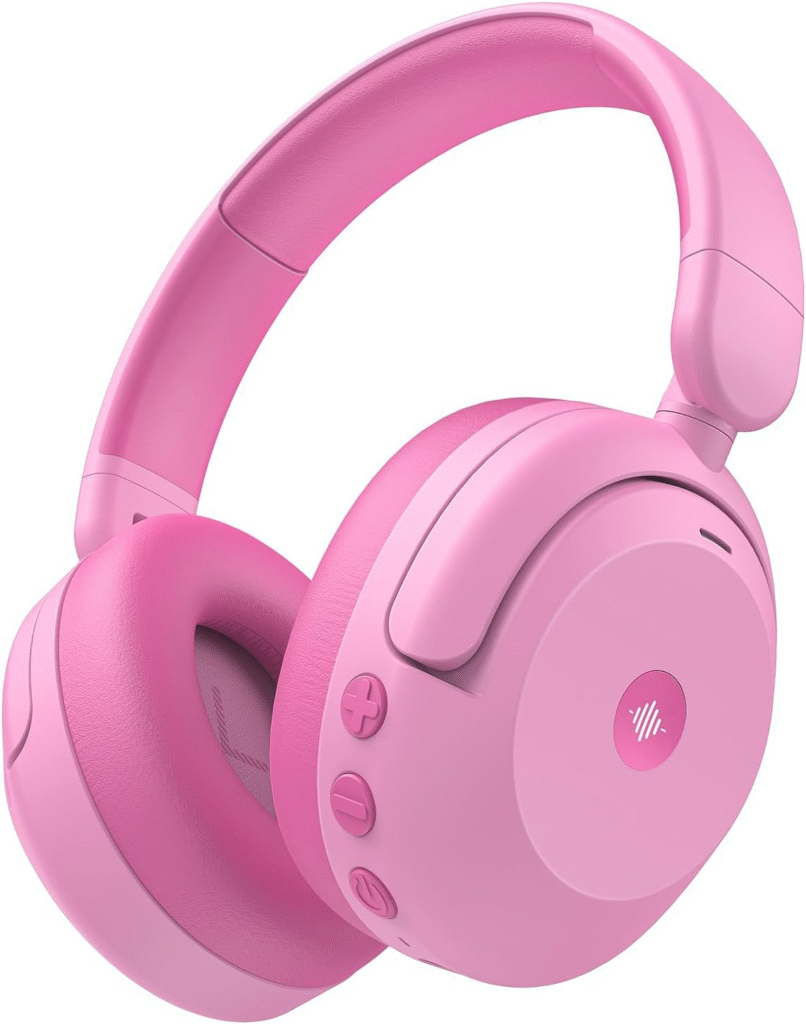
If you’re worried your toddler might throw or damage expensive headphones, this is the best budget-friendly ANC option I’ve found.
What it is:
Affordable active noise cancelling headphones for kids with impressive battery life.
Key Features:
- Dual ANC modes (High/Low)
- 60-hour battery life (without ANC)
- Soft cushioned ear cups
- Lightweight design
- Foldable frame
Pros:
- Very affordable
- Comfortable and not too tight
- Long battery life
Cons:
- Build quality isn’t premium
- ANC works best for moderate noise
Buy if: You want value for money.
Don’t buy if: You expect luxury-level ANC performance.
Alpine Muffy
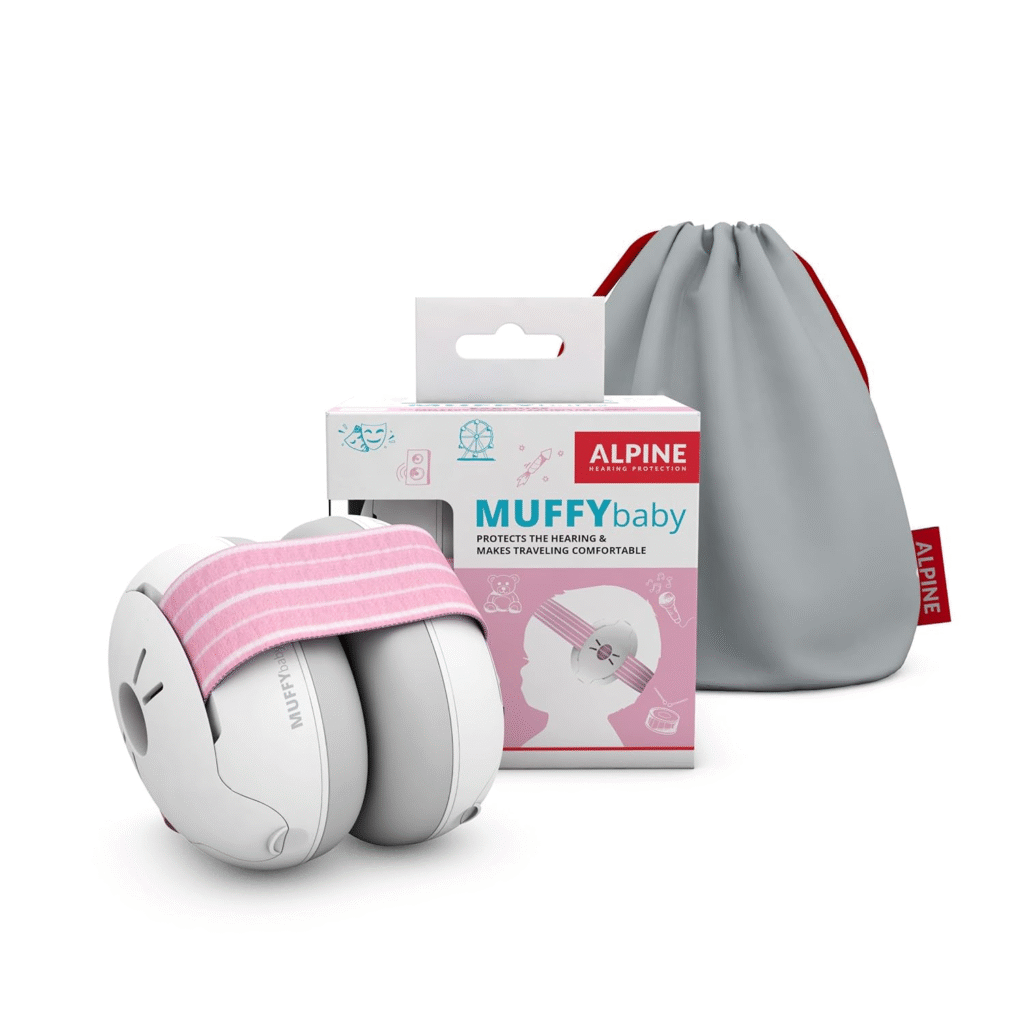
For toddlers under 3, sometimes simple is better.
What it is:
Non-electronic passive ear defenders designed for younger children.
Key Features:
- No batteries required
- Lightweight and adjustable
- Soft headband design
- Reduces environmental noise safely
Why It Works:
- No EMF or charging concerns
- Great for fireworks, concerts, sporting events
Downside:
- Doesn’t cancel deep rumbling noise
- No music playback
Best for: Babies and toddlers (1–3 years).
Not ideal for: Airplane travel or constant low hum environments.
Quick Picks
- Best Overall: PuroQuiet Plus
- Best for Travel: BuddyPhones Cosmos+
- Best Budget ANC: iClever BTH20
- Best for Babies/Toddlers (Non-Electronic): Alpine Muffy
- Premium Adult-Level Option for Older Kids: Bose QuietComfort 45 (Great but pricey)
Why I Started Looking for Noise Cancelling Headphones for Toddlers
A few months ago, I watched a little girl at the zoo having the best day of her life, until the crowd noise grew louder. Within minutes, she was overwhelmed and ready to leave. It wasn’t “bad behavior.” It was sensory overload.
That’s when I realized: we don’t need to avoid life, we need better tools.
Noise cancelling headphones aren’t a luxury. For many toddlers, they’re access. Access to travel. Access to school events. Access to joy.
But here’s the tricky part: not all headphones work the same way.
Active vs Passive Noise Cancellation (Simple Explanation)
Before we dive into products, here’s what I learned:
- Passive Noise Reduction (PNC): Physically blocks sound with padding. Great for high-pitched sounds like hand dryers or sudden shrieks.
- Active Noise Cancellation (ANC): Uses microphones to cancel low-frequency sounds like airplane engines or rumbling crowds. Requires charging.
If your toddler struggles with deep rumbling noise (airplanes, buses), ANC helps.
If they struggle with sharp, sudden sounds (toilets, cheering), strong padding may be enough.
What to Look for When Buying Noise Cancelling Headphones for Toddlers
Volume limit around 85 dB
Soft padding (no tight squeeze)
Adjustable headband
Durable hinges
Over-ear design (not earbuds)
Optional wired mode for travel
Easy to clean ear cushions
Some parents I spoke with even buy two pairs, one for school, one for home, so there’s always a backup.
FAQs
1. Are noise cancelling headphones safe for toddlers?
Yes, if they include volume limiting (around 85 dB) and are used appropriately. Over-ear designs are safer than earbuds.
2. Is ANC better than passive ear protection?
It depends. ANC works best for low-frequency hums (planes, buses). Passive ear defenders handle sudden loud sounds well.
3. Can toddlers wear them all day?
It’s best to use them as needed (travel, events). Long continuous wear isn’t typically necessary unless recommended for sensory support.
4. What decibel reduction is ideal?
For passive earmuffs, look for 20–30 dB noise reduction. For ANC models, ensure volume limiting stays within safe hearing ranges.
Final Thoughts
The best noise cancelling headphones for toddlers aren’t about blocking the world, they’re about helping your child participate in it.
Whether you choose a premium option like PuroQuiet, a versatile travel companion like BuddyPhones, or a simple solution like Alpine Muffy, the right choice can mean fewer meltdowns, more confidence, and longer joyful days out.
Are they perfect? No.
Will they solve every sensory challenge? Also no.
But they can be the difference between leaving early and staying for the fireworks.
If you’re shopping online, I recommend checking Amazon for current discounts and bundle deals—many of these go on sale throughout the year, especially during travel seasons and holidays.
Affiliate Disclaimer: This post may contain Amazon affiliate links. If you purchase through these links, I may earn a small commission at no extra cost to you. I only recommend products I genuinely believe offer value to parents navigating sensory challenges.