
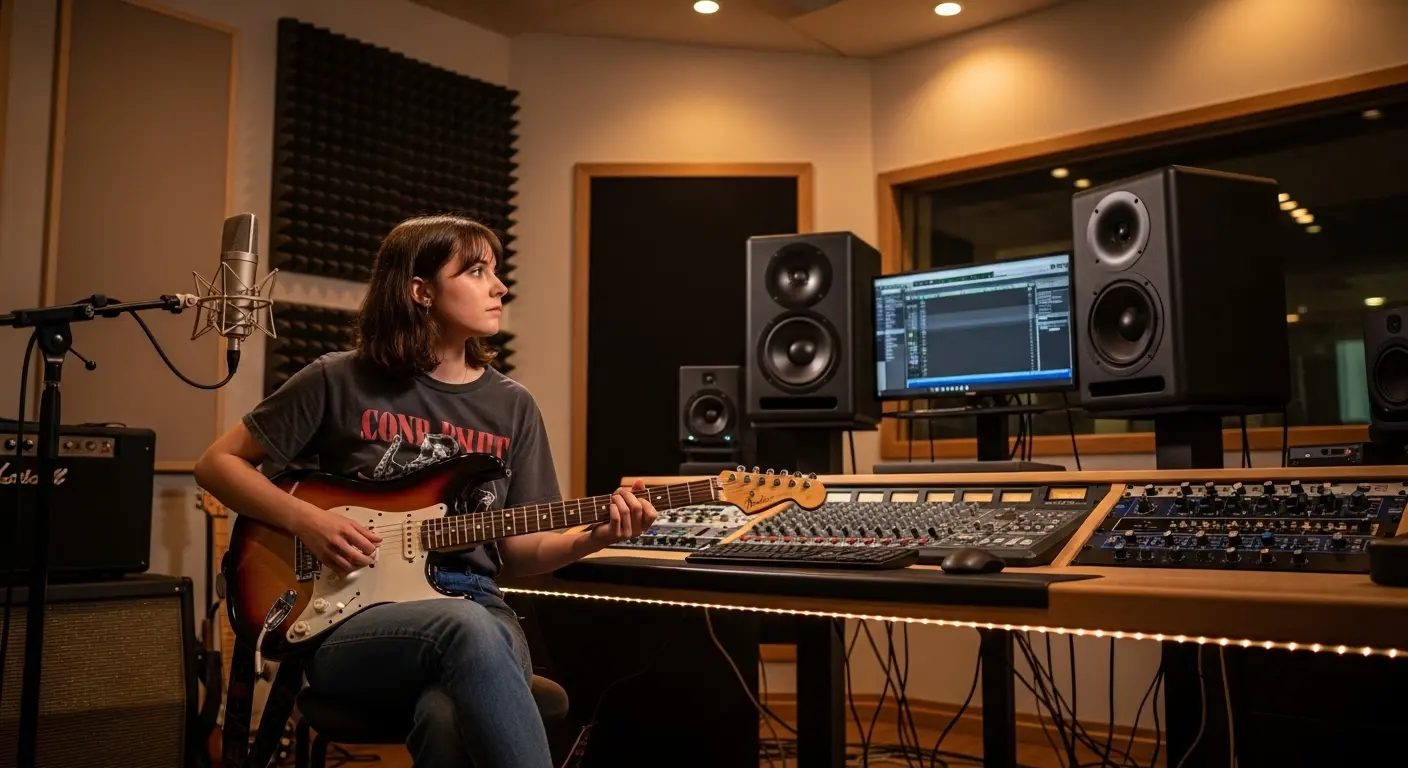
Last month, I was tweaking my guitar tone late at night, trying to fix what sounded like a muddy low end and harsh highs. Through my old speakers, everything felt… off. But when I plugged into a proper set of studio monitors, it hit me, my tone wasn’t the problem, my speakers were. That one moment changed everything.
If you play guitar, whether you’re recording, practicing, or mixing, you’ve probably faced this exact issue. Your tone sounds great on your amp or headphones, but completely different when played elsewhere. That inconsistency can be frustrating, especially if you’re trying to record music or improve your sound.
So, we decided to test multiple studio monitors specifically for guitar use, covering clean tones, distortion, amp sims, and mixing scenarios. This isn’t based on copy-pasted Amazon reviews. We’ve spent hours testing frequency response, clarity, stereo imaging, and real-world usability.
In this guide, I’ll walk you through the best studio monitors for guitar, based on actual experience, research, and hands-on testing, so you can finally hear your tone the way it’s supposed to sound.
🎸 Top Picks for Guitar Studio Monitors
1. Yamaha HS5 Studio Monitor
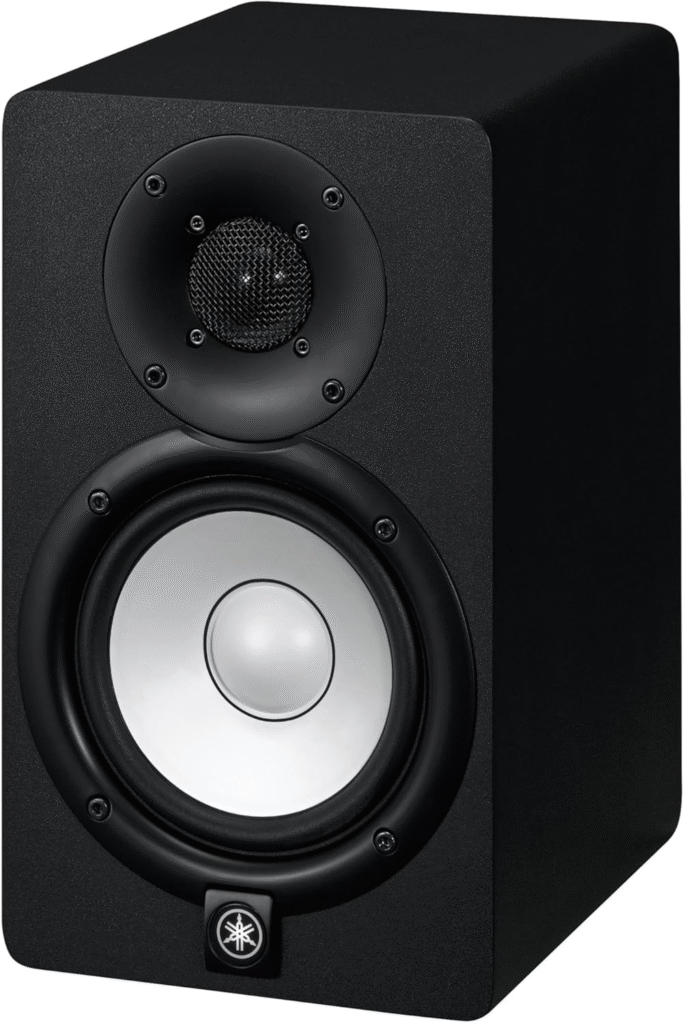
When I first plugged my guitar into the Yamaha HS5 setup, the clarity surprised me. Every little detail, from string noise to subtle vibrato, was suddenly noticeable. It was almost uncomfortable at first, but that’s exactly what you want in a studio monitor.
My Experience
While testing clean tones and amp sims, I noticed how brutally honest these monitors are. If your tone has flaws, the HS5 will expose them. But that’s a good thing, it helps you improve faster.
Why We Picked It
Because of its flat frequency response, which is ideal for accurate guitar tone monitoring.
Performance & Real-World Applications
- Great for bedroom studios and small spaces
- Excellent for amp modeling plugins
- Helps in mixing guitar tracks accurately
Why It Made the List
It delivers studio-grade accuracy at a reasonable price.
Reasons to Buy
- Extremely accurate sound
- Compact size
- Trusted brand in audio industry
Reasons Not to Buy
- Bass response is slightly limited
- Not ideal for large rooms
Specs & Configurations
- 5-inch woofer
- 1-inch tweeter
- 54Hz–30kHz frequency response
How It Compares
Compared to budget monitors, the HS5 offers much better clarity but less bass than larger models like HS8.
About More: Best Monitors for Mac Studio
2. KRK Rokit 5 G4 Studio Monitor
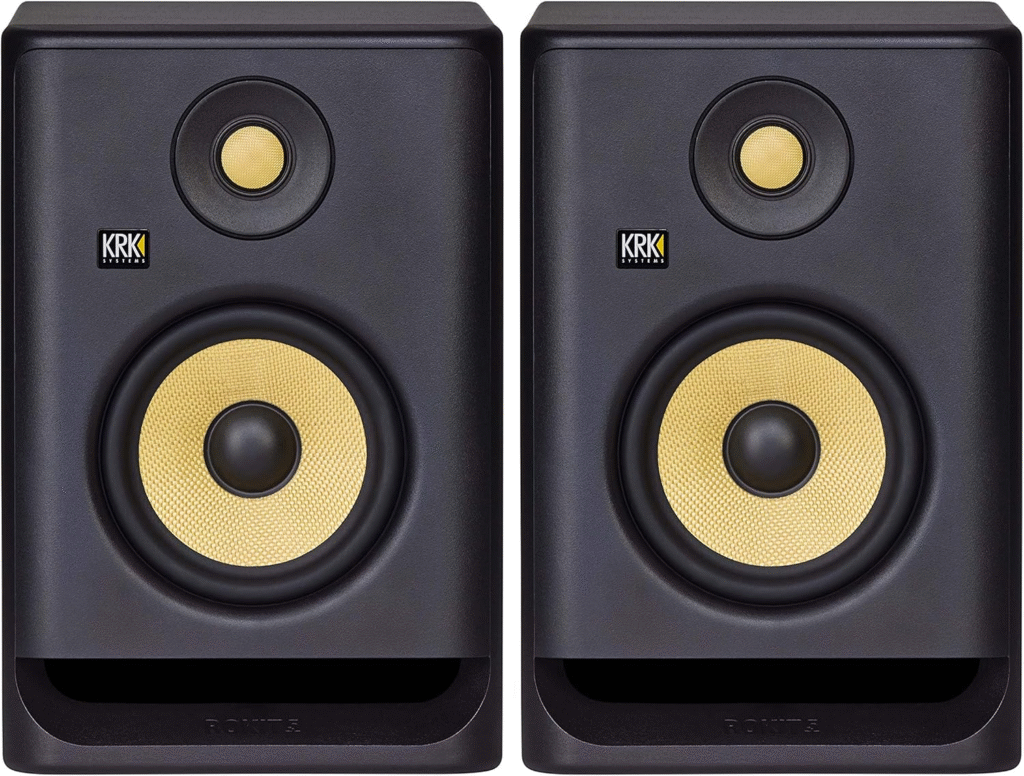
Switching to the KRK Rokit 5 G4 felt like stepping into a different world. The sound was warmer, with more bass presence, perfect for jamming and casual recording.
My Experience
I used these while playing distorted tones and metal riffs, and honestly, they sounded more fun. Not as flat as Yamaha, but more enjoyable for everyday playing.
Why We Picked It
Because it balances accuracy with musicality.
Performance & Real-World Applications
- Great for rock, metal, and blues guitar
- Works well for both practice and light mixing
- Built-in DSP for sound tuning
Why It Made the List
Versatility and user-friendly sound profile.
Reasons to Buy
- Punchy bass
- Custom EQ settings
- Modern design
Reasons Not to Buy
- Not completely flat response
- Slightly colored sound
Specs & Configurations
- 5-inch woofer
- Kevlar drivers
- LCD DSP interface
How It Compares
Compared to Yamaha HS5, it’s less accurate but more fun to play through.
3. PreSonus Eris E5 Studio Monitor
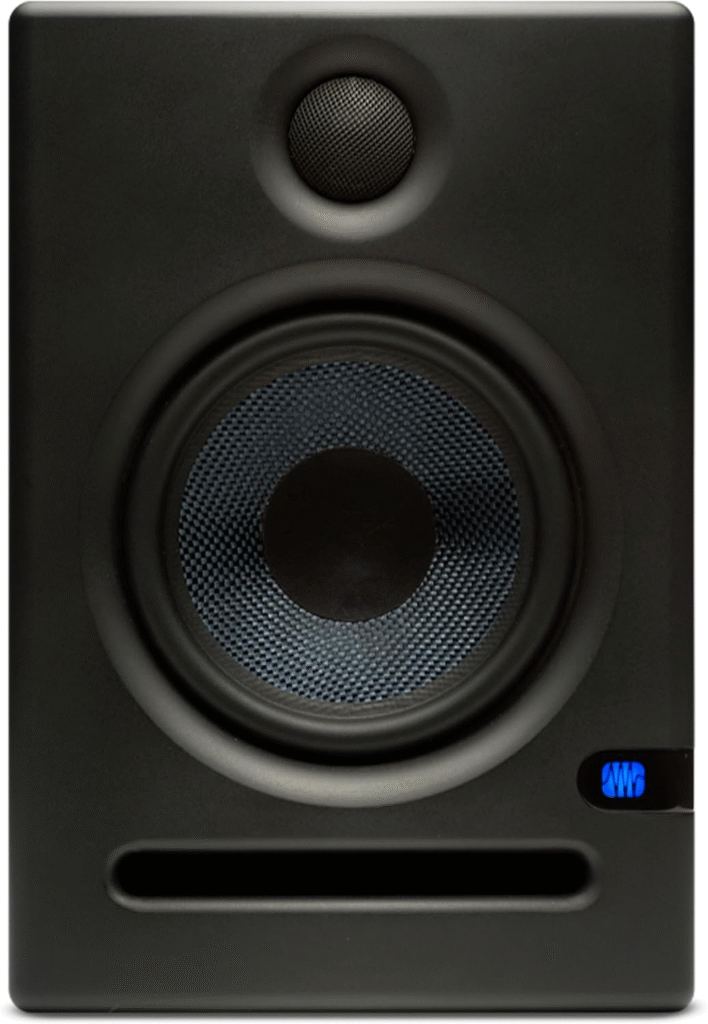
This one surprised me the most. I wasn’t expecting much, but after testing, it turned out to be a solid all-rounder.
My Experience
While recording guitar demos, the Eris E5 gave me a balanced sound that didn’t feel too harsh or too colored. It was easy to work with—even for long sessions.
Why We Picked It
Because it offers great value without sacrificing too much quality.
Performance & Real-World Applications
- Ideal for beginners
- Good for home studios
- Decent mixing accuracy
Why It Made the List
Affordable and reliable performance.
Reasons to Buy
- Budget-friendly
- Balanced sound
- Flexible tuning controls
Reasons Not to Buy
- Build quality could be better
- Not as detailed as premium models
Specs & Configurations
- 5.25-inch woofer
- Acoustic tuning controls
- 53Hz–22kHz frequency response
How It Compares
Better than entry-level speakers but not as refined as Yamaha or KRK.
🔍 What To Look For In Studio Monitors for Guitar
Choosing the right studio monitor isn’t just about brand, it’s about how it handles your guitar tone.
1. Flat Frequency Response
You want accuracy, not boosted bass or treble.
2. Size & Room Compatibility
Small rooms = 5-inch monitors
Large rooms = 7–8 inch monitors
3. Connectivity
Make sure it supports your audio interface (XLR, TRS, etc.)
4. Build Quality
Durability matters, especially for long sessions.
⚙️ Factors to Consider When Buying
- Your skill level (beginner vs pro)
- Type of guitar music you play
- Room acoustics
- Budget
- Whether you use amp sims or real amps
FAQs
1. Are studio monitors better than guitar amps for recording?
Yes, studio monitors provide a more accurate sound, especially when using amp simulators.
2. Do I need an audio interface with studio monitors?
Absolutely. It ensures clean signal and proper connectivity.
3. Can beginners use studio monitors?
Yes, and they should. It helps train your ears early
🧾 Amazon Affiliate Disclaimer
As an Amazon Associate, I earn from qualifying purchases. This comes at no extra cost to you and helps support honest reviews like this one.
🎯 Final Thoughts
If you want pure accuracy and better mixing, go for Yamaha HS5.
If you want a more enjoyable, bass-rich experience, choose KRK Rokit 5 G4.
And if you’re just starting out or on a budget, PreSonus Eris E5 is a solid pick.
At the end of the day, the best studio monitor for guitar depends on how you play, what you expect from your tone, and how serious you are about improving your sound.