
I’ve spent enough time chasing invisible threats in my own living room to know one thing: you can’t clean your way out of an airborne virus problem. I can wipe every counter twice a day, but if a virus particle is floating at nose height, none of that scrubbing matters. That realization is what sent me down the air purifier rabbit hole in the first place — and it’s why I want to walk you through exactly what I found.
Quick answer: the air purifiers that actually help against viruses all share two traits — a certified HEPA (or True HEPA) filter capable of trapping microscopic viral aerosols like flu or coronavirus particles, and a strong CADR (Clean Air Delivery Rate) high enough to deliver several full air changes per hour. Skip either one, and you’re mostly paying for a fan with a nice display.
Disclosure: This post contains Amazon affiliate links. If you click through and make a purchase, I may earn a small commission at no extra cost to you. I only recommend products I’ve personally researched and would consider using myself.
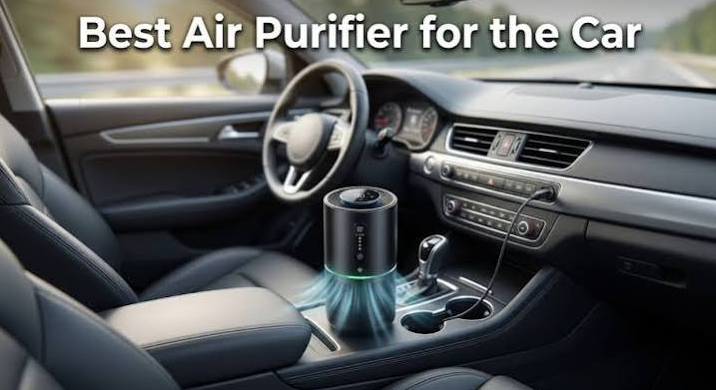
Read More: Best Car Air Purifiers in 2026
My Top Picks for Virus Protection
Best Overall — Blueair Blue Pure 311i Max
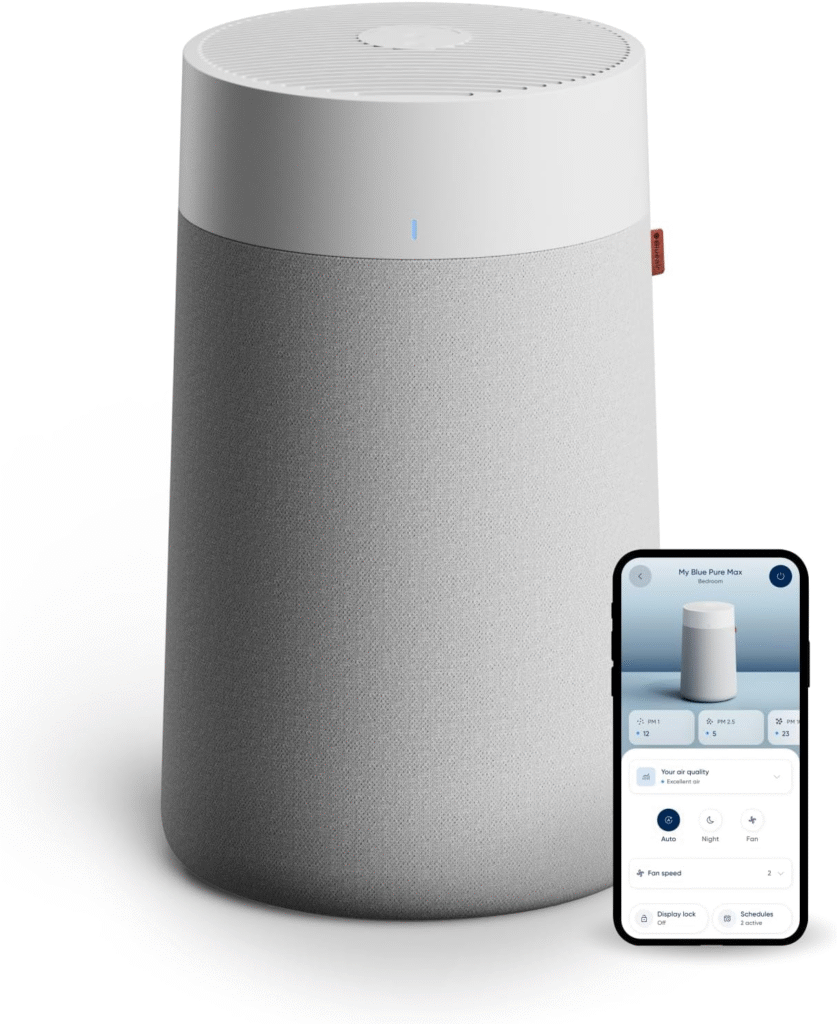
This is the one I’d point most people toward first. It handles particle removal well, stays quiet on its lower settings, and doesn’t chew through electricity the way some bulkier units do.
Best for Fast Particle Clearing — Coway Airmega 400S
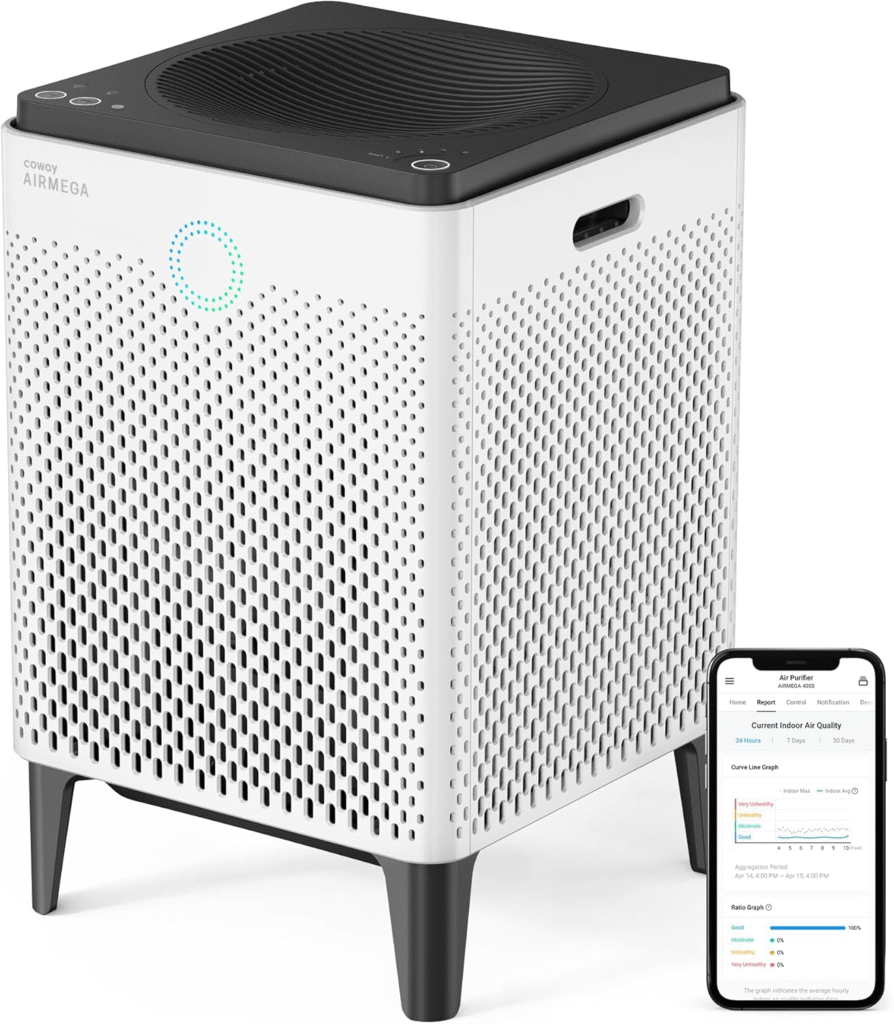
If you want speed, this is the standout. In lab-style testing, it pulled fine particles from the air in well under a minute on its higher settings, which makes it a strong fit for bigger rooms or shared living spaces.
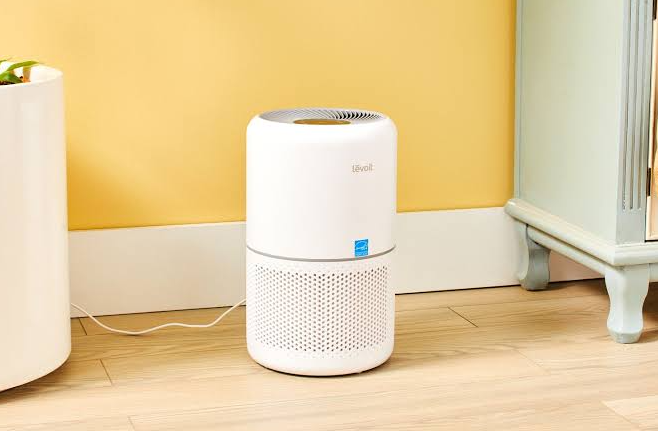
Best for Small-to-Medium Rooms — Levoit Core 400S
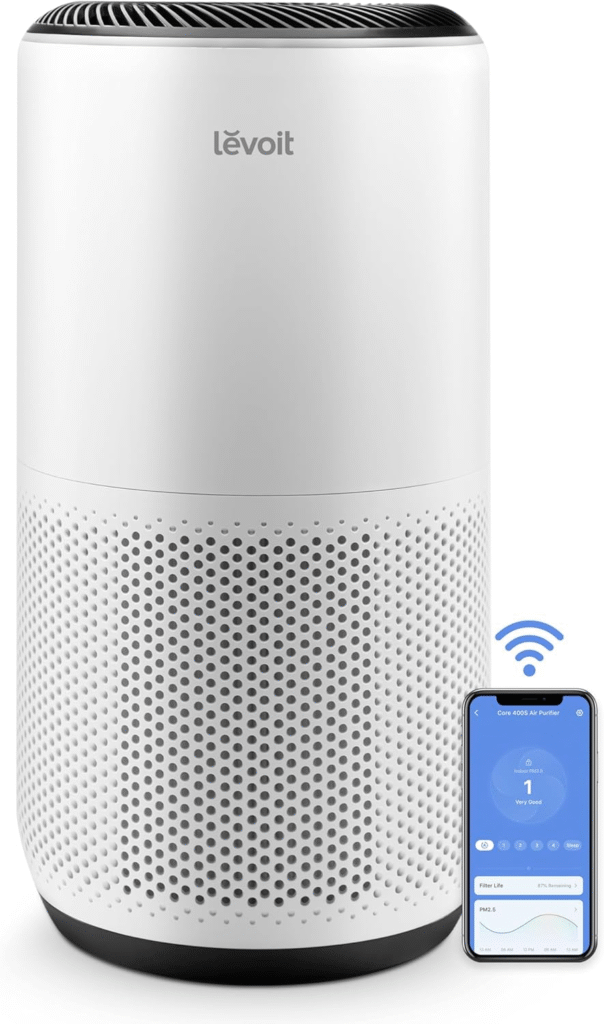
Compact, capable, and easy to control from an app. Its filtration numbers hold up well for its size, which makes it a smart pick for bedrooms, home offices, or apartments.
Best Medical-Grade Option — IQAir HealthPro Plus
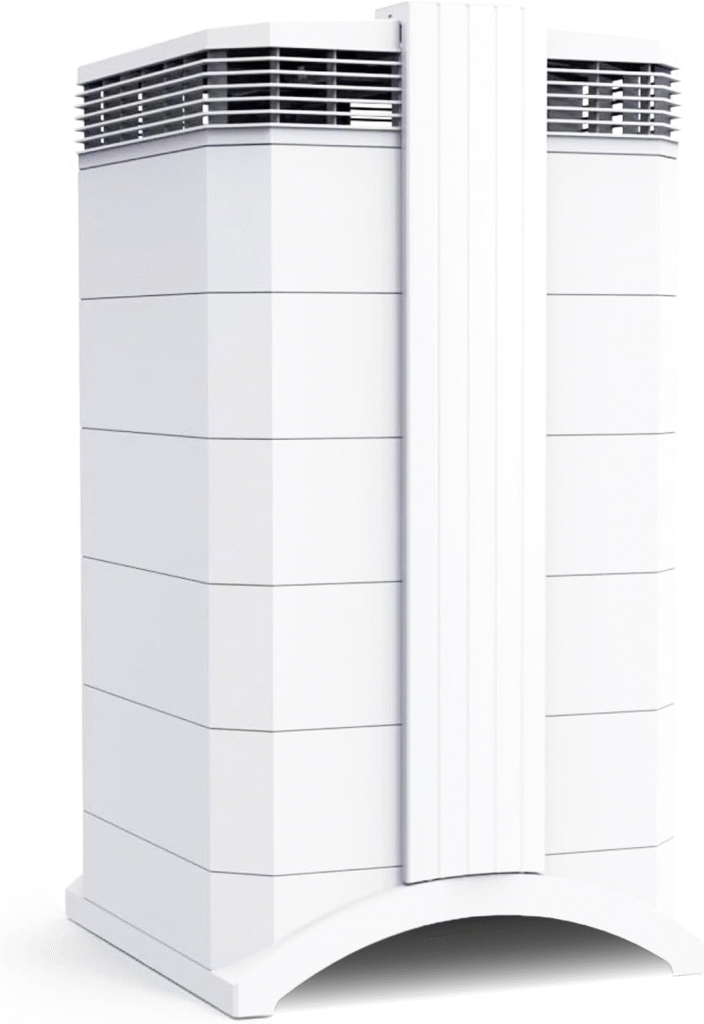
This is the closest thing to hospital-level filtration you can put in a house. Its HyperHEPA filter is independently tested to capture 99.5% of particles as small as 0.003 microns — smaller than most viruses will ever be.
Why I Take Viruses More Seriously Than Other Indoor Pollutants
Dust, pet dander, cooking smells — all annoying, none of them urgent. Viruses are different. They’re small enough to stay suspended in your air for hours, and unlike a stain on the carpet, you have no way of knowing they’re there until someone in the house gets sick.
The last few years made that risk impossible to ignore. Health bodies now routinely recommend HEPA-based filtration as a practical way to reduce airborne viral spread indoors, both in homes and shared spaces. I don’t think that guidance came a moment too soon.
How an Air Purifier Actually Fights Viruses
Every time someone coughs, sneezes, or even just exhales, tiny particles get released into the air. Left alone, a typical home only manages about half an air change per hour — nowhere near enough to clear that buildup.
A properly sized purifier changes that math. Depending on the unit and room size, you can get up to five full air changes every hour, and if the filter is HEPA or medical-grade, it’s also physically capturing the smallest viral particles rather than just pushing air around. That combination — frequent air turnover plus fine filtration — is really the whole game.
What I Look for Before Recommending Any Purifier
1. True HEPA, not “HEPA-type” or “HEPA-like.” This distinction matters more than most shoppers realize. A certified True HEPA filter is tested to capture 99.97% of particles at 0.3 microns. Anything labeled “HEPA-type” or “HEPA-like” hasn’t earned that certification and typically performs well below it.
2. A CADR rating that matches your room, not just the box’s square footage claim. Manufacturers’ room-size suggestions are a starting point, not gospel. I always check the CADR number and do the math myself to confirm the unit can deliver at least five air changes per hour in the actual space I’m using it in.
3. No ozone, no bare ionizers. Some units lean on ionizing technology to boost their numbers. The problem is that ionizers can release ozone, which irritates the respiratory system — the opposite of what you want from something marketed as an air quality fix. I steer clear of anything that can’t run with this feature switched off.
4. Constant, low-to-medium operation. A purifier sitting idle in the corner isn’t doing anything. During cold and flu season especially, I keep mine running around the clock on a moderate setting rather than cranking it up occasionally and shutting it off.
Getting the Most Out of Your Purifier
Buying the right unit is half the job. The other half is using it properly — running it continuously, placing it where air actually circulates instead of tucked behind furniture, and replacing filters on schedule instead of waiting until performance visibly drops. None of that costs extra, and all of it makes a measurable difference.
Frequently Asked Questions
Do air purifiers actually remove viruses from the air? Yes, provided the unit uses a certified True HEPA or medical-grade filter. These filters are dense enough to physically trap particles at the size range viruses fall into, rather than simply circulating them.
What CADR do I need for virus protection? Aim for a CADR that supports at least five air changes per hour for your specific room size. A bigger room needs a proportionally higher CADR — don’t rely solely on the manufacturer’s suggested square footage.
Are ionizing air purifiers safe against viruses? I’d avoid relying on ionizers alone. They can generate ozone, which may irritate airways, and their real-world effectiveness against viral particles is far less consistent than HEPA filtration.
How long should I run my air purifier each day? For meaningful virus protection, running it continuously on a low-to-medium setting works better than short bursts on high. Continuous operation keeps air changes consistent throughout the day.
Bottom Line
If you only remember one thing from this, let it be this: certification beats marketing. A True HEPA filter paired with a CADR that actually fits your room will do more for you than any smart feature or sleek design. I’d rather run a plain, powerful unit around the clock than a stylish one that can’t keep up.