
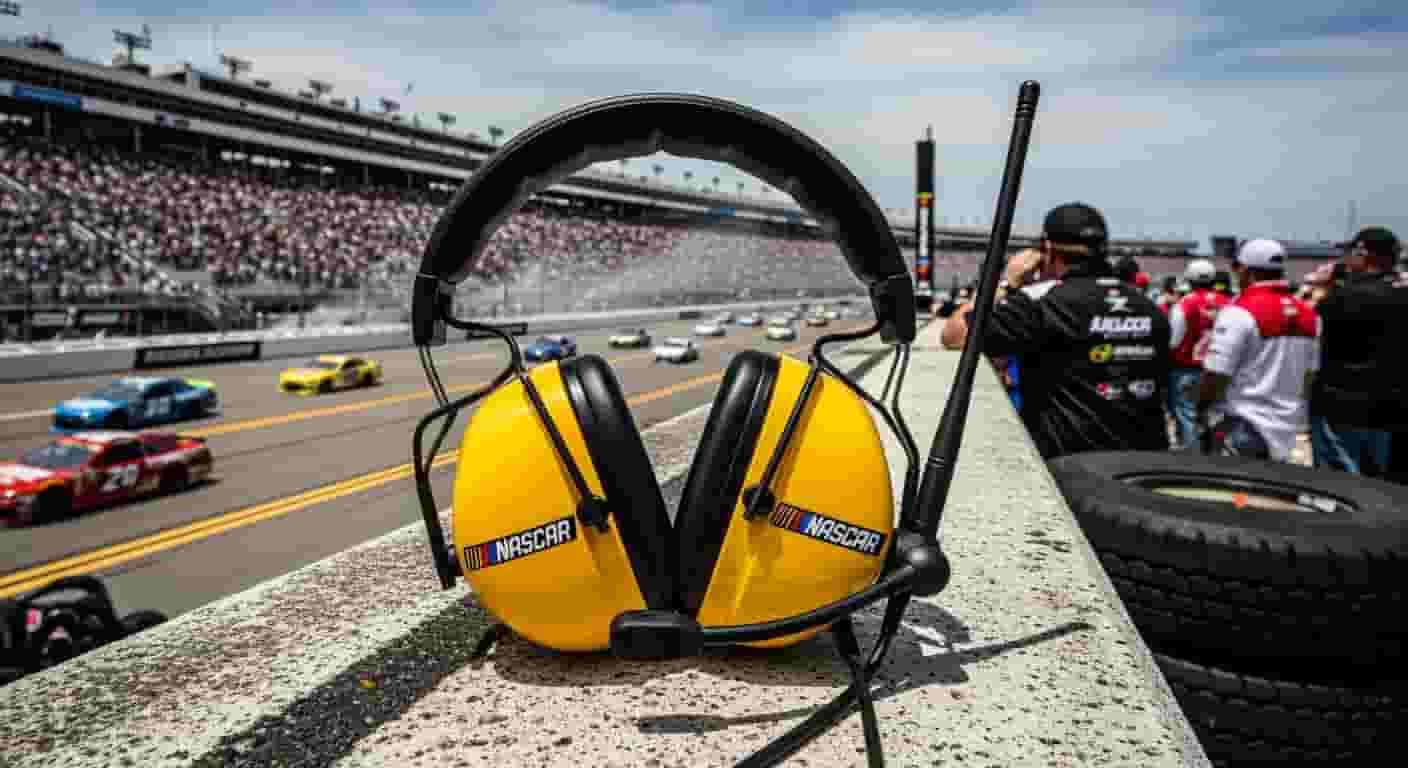
Ever sat at a NASCAR race and realized you can feel the engines, but can’t hear a single word your friend is saying?
I’ve been there. The roar hits you like a wall, your ears start ringing, and suddenly those “regular headphones” you brought feel completely useless. Most first-time fans make the same mistake, thinking any noise-cancelling headphones will do the job. They don’t.
When I first started looking into this, I thought I just needed something to block the noise. But after digging through real fan experiences and trying a few setups myself, I realized something important: you don’t just need protection, you need connection. You want to hear driver radios, race commentary, and actually understand what’s happening on track.
In this guide, I’ll walk you through the best headphones for NASCAR races, what actually works (and what doesn’t), and how to choose the right setup, whether you’re going once or every season.
Overview
Here’s the truth most beginners miss: the best race-day headphones aren’t just about blocking noise, they combine strong noise reduction (around 20–30 dB or more) with scanner compatibility, so you can hear team communications and live commentary.
High-end options like those from Racing Electronics or Rugged Radios are built specifically for racing environments, offering durability and clear audio even in extreme noise. If comfort is your priority, especially for long races, in-ear solutions like Plugfones or even custom-molded earpieces can make a huge difference.
Some budget-friendly options (like general-purpose headsets) can work for basic hearing protection, but they usually fall short in performance compared to dedicated racing gear. And if you’re new or only attending once, renting a pre-programmed scanner + headset combo at the track is often the easiest and smartest move.
Quick Picks (Best for Every Type of Fan)
- Racing Electronics Platinum Plus
- Rugged Radios H80
- Koss QZ-99
- 3M WorkTunes
- Plugfones
- Pro Tip: If this is your first race, just rent a scanner + headset combo at the track. It’s cheaper, easier, and pre-configured.
Best Headphones for NASCAR Races (Top Picks)
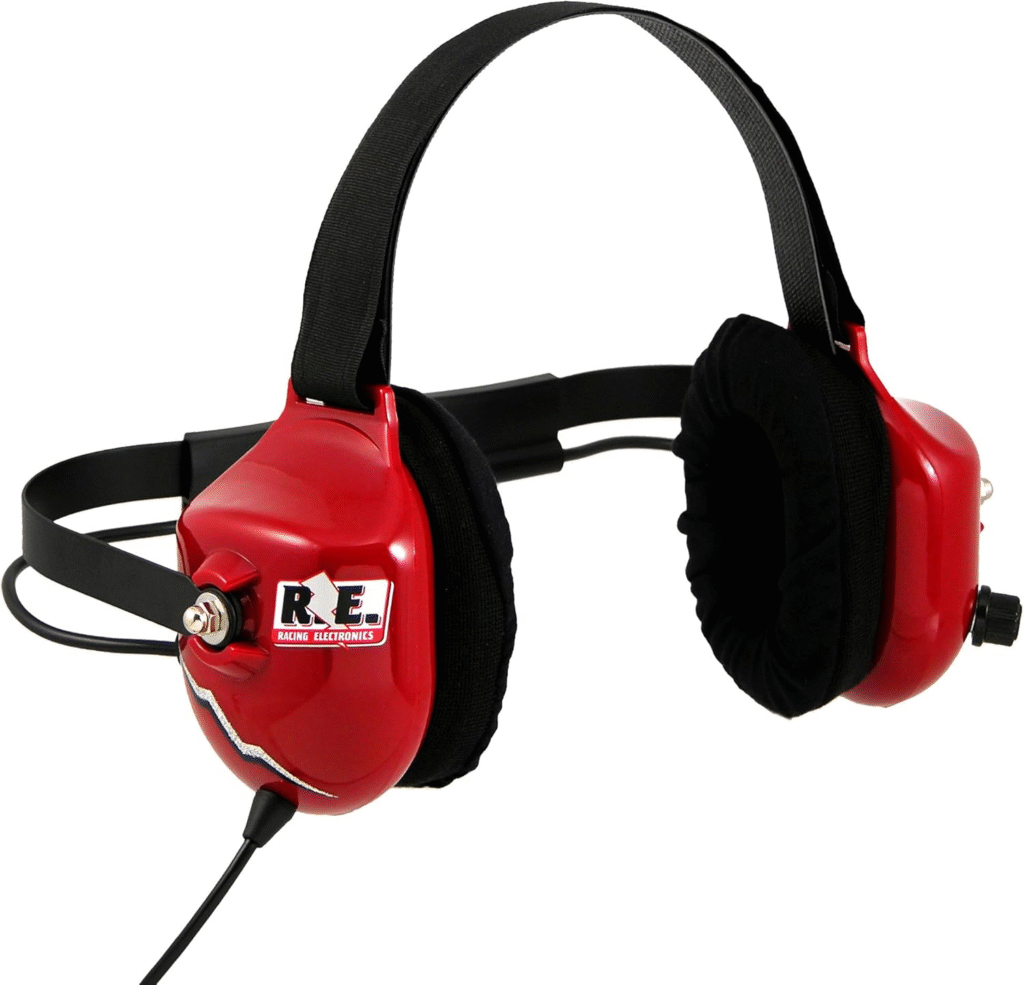
Racing Electronics Platinum Plus Headset
Intro
If you want the full NASCAR experience, this is the gold standard. Racing Electronics has been the go-to brand at tracks for years, and the Platinum Plus is built specifically for fans who want both hearing protection and crystal-clear audio from scanners.
Key Features
- High noise reduction (ideal for loud tracks like Bristol)
- Soft gel ear pads for all-day comfort
- Durable build for outdoor racing conditions
- Standard 3.5mm jack (works with most scanners)
- Clear audio tuning for race commentary
Why I Like / Dislike
Why I like it
- Designed specifically for NASCAR (not generic headphones)
- Extremely comfortable for long races
- Works seamlessly with track rentals
Why I dislike it
- Price is on the higher side
- Requires a scanner to unlock full value
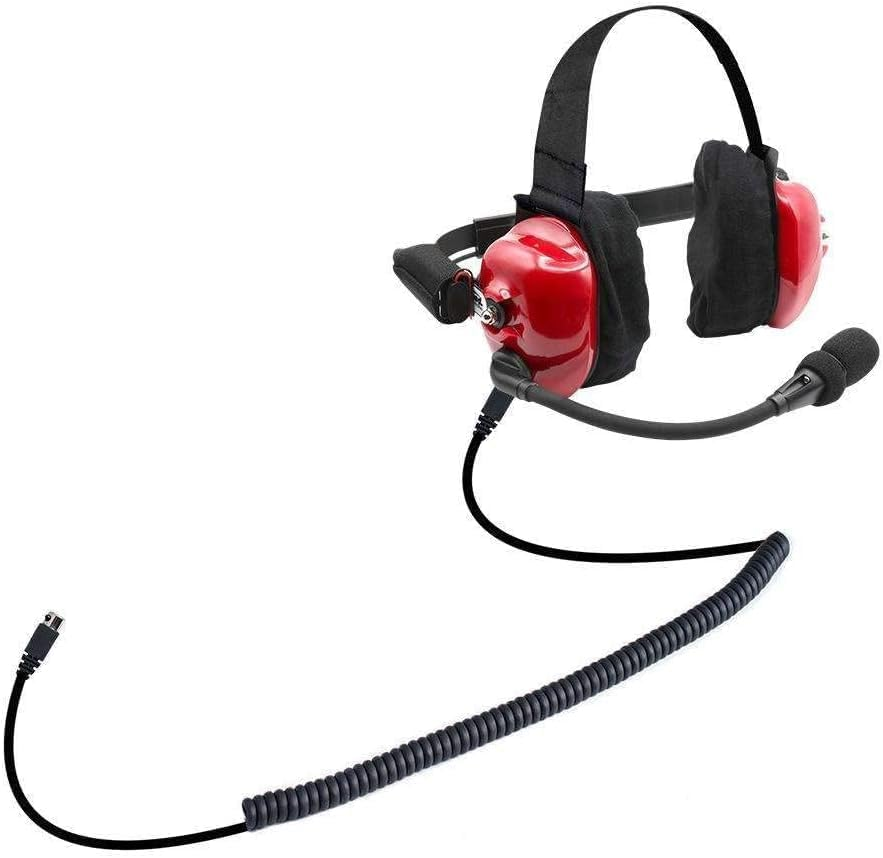
Rugged Radios H80 Headset
Intro
The Rugged Radios H80 is a solid alternative if you want something rugged and reliable. It’s popular among both fans and professionals who need durability and consistent performance.
Key Features
- Strong passive noise isolation
- Heavy-duty construction
- Compatible with racing radios and scanners
- Comfortable over-ear design
Pros & Cons
Pros
- Very durable
- Great for repeated use
- Reliable audio quality
Cons
- Slightly heavier than competitors
- Less premium comfort than Racing Electronics
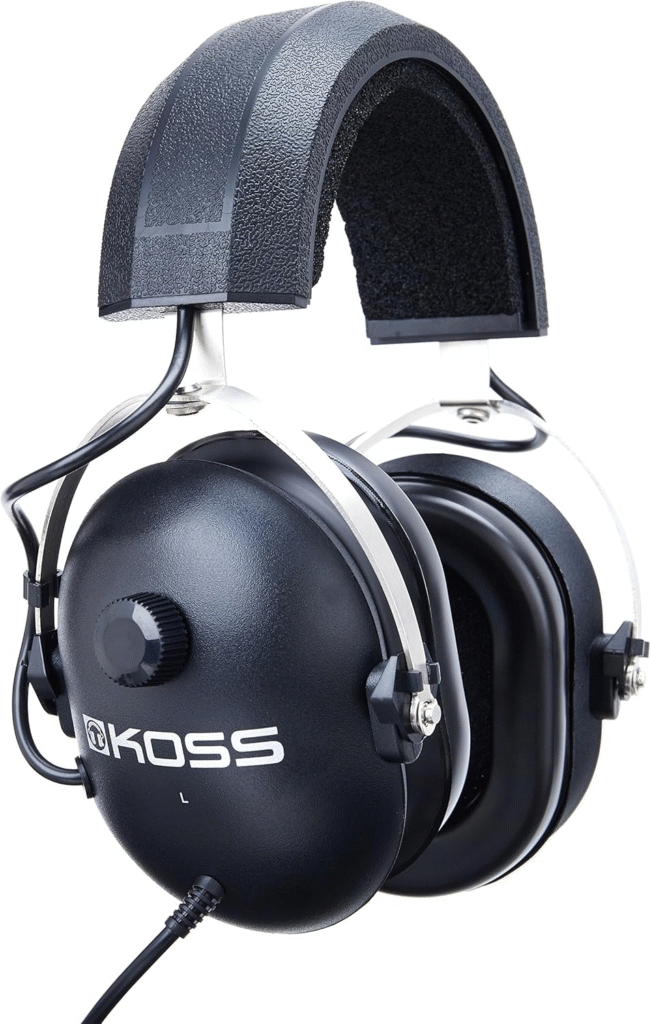
Koss QZ-99 Headphones
Intro
Looking for something budget-friendly? The Koss QZ-99 is often recommended as a starter option. It’s not NASCAR-specific, but it provides decent noise reduction at a lower price.
Key Features
- Affordable price point
- Passive noise reduction
- Lightweight design
Strengths & Weaknesses
Strengths
- Great for beginners
- Easy to use
- Widely available on Amazon
Weaknesses
- Not optimized for racing environments
- Limited durability
- Average comfort for long sessions
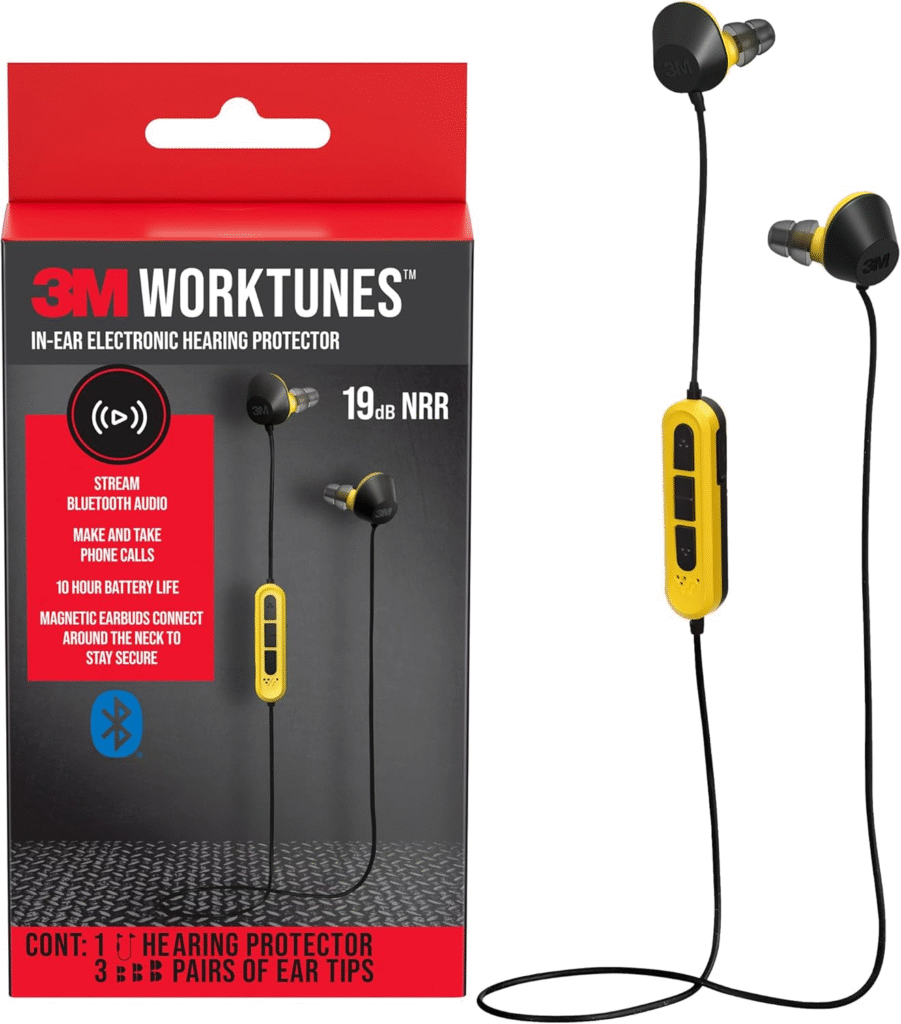
3M WorkTunes Connect
Intro
The 3M WorkTunes are more of a general-purpose hearing protection headset with Bluetooth. They’re useful if you want versatility beyond racing.
Key Features
- Built-in Bluetooth
- Solid hearing protection
- Long battery life
Buy If / Don’t Buy If
Buy if
- You want multi-use headphones (work + events)
- You don’t need scanner integration
Don’t buy if
- You want full NASCAR experience
- You need driver radio access
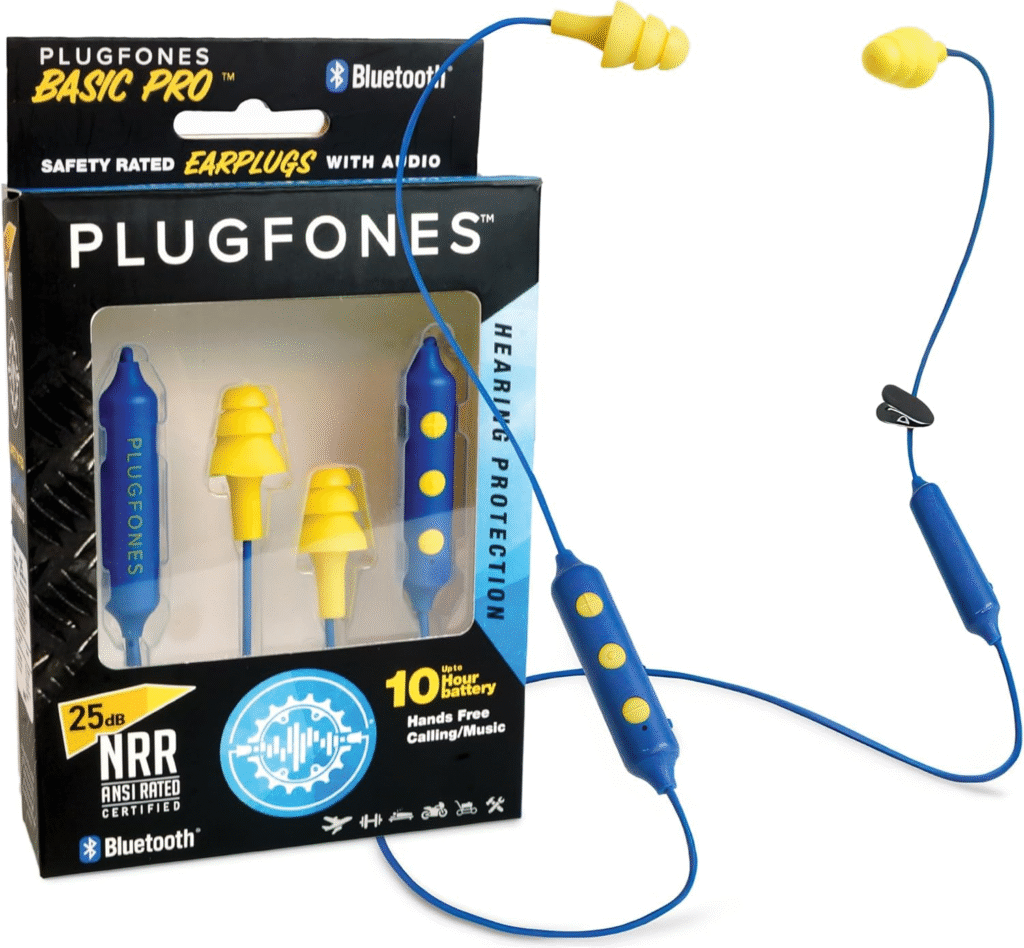
Plugfones Racing Fan Earphones
Intro
If bulky headsets aren’t your thing, Plugfones offers a clever solution: earplugs + audio in one. These are perfect for comfort and portability.
Key Features
- Foam earplug design (excellent isolation)
- Lightweight and discreet
- Compatible with scanners
Reasons to Buy / Not Buy
Reasons to buy
- Extremely comfortable for long races
- Great noise isolation
- Easy to carry
Reasons to not buy
- Not as immersive as over-ear headsets
- Audio quality is decent, not premium
Affiliate Disclaimer
This article may contain affiliate links. If you purchase through these links, I may earn a small commission at no extra cost to you.
My First Race Experience (And What I Got Wrong)
The first time I went to a race, I brought a decent pair of noise-cancelling headphones. Big mistake.
- I could still hear the engines (loudly)
- I couldn’t hear commentary
- I had no idea what was happening on track
Meanwhile, the guy next to me had a scanner setup, he was listening to drivers, laughing at team radio chatter, and fully immersed.
That’s when I realized:
Headphones alone aren’t enough, you need the right system.
FAQs
1. Do I really need a scanner at a NASCAR race?
Yes, if you want the full experience. Without a scanner, you’re just blocking noise. With one, you hear driver radios, strategies, and commentary.
2. Are noise-cancelling headphones enough?
No. Regular noise-cancelling headphones don’t provide proper protection for extreme engine noise. You need noise reduction (NRR-rated) headsets.
3. Should I rent or buy?
- One-time visit: Rent
- Frequent races: Buy
4. What NRR rating should I look for?
Aim for 20–30 dB or higher for safe and comfortable listening.
5. Can I use cheap alternatives?
Yes, but expect trade-offs. DIY setups (like radios + earmuffs) work, but they’re harder to set up and less convenient.
Final Thoughts
Choosing the best headphones for NASCAR races isn’t just about blocking noise, it’s about transforming your entire experience.
- If you want the best → go with Racing Electronics
- If you’re on a budget → Koss or Plugfones
- If you’re unsure → rent at the track
From my experience, once you try a proper setup, you’ll never go back. The difference between just watching the race and actually experiencing it is huge.