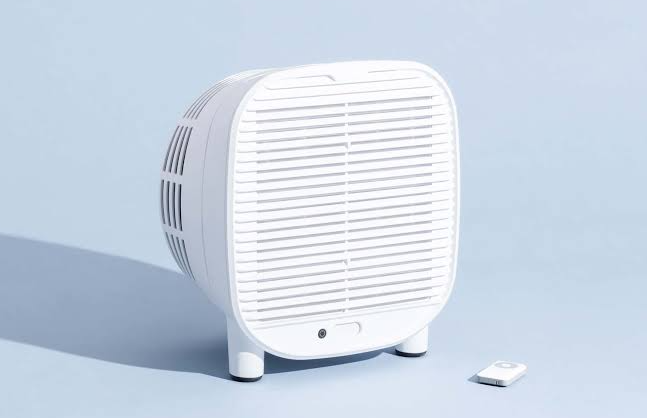

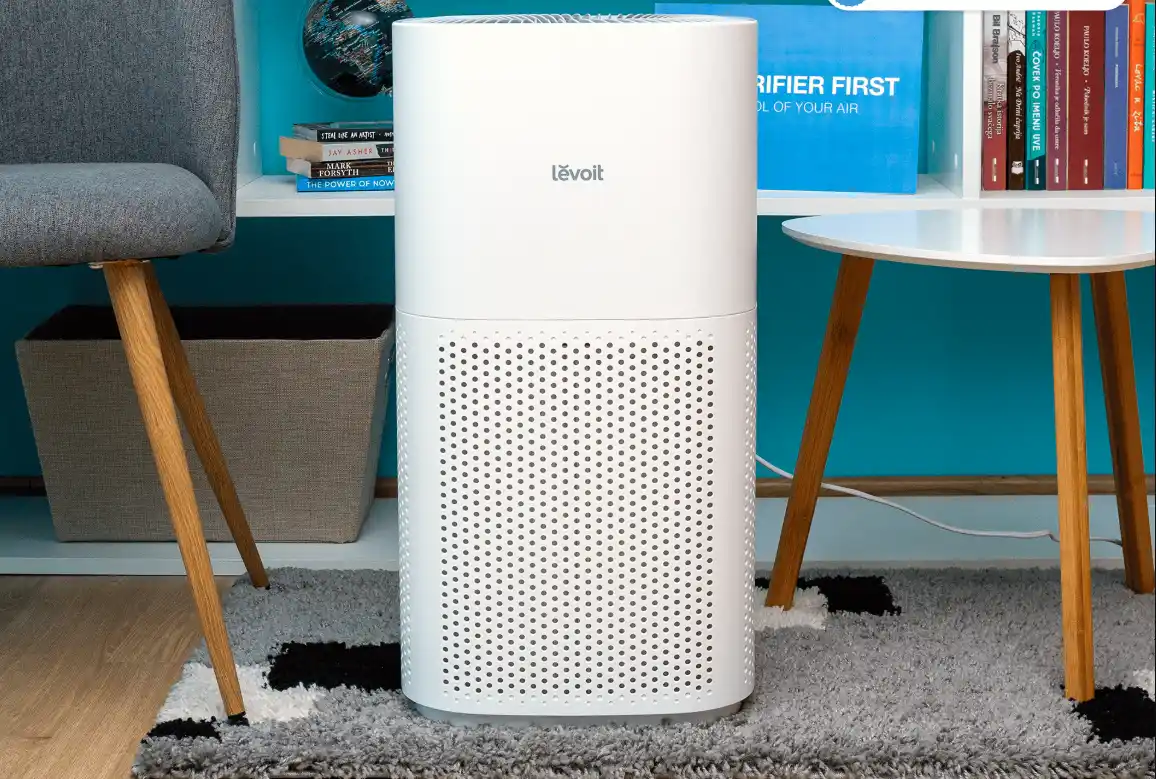
I never realized just how bad the dust in my house had become until one sunny afternoon when I opened the blinds. The sunlight hit the room, and suddenly it looked like thousands of tiny particles were floating everywhere. No matter how often I vacuumed or wiped down shelves, the dust always came back. My allergies were getting worse, I was waking up congested almost every morning, and honestly… I was getting tired of spending money on products that promised “hospital-grade air” but didn’t seem to make much difference.
So I decided to stop guessing.
Over the next several weeks, my family and I tested some of the most recommended air purifiers people actually rave about—not just the ones with flashy marketing. Before buying anything, I also looked into what actually matters when choosing an air purifier for dust. The biggest lesson? A purifier is only as good as its filtration system and airflow. True HEPA (or medical-grade) filtration is essential because it captures at least 99.97% of airborne particles down to 0.3 microns, but that’s only half the equation. You also need enough airflow, measured by CADR (Clean Air Delivery Rate), to match your room size. Ideally, the purifier should cycle the air through its filters four to five times every hour. After reading expert recommendations and comparing dozens of real user experiences, three models kept appearing again and again: the Levoit Vital 200S, Blueair Blue Pure 211i Max, and AirDoctor AD3500. Those became our finalists.
Amazon Affiliate Disclaimer
As an Amazon Associate, I earn from qualifying purchases. This means I may earn a small commission if you buy through links on this page, at no extra cost to you. This helps support the research and content I create.
My Search for Something That Actually Works
At first, I almost bought the first “best seller” I found on Amazon. Then I started reading real experiences instead of marketing pages.
One thing became obvious pretty quickly: people weren’t just talking about clean air. They were talking about sleeping better, sneezing less, reducing pet dander, handling wildfire smoke, and even cutting down on cooking odors. But there was also plenty of disagreement. Some people absolutely loved Blueair, others swore by Coway Airmega models, while quite a few DIY enthusiasts insisted that a Corsi-Rosenthal box could outperform expensive commercial machines.
Instead of chasing opinions, I focused on testing products that consistently ranked well and matched our home’s needs.
1: Levoit Vital 200S
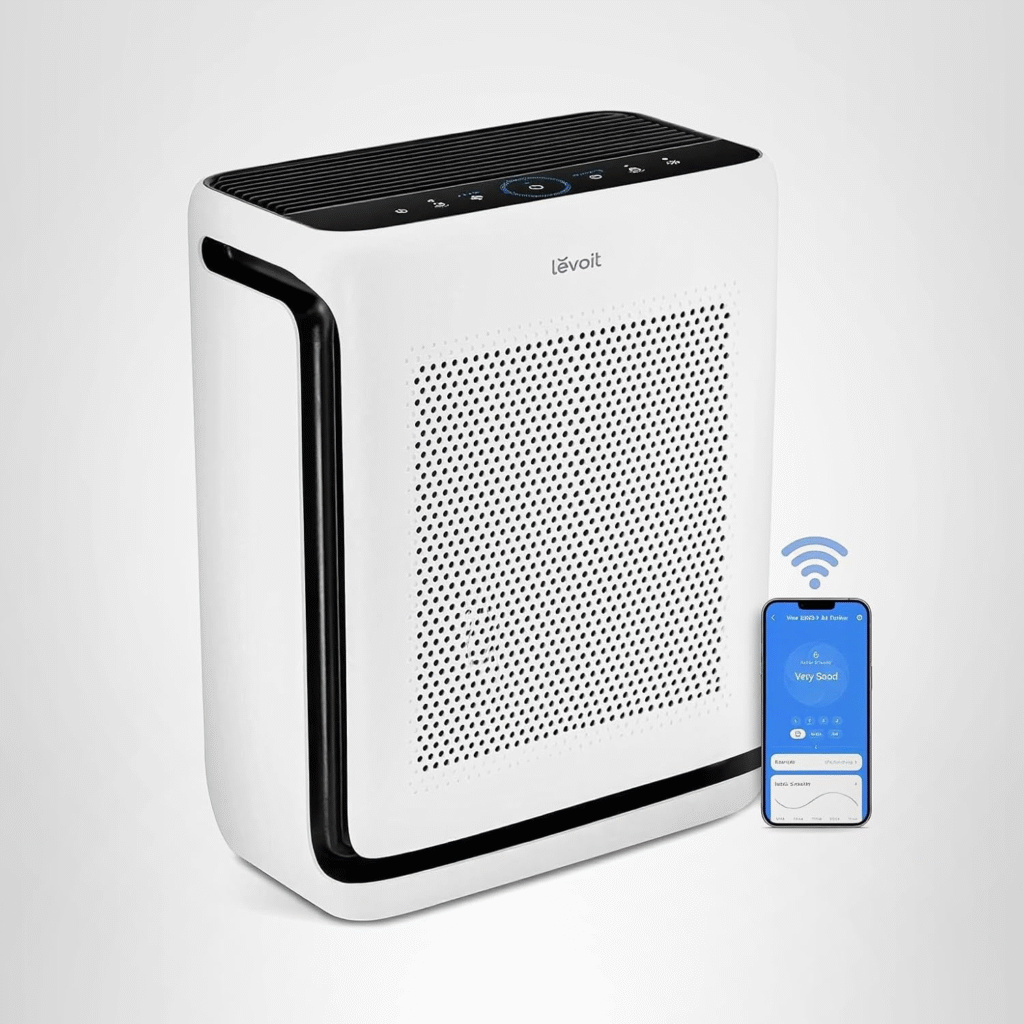
The first purifier we tested was the Levoit Vital 200S.
Honestly, I wasn’t expecting much because it’s one of the more affordable options. But within the first week, I noticed something interesting. The layer of dust collecting on my office desk seemed noticeably lighter than before.
The Vital 200S uses an H13 True HEPA filter combined with an activated carbon layer and a washable pre-filter. That washable pre-filter ended up being one of my favorite features because it caught an incredible amount of pet hair and larger dust before reaching the expensive HEPA filter.
Its CADR of around 249 CFM made it well suited for bedrooms and medium-sized living spaces, and I appreciated the smart app controls more than I thought I would. I could schedule cleaning cycles overnight and check filter status without guessing.
After about three weeks, my morning congestion had definately improved. Was every speck of dust gone? Not even close. But there was enough difference that I noticed it without trying.
The only downside?
When running at maximum speed, it became a little louder than I preferred while watching TV. On Auto mode, though, it stayed pleasantly quiet most of the time.
2: Blueair Blue Pure 211i Max
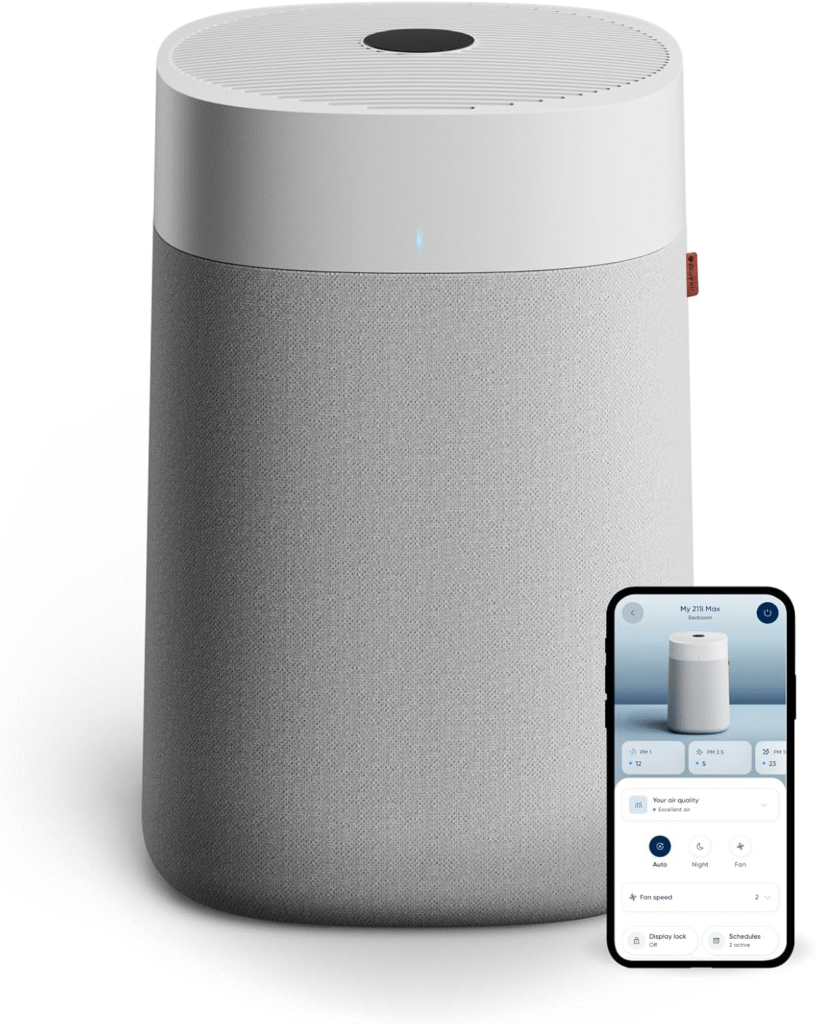
Next came the purifier that Reddit users seemed almost obsessed with—the Blueair Blue Pure 211i Max.
This machine immediately felt like it belonged in a different class.
The first thing I noticed wasn’t actually the filtration—it was the airflow. Its impressive CADR of roughly 410 CFM moves a tremendous amount of air, making it ideal for larger open-concept rooms.
Blueair uses what they call HEPASilent technology, combining mechanical filtration with electrostatic charging to trap extremely fine particles while keeping fan noise surprisingly low.
After placing it in our main living area, something unexpected happened.
Whenever someone cooked bacon, sautéed onions, or even burned toast, the air quality sensor reacted almost instantly. Within seconds the fan sped up automatically, and after a few minutes the smell noticeably faded.
More importantly, after nearly a month of continuous use, I could actually see less airborne dust floating through the sunlight.
The washable fabric pre-filter also trapped plenty of larger debris before it reached the primary filter, making maintenance much easier.
There are a few negatives, though.
Replacement filters aren’t exactly cheap, and although some users report outstanding long-term reliability, others have experienced motor failures after several years. Fortunately, Blueair’s customer support generally receives positive feedback, which made me feel a little more comfortable.
3: AirDoctor AD3500
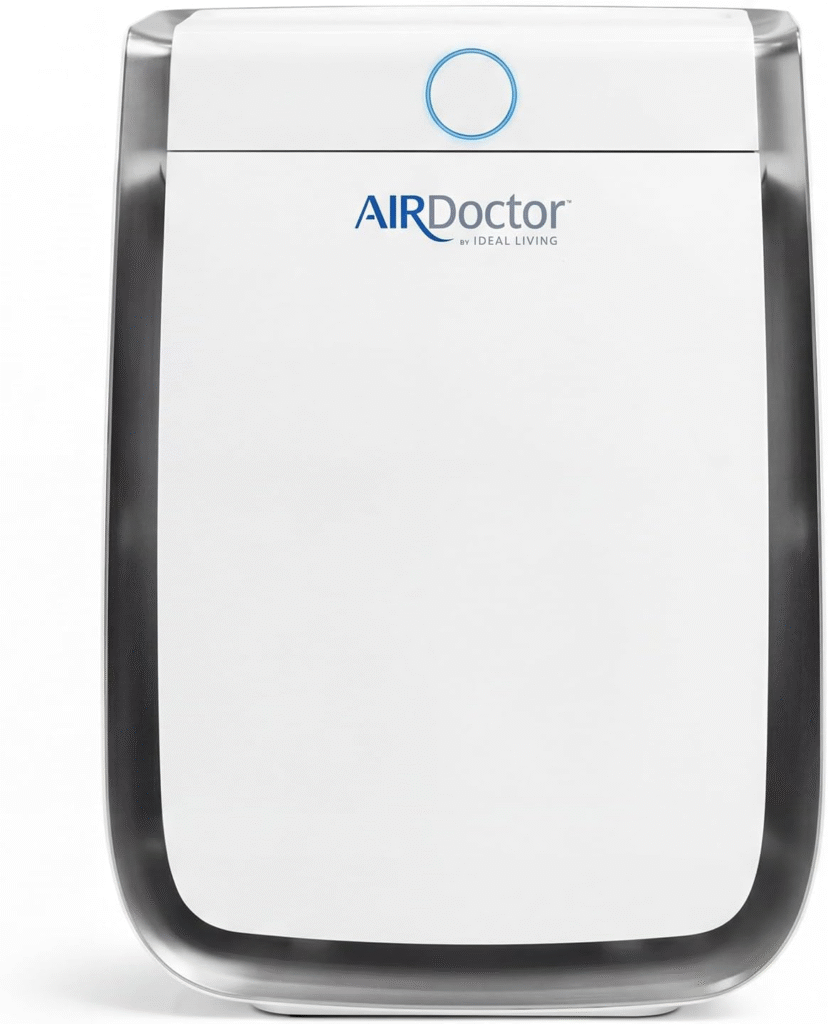
Finally, we tested the AirDoctor AD3500.
This one is aimed squarely at people dealing with severe allergies, pets, or anyone who simply wants maximum filtration.
Unlike traditional HEPA systems, AirDoctor uses an UltraHEPA filter that’s independently tested to capture particles significantly smaller than standard HEPA requirements. It also includes a substantial dual-action activated carbon filter for odors.
The difference was immediately obvious during allergy season.
My wife usually starts sneezing within minutes whenever pollen levels spike. Running the AD3500 in the bedroom overnight noticeably reduced those symptoms.
Pet odors also disappeared faster than with either of the other two models.
The trade-off?
It’s expensive.
Really expensive.
The replacement filters cost more than I’d like, and while the performance is excellent, the higher ownership cost is something buyers should factor in before clicking that “Buy Now” button.
Real-World Testing
Rather than relying on lab numbers alone, we used each purifier exactly how most people would.
The Levoit stayed in my home office where I spend most of my workday.
Blueair handled our largest living area with pets constantly moving around.
The AirDoctor rotated between our bedroom and guest room during allergy season.
We vacuumed normally, changed HVAC filters on schedule, and didn’t alter any other cleaning routines.
That made the comparisons feel much more realistic.
Interestingly, one thing became very clear throughout testing.
Air purifiers don’t magically eliminate dust.
They remove airborne particles before those particles settle onto furniture.
Surface dust still needs regular vacuuming and cleaning. If someone expects an air purifier to completely replace housekeeping, they’re probably going to be disappointed.
Things I Learned That Nobody Talks About
Before this test, I assumed HEPA certification alone determined performance.
Not true.
Airflow matters just as much.
A purifier with incredible filtration but weak airflow won’t circulate enough air through the room to make a significant difference.
CADR ratings turned out to be one of the most important specifications to compare.
I also learned that washable pre-filters save a surprising amount of money over time because they catch larger debris before it clogs the expensive HEPA filter.
Another lesson?
Filter replacement costs can vary dramatically between brands. A purifier that seems inexpensive upfront may become far more costly after several years of buying proprietary filters.
That’s something I almost overlooked.
Where We Bought Them
We ordered all three through Amazon because shipping was fast, return policies were straightforward, and prices changed frequently during sales events.
If you’re patient, you’ll often find discounts around Prime Day, Black Friday, or seasonal promotions.
I almost paid full price for the Blueair before noticing a coupon the next morning… glad I waited.
So… Which One Won?
After testing all three, one model consistently impressed everyone in the house.
The Blueair Blue Pure 211i Max.
It offered the best combination of airflow, quiet operation, dust reduction, ease of maintenance, and overall everyday usability.
The Levoit Vital 200S remains the best value if you’re shopping under roughly $200. It punches well above its price and is an excellent choice for bedrooms or medium-sized spaces.
The AirDoctor AD3500 delivers outstanding filtration for allergy sufferers or pet-heavy households, but its higher purchase price and ongoing filter costs make it harder to recommend for everyone.
The Blueair simply struck the best balance.
Final Thoughts
After several weeks of living with all three machines, I can confidently say that a quality air purifier absolutely helps with airborne dust, allergies, pet dander, smoke, and everyday air quality—but only when you choose one that’s properly sized for your room and keep up with regular filter maintenance.
If your main goal is reducing visible dust while improving overall indoor air quality, I’d happily buy the Blueair Blue Pure 211i Max again. It consistently performed the best during everyday use and required the least effort to simply leave running 24/7.
That said, none of these machines are magic. You’ll still need to vacuum, dust surfaces, and replace filters on schedule. Even the best purifier can’t compensate for poor cleaning habits or an undersized unit.
Still… after living with them for over a month, opening the blinds no longer reveals that endless cloud of floating dust I used to see every afternoon. And for me, that’s probably the strongest recommendation I can give.