
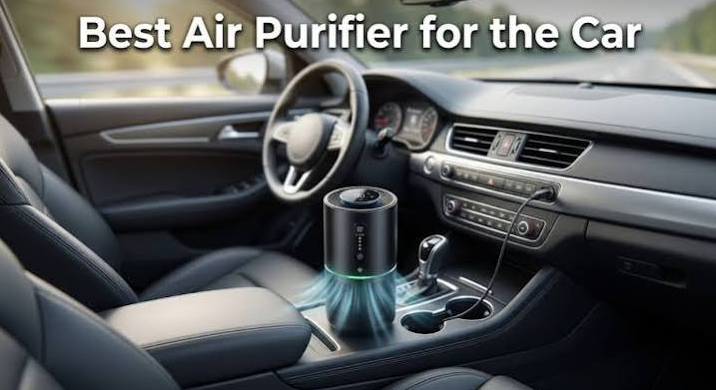
I spend more hours behind the wheel than I’d like to admit, and at some point I got tired of rolling into work smelling like whatever the guy in traffic ahead of me was burning through his exhaust pipe. That’s what pushed me to actually test a handful of car air purifiers instead of just assuming they were all gimmicks.
Here’s the short version of what I found: if you want one device that balances compact size, odor control, and real particle filtration, a purifier from Philips’ GoPure lineup — models like the GP5611 or GP5212 — is the one I’d point you toward first. It’s small enough to live in a cup holder, but it still pulls dust, exhaust particles, and allergens out of the cabin air while tackling odors and airborne bacteria at the same time.
Quick disclosure: I’m an Amazon Associate, and some links in this article are affiliate links. If you buy through them, I may earn a small commission at no extra cost to you — it just helps keep content like this coming.
Read More: Best Air Purifier for Kitchen Odors
Why Car Air Filtration Even Matters
A car cabin is a strange little microclimate. It’s sealed most of the time, but it’s also constantly gulping in whatever’s floating around outside — brake dust, diesel fumes, pollen, and the exhaust from every car idling next to you at a red light. If you commute daily, carry kids, or deal with allergies, that adds up fast. A dedicated purifier won’t replace your cabin air filter, but it gives you an extra, faster-acting layer of protection right where you’re breathing.
With that context, here are the three units I’d genuinely recommend, based on what each one does best.
Best Overall Pick: Philips GoPure GP5611
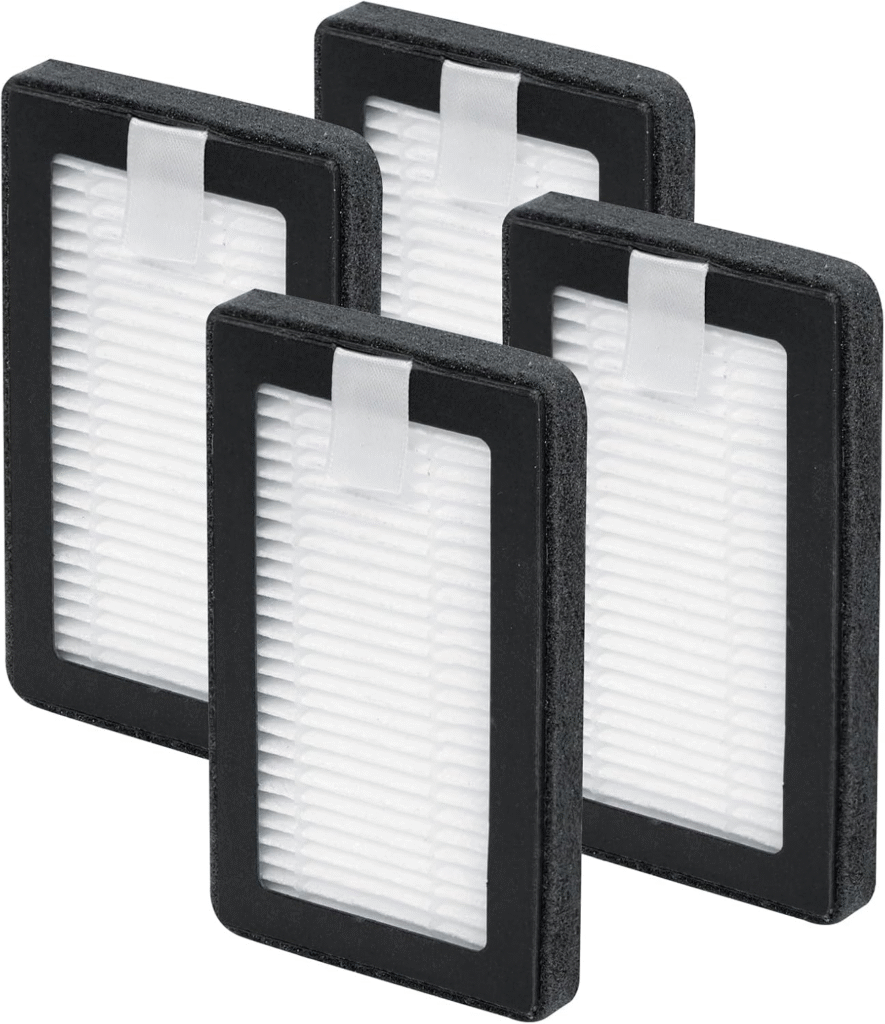
If I could only recommend one car air purifier, this would be it. It layers a HEPA filter with activated carbon media, then adds UVC LED technology on top to deactivate roughly 99.9% of airborne bacteria and viruses passing through it — not just particles.
What I appreciate most is that it wires into your car’s ignition cycle, so it powers on automatically the moment you start driving. No fumbling with buttons before you pull out of the driveway. Between the multi-stage filtration and the germ-killing element, this is the pick I’d hand to someone who wants one purifier that handles dust, smog, and microbes without needing a second device.
Best Cup-Holder Portable: Pure Enrichment PureZone Mini
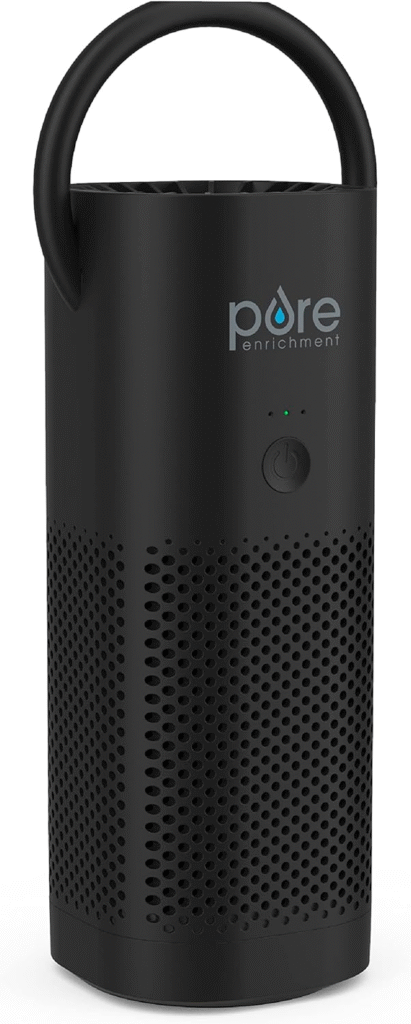
Not everyone wants a permanent, wired-in unit, and that’s where this one comes in. It’s built to disappear into a standard cup holder, runs quietly enough that you genuinely forget it’s there, and gives you the flexibility of either battery power or a USB connection.
I’d suggest this to anyone who wants something they can move between cars, or who just wants a purifier without committing to a hardwired install. It won’t out-muscle a dedicated smoke-fighting unit, but for everyday dust and light odor control, it’s a low-effort, low-maintenance option.
Best for Heavy Smoke and Odor: IQAir Atem Car Portable HEPA
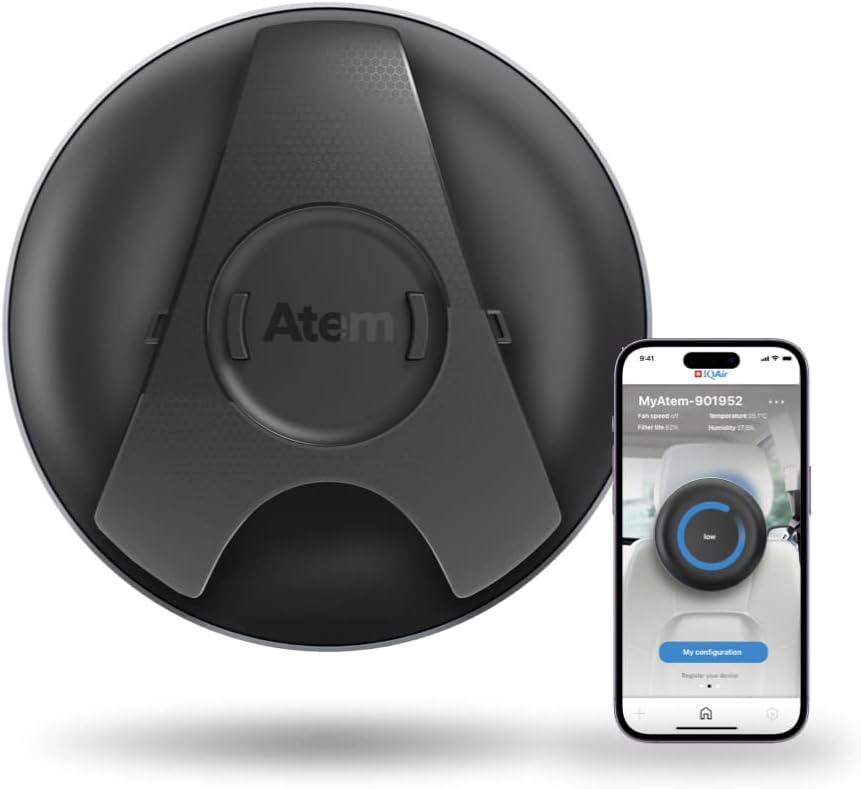
When traffic smog, wildfire smoke, or lingering odors are the actual problem you’re solving for, this is the unit built for it. It uses a premium hyper-HEPA filter engineered specifically to strip out heavy particulate matter, and in my experience it noticeably outperforms lighter units in smaller sedan cabins where smoke or smog tends to concentrate.
It costs more than the other two, and I wouldn’t call it necessary for casual, once-in-a-while driving. But if you live somewhere with bad air days, or you’re dealing with persistent smoke smell, this is the one that’s actually engineered for that fight.
Where to Buy in Pakistan
If you’re shopping locally in Faisalabad or anywhere else in Pakistan, you don’t need to wait on slow international shipping — there are solid options available right now through local retailers.
The Xiaomi Store PK carries the Mi Car Air Purifier, a sleek dual-fan unit with a genuinely competitive Clean Air Delivery Rate (CADR) for its size and price point. It’s a good middle-ground choice if you want something reliable without importing a device.
For a broader comparison, the Daraz Air Purifier listings let you scan both branded and generic USB and 12V plug-in purifiers side by side, which is useful if budget is your main deciding factor.
My Honest Take Before You Buy
I don’t think every driver needs one of these. If your commute is short and you’re not dealing with allergies, smoke, or heavy traffic pollution, your energy is better spent replacing your cabin air filter on schedule. But for daily commuters, rideshare drivers, or anyone parked in traffic for long stretches, a good purifier is a genuinely worthwhile upgrade — not a gimmick.
FAQs
Do car air purifiers actually remove smoke and exhaust smell?
The better units, especially those with activated carbon and hyper-HEPA filtration, do noticeably reduce smoke and exhaust odor. Don’t expect miracles from cheap ionizer-only devices, though — they mask smell rather than filter it out.
How often do I need to replace the filter?
Most compact units need a filter swap every 3 to 6 months, depending on how often you drive and your local air quality. Heavy traffic or dusty roads will shorten that window.
Can I use a car air purifier and still need my cabin air filter changed?
Yes. A purifier is a supplement, not a substitute. Your cabin air filter should still be replaced on your manufacturer’s recommended schedule.
Are UVC-based purifiers safe to use daily?
Enclosed UVC LED units, like the GP5611, are designed to keep the UV light contained within the device, so they’re considered safe for regular daily use inside the cabin.