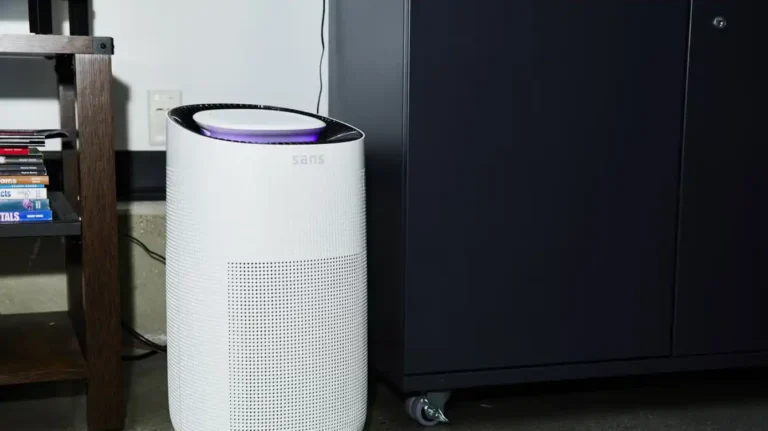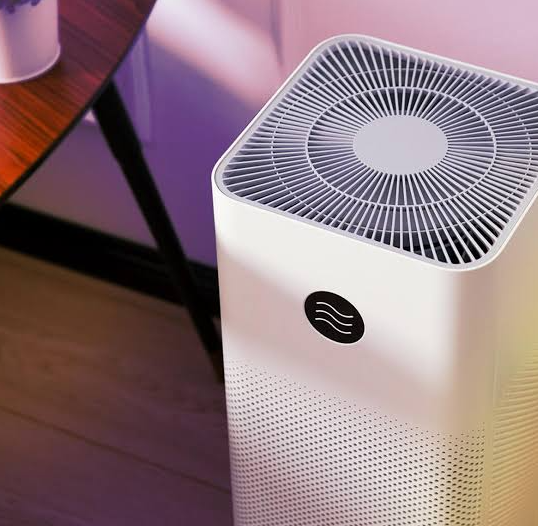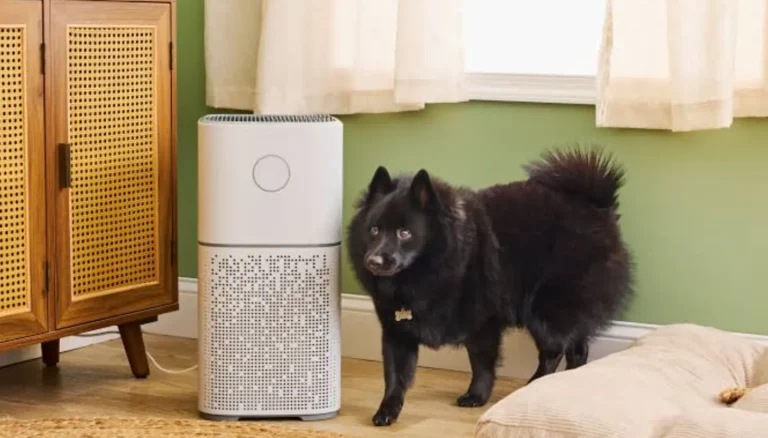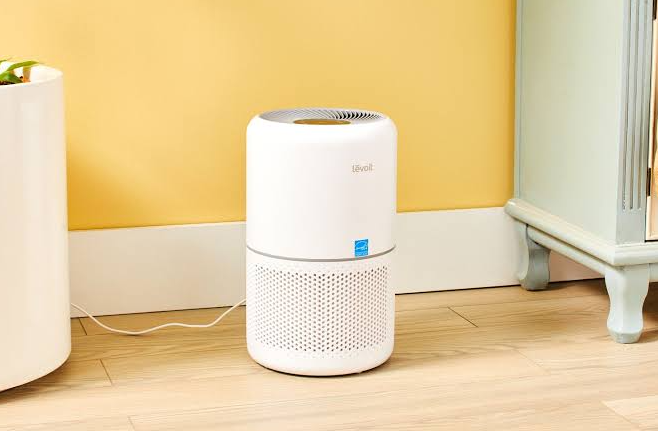

I didn’t take my asthma seriously indoors until I noticed I was reaching for my inhaler more at home than anywhere else. Dust on the bookshelf, a scented candle, my cat curling up on the couch — any of it could set me off. That’s what pushed me to actually test air purifiers instead of just trusting a five-star rating and hoping for the best.
Quick answer: if you’re dealing with asthma, the purifiers worth your money all share one thing in common — a genuine HEPA filter capable of trapping 99.97% of airborne triggers like dust, pet dander, and pollen. Steer clear of anything with an ionizer or ozone-generating feature, since those can actually irritate your lungs instead of helping them. Beyond that baseline, your best pick depends on whether you want an all-around performer, a medical-grade unit, or something heavy-duty enough for serious odor and chemical sensitivity.
A Quick Note Before We Continue
This post contains affiliate links, including Amazon Associate links. If you click through and make a purchase, I may earn a small commission at no additional cost to you. Every recommendation here comes from my own use and research, not a paid placement.
Read More: Dyson Pure Cool Air Purifier Review
Best Overall Pick for Everyday Asthma Relief
For most people, I don’t think you need to overspend to get real relief. What you need is a purifier that runs quietly enough to leave on all day, filters aggressively enough to matter, and doesn’t require a manual to operate.
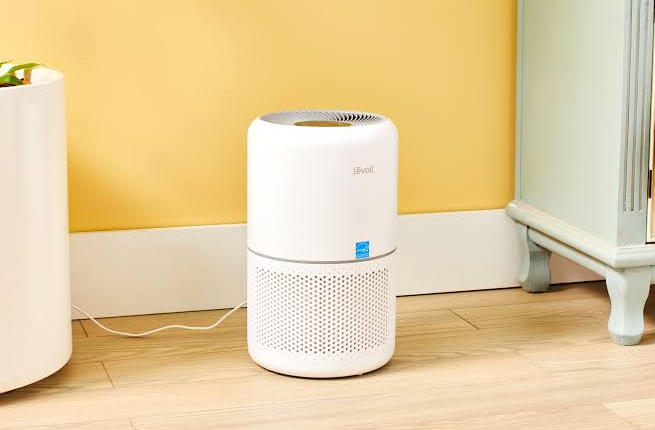
My top overall pick checks every one of those boxes. It uses a true HEPA filter as its core, so it’s actually certified to capture the fine particles — dust mites, mold spores, pollen — that tend to be the biggest asthma triggers indoors. I ran mine continuously in my bedroom for weeks, and my morning congestion noticeably eased up within the first few days.
What sold me beyond the filtration itself was how effortless it is to live with. Auto mode adjusts fan speed based on what it’s sensing in real time, so I’m not constantly checking or adjusting settings. It’s quiet enough on lower speeds that I’ve genuinely forgotten it was running.
Best for: anyone who wants one reliable purifier to run daily without overthinking it.
Best Medical-Grade Option for Severe Asthma
If your asthma is more severe, or you’re dealing with it alongside other respiratory conditions, I think it’s worth stepping up to a medical-grade unit built specifically with clinical-level filtration in mind.
This is the category where I stopped comparing specs and started paying attention to filtration depth instead. Medical-grade purifiers typically use a more advanced, multi-layer HEPA system designed to capture an even broader range of ultra-fine particles, often validated by independent lab testing rather than just marketing claims. That distinction matters if you’re someone whose symptoms flare with even minimal exposure.
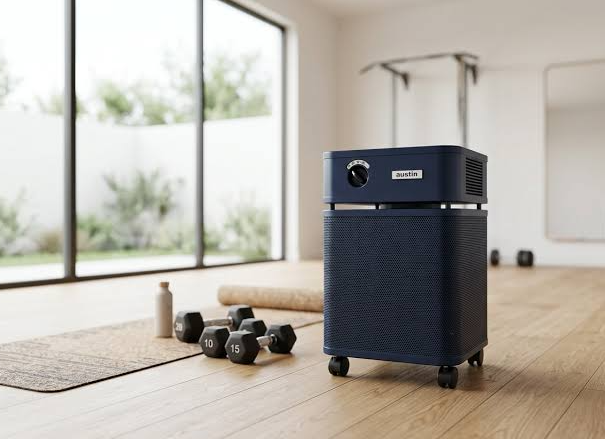
The trade-off is price and, in my experience, a bit more bulk. These aren’t the sleek, blend-into-your-decor units — they’re built for performance first. But if severity is your primary concern, I’d rather sacrifice style than filtration strength.
Best for: people managing severe or treatment-resistant asthma who need the highest level of filtration available.
Best Heavy-Duty Pick for Odors, Smoke, and VOCs
My asthma doesn’t just react to dust — chemical smells and smoke set me off just as fast, if not faster. If that sounds like you, filtration alone isn’t enough. You need serious activated carbon capacity too.
This is where a heavy-duty, carbon-forward unit earns its keep. These purifiers typically pack in far more activated carbon media than standard models, which makes a real difference when you’re dealing with VOCs, cooking odors, or lingering smoke rather than just particulates. I noticed the difference most clearly after cooking with strong spices — a purifier without serious carbon capacity barely touched the smell, while a heavy-duty unit cleared it out fast.
These units tend to be simpler by design — often just a knob for fan speed, no app or smart sensor — but the filters last considerably longer, which softens the higher upfront cost over time.
Best for: households where chemical sensitivity, smoke, or strong odors are the dominant asthma trigger, not just dust or pollen.
What I Look for Before Recommending Any Purifier
A few non-negotiables guide every recommendation I make:
- True HEPA certification, not a vague “HEPA-type” filter that doesn’t meet the actual capture standard
- Zero ozone output, since ozone is a documented lung irritant that can worsen asthma symptoms
- Coverage that matches the room, because an undersized purifier in a large room will underperform no matter how good the filter is
- Noise levels low enough for daily, all-day use, especially if it’s running in a bedroom overnight
Frequently Asked Questions
Can an air purifier really help with asthma? It won’t cure asthma, but it can meaningfully reduce airborne triggers like dust, pollen, pet dander, and mold spores, which for a lot of people translates into fewer flare-ups indoors.
What’s the difference between a HEPA filter and a “HEPA-type” filter? True HEPA filters are certified to capture 99.97% of particles as small as 0.3 microns. “HEPA-type” or “HEPA-like” filters aren’t held to that same standard and typically perform worse, so it’s worth checking for genuine HEPA certification before buying.
Are ionizers safe to use if I have asthma? Generally, no. Ionizers can generate ozone as a byproduct, and ozone is a known respiratory irritant that can make asthma symptoms worse rather than better. If a unit has one, look for a model that lets you switch it off.
How long should I run my air purifier each day? For the most consistent results, I’d recommend running it continuously, especially in the room you spend the most time in. A unit with auto mode makes this easier since it adjusts fan speed based on real-time air quality readings.