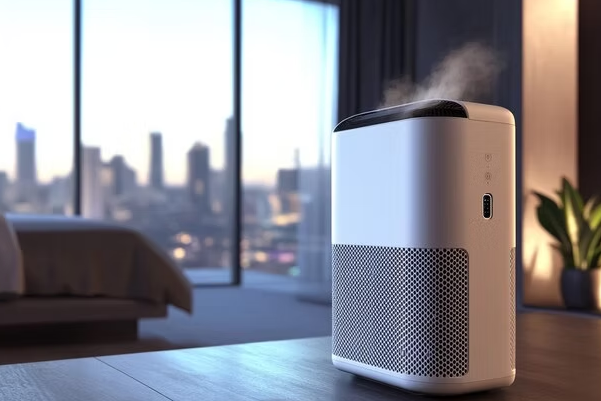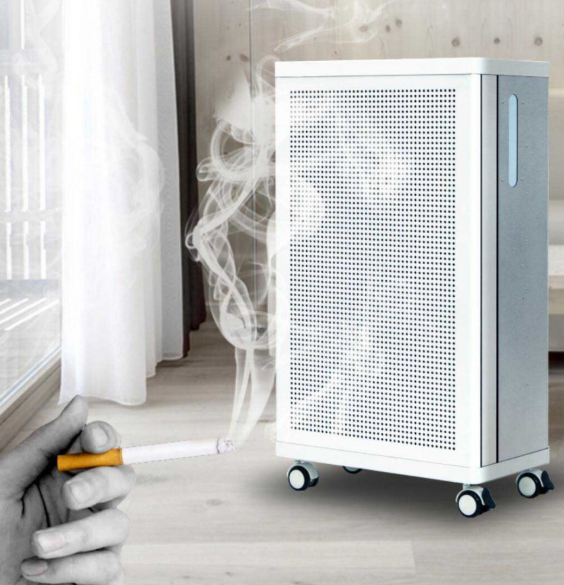

I used to dust my apartment every few days and still find a thin gray film on my shelves by the weekend. It wasn’t just annoying — it was making me sneeze more than I’d like to admit. So when a friend told me an air purifier could help, I was skeptical. A machine that just blows air around, cutting down on dust? It sounded too simple to be true.
I decided to actually test it instead of taking anyone’s word for it. What I found surprised me, and it changed how I think about dust altogether.
Where Dust Actually Comes From
Before I get into whether air purifiers help, it’s worth understanding what dust even is. Most people picture it as just dirt from outside, but that’s only part of the story.
In my research, I learned household dust is usually a mix of:
- Dead skin cells (yes, mostly from us and our pets)
- Fabric fibers from clothes, carpets, and upholstery
- Pollen and outdoor particles tracked in through doors and windows
- Pet dander, if you share your home with animals
- Dust mites and their waste, which thrive in soft furnishings
- Tiny bits of soil and debris carried in on shoes
That mix matters because it explains why dusting alone never seems to solve the problem. You’re not removing the source — you’re just wiping up what’s already settled.
See the Details: Best Air Purifier for Asthma
So, Does an Air Purifier Actually Help?
Short answer: yes, but with a catch I didn’t expect going in.
An air purifier doesn’t stop dust from forming. It can’t stop your skin cells from shedding or your carpet fibers from breaking down. What it does is pull airborne dust particles out of the air before they get the chance to settle on your furniture, shelves, and floors in the first place.
In my experience, this made the biggest difference in two ways:
- Less dust settling on surfaces. After about two weeks of running a purifier with a True HEPA filter continuously in my living room, I noticed I was dusting far less often — maybe once a week instead of every few days.
- Less sneezing and fewer allergy symptoms. This one surprised me the most. I hadn’t connected my mild daily sneezing to dust until it noticeably improved.
What it didn’t do is eliminate dust completely. Dust that’s already settled on a surface won’t get sucked up by a purifier sitting across the room — you still have to clean that manually. Think of it less as a replacement for cleaning and more as a way to reduce how much dust builds up between cleanings.
Why the Filter Type Actually Matters
Not every purifier is built the same, and I learned this the hard way after trying a cheaper model first that barely made a dent.
Here’s what I’d tell anyone shopping for one specifically to tackle dust:
- Look for True HEPA filtration. This is the standard that’s actually proven to capture 99.97% of particles as small as 0.3 microns, which covers most dust, dander, and pollen. Anything labeled “HEPA-type” or “HEPA-like” isn’t held to the same standard and usually underperforms.
- Check the CADR rating. This tells you how much clean air the unit actually pushes out per hour. A purifier with weak airflow will struggle in anything but a small room, no matter how good its filter is.
- Match the purifier to your room size. I made the mistake of assuming any purifier would work anywhere. It won’t. A unit rated for a small bedroom will be nearly useless in an open living room.
Once I switched to a properly sized True HEPA unit, the difference was noticeable within days, not weeks.
What an Air Purifier Won’t Fix
I think it’s important to be honest here, because a purifier isn’t magic.
It won’t help with:
- Dust that’s already settled on shelves, floors, or fabric — that still needs regular cleaning
- Dust mites living inside mattresses, pillows, and carpets, since those aren’t airborne
- Large debris like pet hair clumps or crumbs
- Poor ventilation issues, like a home with limited airflow trapping dust in specific corners
I learned this after expecting my purifier to somehow replace vacuuming altogether. It didn’t. What it did was make my regular cleaning routine noticeably easier and less frequent, which was still a win in my book.
My Simple Routine for Keeping Dust Under Control
After a few months of trial and error, here’s the routine that actually worked for me:
- Run the purifier continuously, especially in the room I spend the most time in. Auto mode helped here since it adjusted based on real-time air quality instead of running full blast all day.
- Vacuum weekly with a HEPA-filter vacuum, not just any vacuum. A regular vacuum can actually kick dust back into the air instead of trapping it.
- Wash bedding weekly in hot water, since dust mites concentrate heavily in pillows and sheets.
- Declutter soft furnishings where possible. Fewer rugs, curtains, and fabric surfaces meant fewer places for dust to hide.
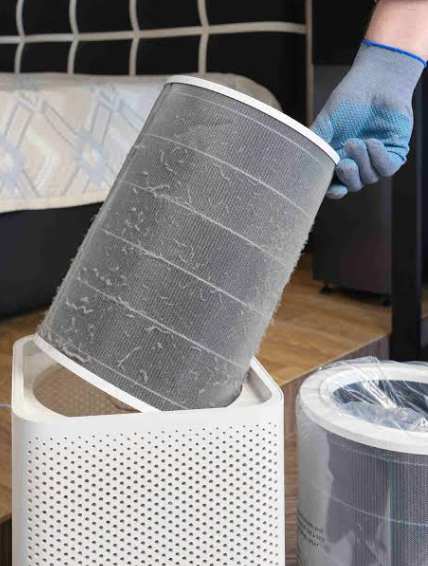
- Change the purifier’s filter on schedule. A clogged filter stops working effectively, and I noticed a real drop in performance once I got a few weeks past my replacement date.
None of these steps alone solved the problem. Together, they made a genuinely noticeable difference within about a month.
Is It Worth Buying One Just for Dust?
If dust and mild allergy symptoms are your main concern, I’d say yes, it’s worth it — but set realistic expectations. An air purifier reduces airborne dust and slows down how quickly it resettles on your surfaces. It’s not going to replace cleaning altogether, and it won’t do much for dust that’s already sitting in your carpet or mattress.
Where I found the most value was in smaller, high-traffic rooms like my bedroom and living room, where I noticed the quickest, most obvious improvement in both dust buildup and how often I was sneezing.
Final Takeaway
Dust isn’t something you can completely eliminate — it’s a natural byproduct of everyday life. But after testing this for myself, I can say an air purifier genuinely helps reduce how much of it ends up floating around your home and settling on your furniture.
It’s not a magic fix, and it works best paired with regular cleaning, not instead of it. But if you’re tired of dusting every few days or dealing with mild allergy symptoms indoors, it’s a small change that made a real difference for me — and it’s worth considering for your own home too.