
I still remember the first time I noticed that musty smell in my bathroom. It wasn’t overpowering, just a faint, damp odor that seemed to linger no matter how much I cleaned. A quick look behind the shower curtain confirmed my suspicion — small black specks creeping along the grout line. Mold.
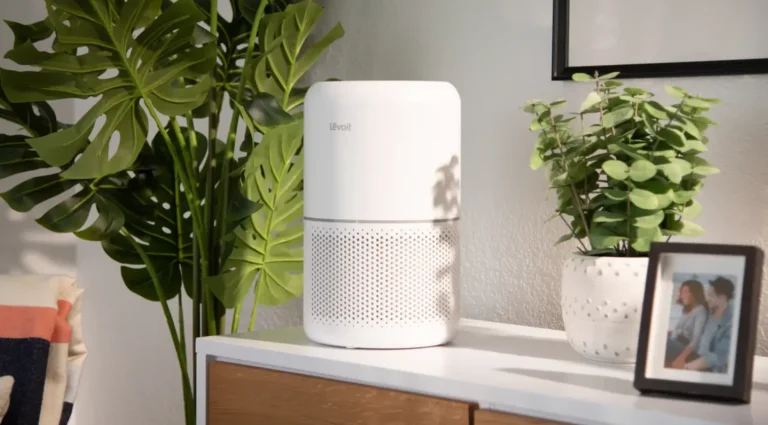
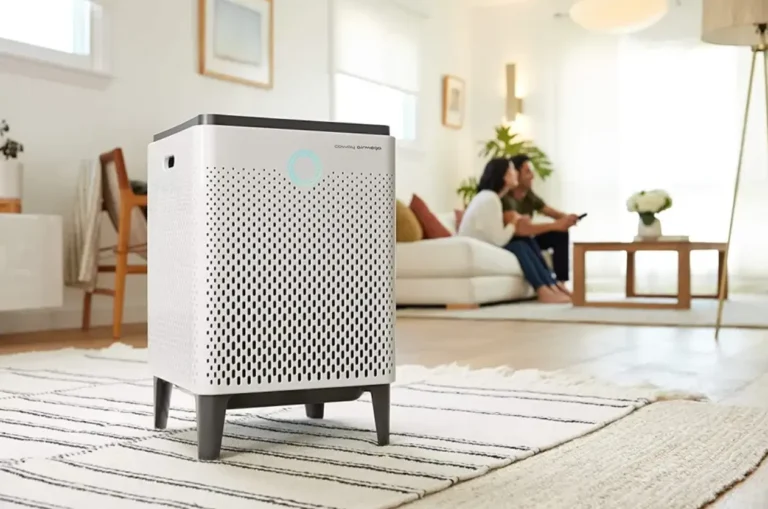
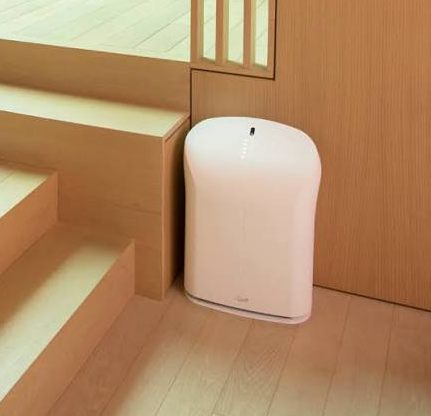
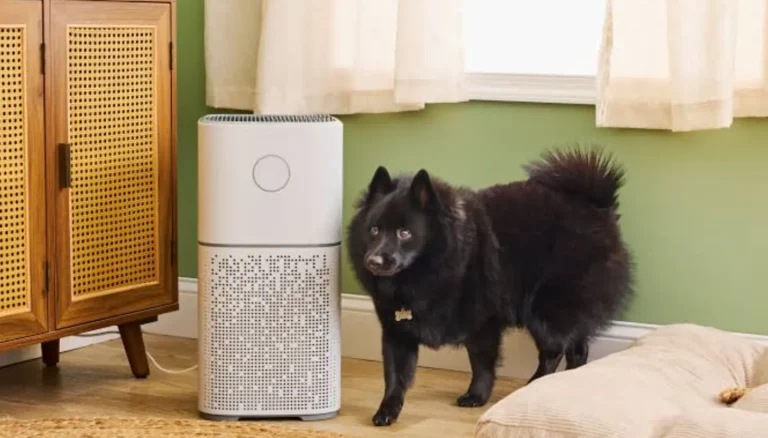
My first instinct was the same one most people have: buy an air purifier and let it handle the problem. It seemed logical. Mold spores float through the air, purifiers clean the air, so surely that would solve it, right?
Turns out, the answer is more complicated than a simple yes or no. In my experience researching and testing this, an air purifier can genuinely help with mold, but only if you understand exactly what it can and can’t do. Get that wrong, and you might end up thinking your mold problem is solved when it’s actually just hiding.
Let me walk you through what I learned.
Read More: Best Air Purifier for Wildfire Smoke
What Air Purifiers Actually Do to Mold
Before I go further, it helps to understand what mold actually is and how it spreads. Mold reproduces by releasing tiny spores into the air. These spores are so small and lightweight that they can float around a room for hours, settling wherever there’s moisture, warmth, and something organic to feed on — drywall, wood, fabric, even dust.
Here’s the part that surprised me: a good air purifier, specifically one with a True HEPA filter, is genuinely effective at capturing those airborne spores. HEPA filters are rated to trap particles as small as 0.3 microns, and mold spores typically range from 2 to 10 microns, so they’re well within a HEPA filter’s capture range.
That means a purifier running in a room with an active mold issue will:
- Pull mold spores out of the air before you breathe them in
- Reduce how far spores travel to other parts of your home
- Lower overall spore concentration, which can ease allergy and respiratory symptoms
- Help control musty odors, especially if the filter includes activated carbon
That’s genuinely useful. But here’s the catch I didn’t fully appreciate at first.
What an Air Purifier Cannot Do
An air purifier only cleans the air passing through it. It has zero effect on mold that’s already growing on a surface. Those black specks on my bathroom grout weren’t going anywhere just because I had a purifier running nearby.
Mold needs to be physically removed and the moisture source needs to be fixed. No amount of filtration changes that. I think of it this way now: an air purifier manages the symptom, not the source.
A few things worth keeping in mind:
- Purifiers don’t stop mold from growing. If you have a damp bathroom, a leaking pipe, or poor ventilation, mold will keep reproducing regardless of what’s happening in the air.
- Surface mold needs direct cleaning. This usually means scrubbing with the right cleaning solution, or in serious cases, professional remediation.
- The root cause is almost always moisture. Fix the humidity or the leak, and you remove the reason mold exists in the first place.
Once I understood this, my whole approach changed. I stopped thinking of the purifier as “the fix” and started thinking of it as one part of a bigger plan.
My Experience Using a Purifier Alongside Mold Cleanup
After I scrubbed the visible mold in my bathroom with a mold-specific cleaner and fixed a small ventilation issue that was trapping humidity, I kept a HEPA air purifier running in that room for a few weeks. Here’s what I noticed:
- The musty smell faded faster than it had after previous cleanings alone
- I didn’t see mold return in that spot, even during a particularly humid month
- My allergy symptoms, which used to flare up every time I showered, noticeably improved
Was that purely the purifier? Honestly, no. It was the combination of removing the mold, fixing the moisture problem, and then using the purifier to catch any lingering spores in the air while everything settled. Skip any one of those steps, and the results would have been different.
What to Look for in a Purifier If Mold Is a Concern
If you’re dealing with a mold-prone space — a bathroom, basement, or laundry room — not every purifier is equally useful. Based on what I’ve learned, here’s what actually matters:
- True HEPA filtration. Look for this specifically, not the vague “HEPA-type” or “HEPA-like” wording some brands use, since those often don’t meet the same filtration standard.
- Activated carbon layer. This helps with the musty odor that often lingers even after visible mold is gone.
- Appropriate room coverage. Check the manufacturer’s recommended square footage and make sure it matches or exceeds your room size.
- A sealed system. Some cheaper purifiers leak air around the filter edges, which lets spores bypass filtration entirely.
Practical Steps If You Suspect Mold in Your Home
If you’re in the same position I was, here’s the order I’d actually follow:
- Find and fix the moisture source. Check for leaks, poor ventilation, or high humidity. A simple hygrometer can tell you if a room is sitting above the 50% humidity mark where mold thrives.
- Clean visible mold directly. Small areas can often be handled with a proper mold-cleaning solution and good ventilation while you work. Larger infestations, especially anything covering more than a few square feet, are worth calling in a professional for.
- Run a HEPA air purifier in the affected room. This helps catch airborne spores during and after cleanup, especially while the area is still drying out.
- Improve ventilation going forward. Exhaust fans, dehumidifiers, and simply cracking a window after showers can prevent the problem from coming back.
- Monitor the area. Keep an eye on previously affected spots for a few weeks. If the smell or spots return, the underlying moisture issue likely hasn’t been fully resolved.
The Honest Takeaway
So, can an air purifier help with mold? Yes, but it’s a support tool, not a solution on its own. It’s genuinely good at capturing airborne spores, easing symptoms, and helping control odor, but it can’t remove mold that’s already growing, and it won’t stop new mold from forming if moisture is still a problem.
In my experience, the households that actually solve their mold issues are the ones that treat it as a two-part job: fix the moisture, clean the mold, and then let a good purifier do its part in keeping the air clean while everything else gets sorted out. Skip the first two steps, and even the best purifier on the market is just filtering air in a room that’s going to keep producing more spores anyway.
If you’re dealing with a musty smell or visible spots right now, don’t wait. The sooner you find the moisture source and deal with it directly, the less work you’ll have down the line — and the more your air purifier can actually do the job you bought it for.