
Affiliate Disclosure: I may earn a small commission from qualifying purchases made through links on this page, at no extra cost to you. I only recommend products I’ve researched thoroughly and believe will genuinely help.
My eyes used to itch the second I walked into my own living room. I love my dog, but I didn’t love waking up congested every morning because of the dander drifting through my air. Once I actually understood what separates a real allergy-fighting air purifier from a glorified fan with a filter sticker on it, everything changed — and I want to walk you through exactly what I learned.
Quick answer: If you’re short on time, here’s the gist. The purifiers that actually help with pet allergies pair a True HEPA filter (to physically trap dander and pollen) with an activated carbon layer (to pull out the lingering pet smell HEPA alone can’t touch). Based on my research, three models consistently rise to the top for this: the Coway Airmega Mighty AP-1512HH for all-around performance, the Winix 5500-2 if you want strong results without the premium price, and the Levoit Core 300-P if you just need something compact for a bedroom.
Here’s my full breakdown of why each one earned its spot, plus what I’d actually check before you buy.
Read More: Best Air Purifier for Dorm Room
My Top Picks for Pet Allergy Relief
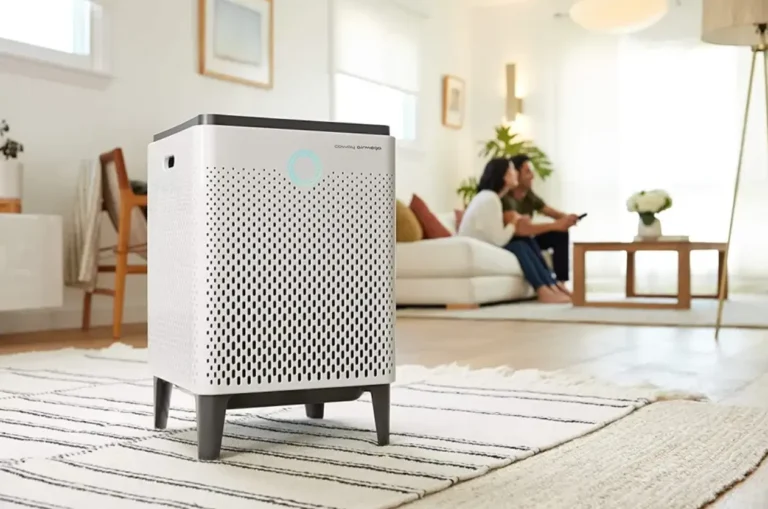
Best Overall: Coway Airmega Mighty AP-1512HH
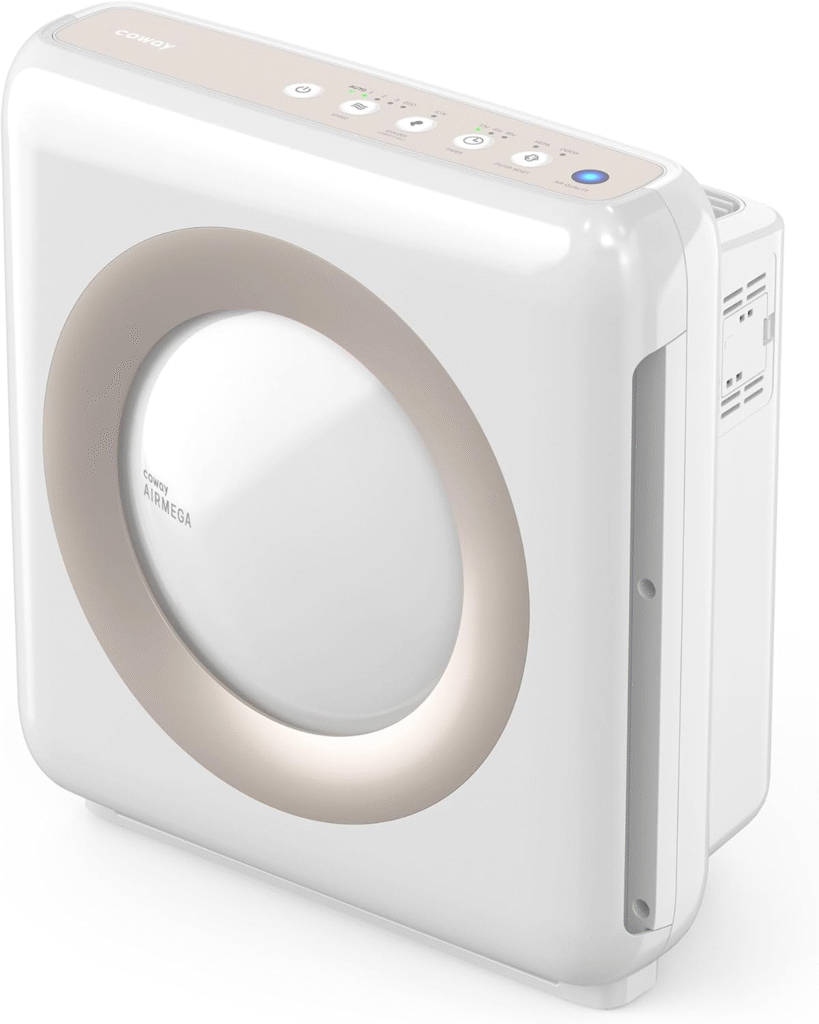
This is the one I’d point a first-time buyer toward without hesitation. It’s built for rooms up to about 361 square feet, and in my research it comes up again and again for how effectively it clears pet dander from the air. I appreciate that it runs in auto mode, so it ramps up when it senses more particles in the room (say, right after your dog shakes off) and quiets back down once the air clears. It also has an energy-saving mode that shuts the unit off automatically when the room’s been empty for a while, which keeps your electric bill from creeping up. Expect to pay somewhere around $170 to $230.
Best Value: Winix 5500-2
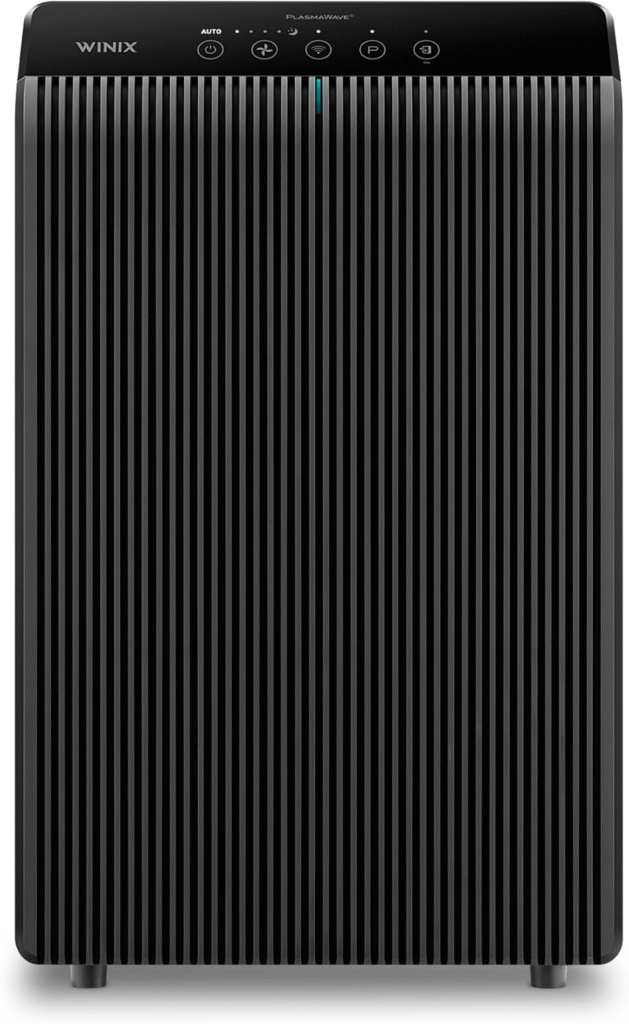
If you want strong allergy relief without spending Coway money, this is where I’d look next. It comes with washable pre-filters, so you’re not constantly buying replacements just to deal with fur buildup, and its carbon filter is genuinely useful for trapping the musty odors that tend to hang around litter boxes and dog beds. What really stands out to me is how quiet it runs — I wouldn’t hesitate to put this in a home office or a shared living space. It typically runs $150 to $180 and covers rooms up to roughly 392 square feet.
Best for Bedrooms: Levoit Core 300-P
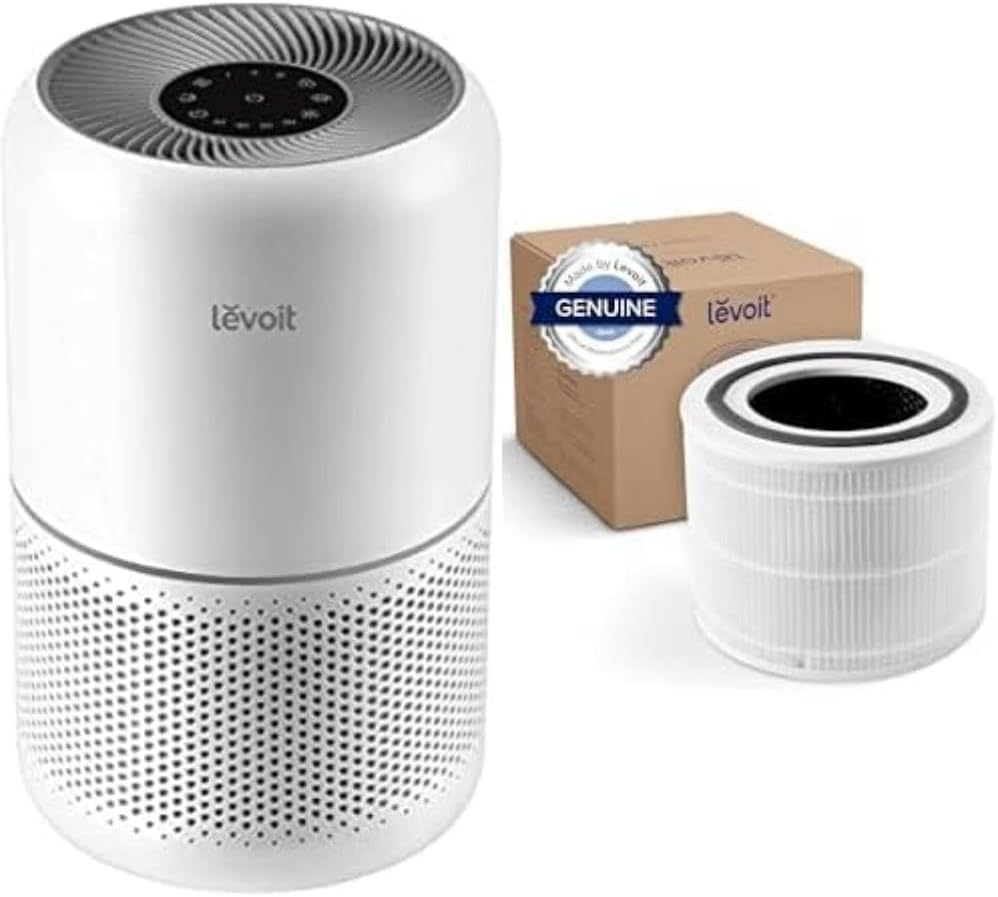
For a smaller space, I’d go with this one. It’s compact enough to tuck into a corner without eating up floor space, and it still uses an H13 True HEPA filter capable of capturing 99.97% of airborne particles as small as 0.3 microns — which covers the vast majority of pet dander and pollen you’d be dealing with. It also has a genuinely silent sleep mode, so it won’t be the reason you’re lying awake at 2 a.m. At around $90, it’s the easiest entry point if you’re just testing whether an air purifier makes a difference for you.
What I Look For Before Buying Any Purifier
Not every air purifier marketed toward pet owners actually holds up. Here’s my personal checklist.
True HEPA, not just “HEPA-type.” Manufacturers throw around a lot of vague filtration language, but the phrase to look for is specifically “True HEPA.” That designation means the filter is verified to capture 99.97% of particles down to 0.3 microns — which is exactly the size range where pet dander, pollen, and dust mite debris tend to fall. A “HEPA-type” or “HEPA-like” filter usually doesn’t meet that standard, so I skip anything that isn’t explicit about it.
Activated carbon for the smell HEPA can’t catch. HEPA filters are built to trap physical particles, not odor molecules, which are technically gases. That’s where an activated carbon layer comes in — it adsorbs the smells that stick around after a bath, a rainy walk, or a few days near the litter box. If a purifier skips this layer entirely, I’d think twice, especially in a multi-pet household.
A washable pre-filter that actually earns its keep. This is the first line of defense against pet hair, and it matters more than people expect. A pre-filter that catches loose fur before it reaches your HEPA filter means that expensive main filter lasts noticeably longer, and you’re not replacing it every few months just because it got clogged with fur.
Enough air changes per hour (ACH) for your actual room. This is the spec I check last but weigh heavily. You want a unit that can cycle the air in your room at least four times an hour — anything less and the purifier is essentially playing catch-up with your pet’s shedding and dander rather than staying ahead of it. Match the unit’s coverage rating to your room size, not the biggest number on the box.
Frequently Asked Questions
Do I need a HEPA filter specifically for pet allergies, or will any air purifier work? You really do want True HEPA specifically. Standard filters or ionizer-only units aren’t rated to capture the tiny particle sizes that pet dander falls into, so you won’t get meaningful allergy relief without one.
How often should I replace the filters in a pet-owner household? Most True HEPA filters last 6 to 12 months under normal conditions, but with pets in the house, I’d check mine closer to the 6-month mark, since fur and dander build up faster than in a pet-free home.
Can an air purifier fully eliminate my pet allergies? No single device will erase allergies entirely — regular vacuuming, washing pet bedding, and grooming your pet still matter. But a properly sized HEPA purifier can meaningfully cut down the airborne dander that triggers symptoms in the first place.
Where should I place the purifier for the best results? I’d put it in the room where you and your pet spend the most time, ideally a few feet from the wall so air can circulate freely around it, rather than tucked into a closed-off corner.